How to Choose a Modified Polyamide Compounds Manufacturer for High Performance Injection Molding
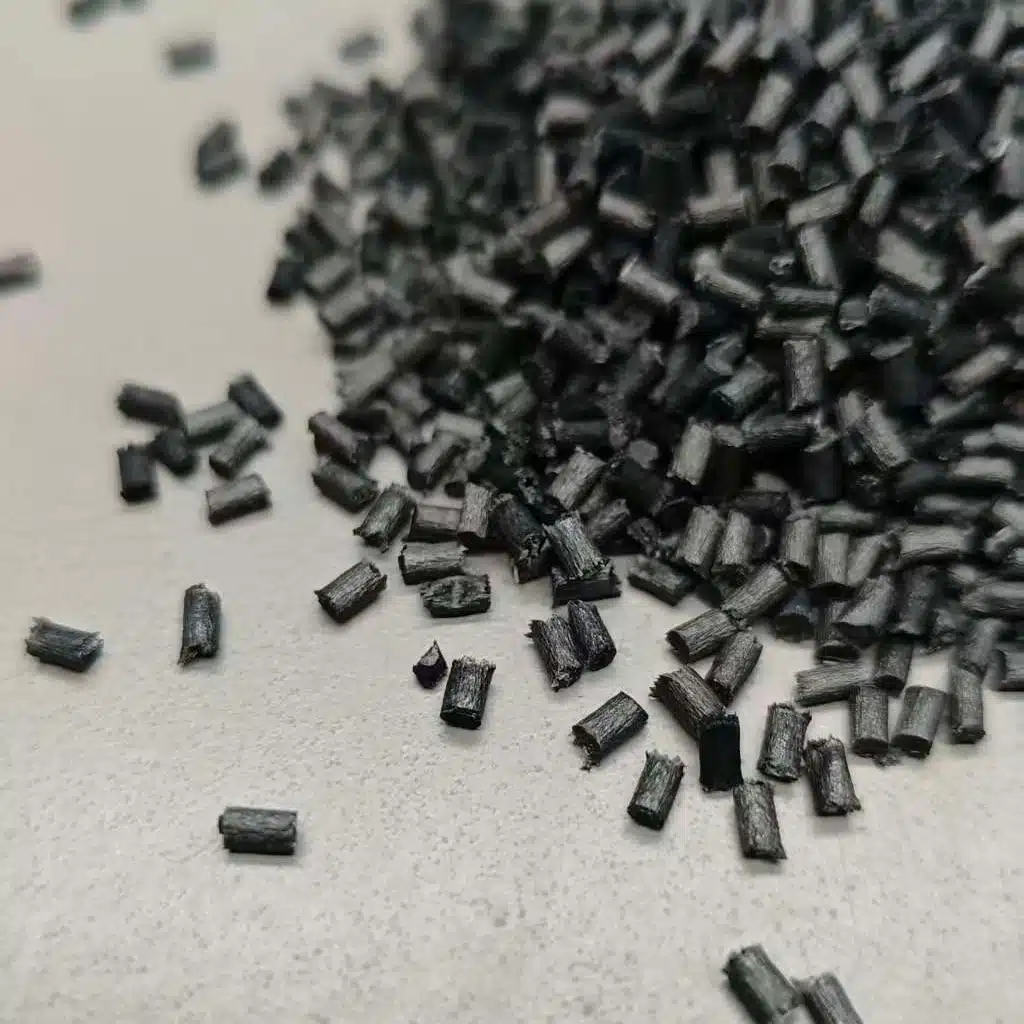
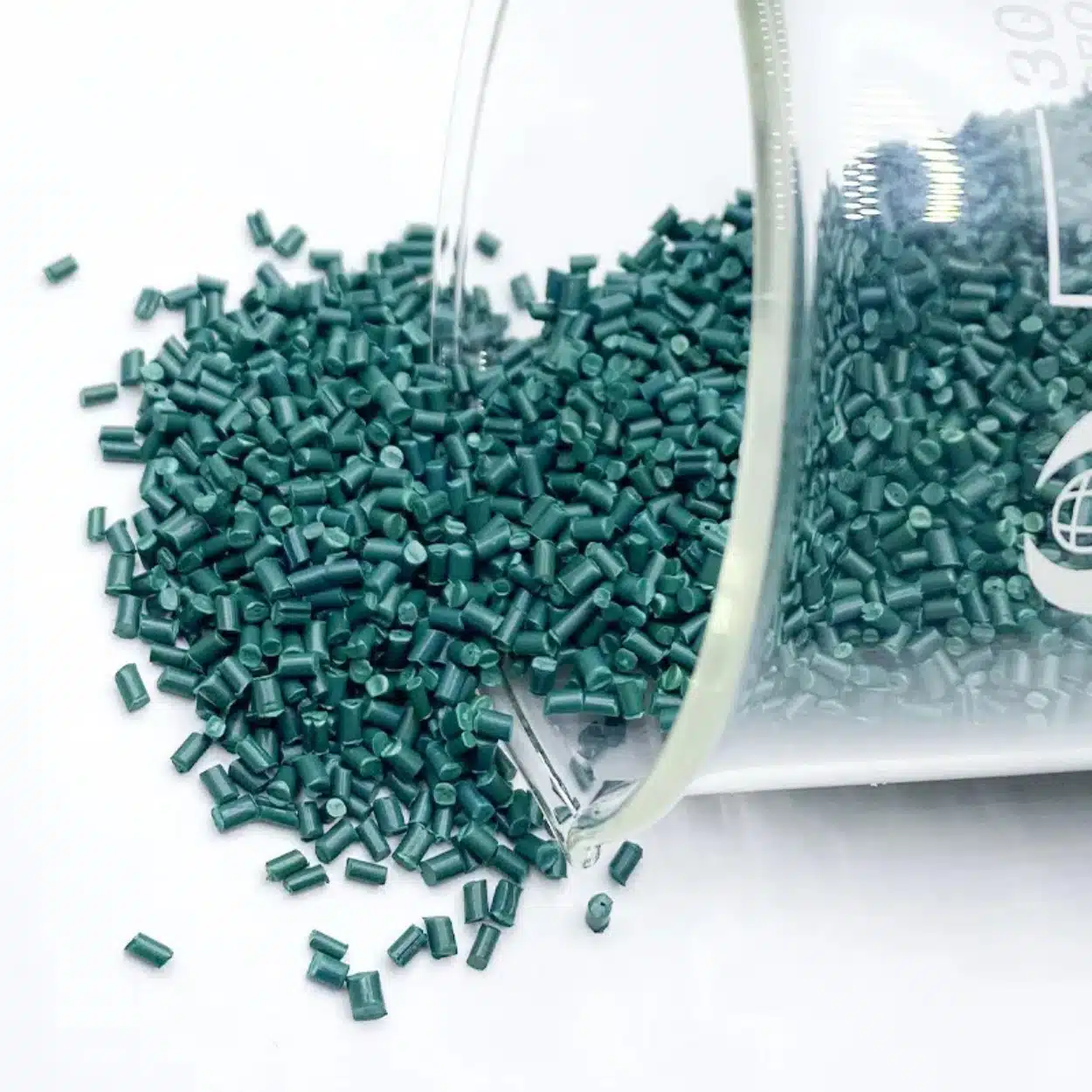
A modified polyamide compounds manufacturer blends PA6, PA66, PA12, PPA, and PP base resins with glass fiber, carbon fiber, PTFE, flame retardant additives, or impact modifiers to create injection molding pellets with controlled tensile strength, heat deflection temperature, chemical resistance, and surface quality. Buyers in automotive, medical device, and industrial equipment programs usually need more than an off-the-shelf nylon grade; they need a compound matched to a specific tool, load case, and approval path.
We are that kind of supplier. As a modified polyamide compounds manufacturer, we run compounding lines for reinforced PA66, toughened PA6, flame retardant nylon, PPS GF40, PPA CF40, and PA6T series materials. The factory operates under IATF 16949, ISO 9001, ISO 14001, and ISO 45001 certification, so material traceability and process control are part of the standard workflow rather than an optional upgrade.
Material selection starts with failure mode. If a part is cracking because of impact, a glass-filled grade may not be the right answer; a toughened compound can absorb more energy before yield. If a part is distorting under heat, a higher-HDT grade such as PA66 GF35 or PA6T GF35 becomes the better candidate. If a bearing surface is wearing, PTFE-filled PA66 can reduce friction without requiring an external lubricant.
That practical distinction is why custom compounding matters. A compounder can adjust reinforcement type, loading percentage, impact modification, flame retardant package, UV stabilization, and color in one production lot, then verify the result on the same injection molding machine parameters the buyer will use.
What Modified Polyamide Compounding Changes in the Finished Part
Modified nylon is not a single material. It is a family of engineering plastics built around a polyamide backbone but altered for a performance target. When we add 30% glass fiber to PA6, tensile strength and flexural modulus rise substantially, but elongation at break drops. When we use an impact modifier with PA66, toughness improves while tensile strength may stay in the same range or decrease slightly depending on the formulation.
The factory’s product range shows how the modification route connects to application requirements:
- PA6 Glass Filled grades provide stiffness and thermal stability for structural industrial parts.
- PA66 glass filled grades push heat deflection temperature and rigidity above standard PA66.
- Toughened PA6 and toughened PA66 grades resist impact, vibration, and assembly stress.
- PTFE-filled PA66 adds dry lubrication and wear resistance for bushings and precision sliding parts.
- PA6T and PPA compounds handle high-temperature environments where standard PA66 is marginal.
- Flame retardant nylon meets UL 94 V0 requirements for electrical and battery-adjacent components.
Each filler changes processing behavior too. Glass fiber increases melt viscosity, so gate size, venting, and mold temperature may need to be adjusted. Carbon fiber adds stiffness but reduces electrical insulation. PTFE lowers friction but can affect paint adhesion and bonding. These trade-offs are why material selection should be a joint exercise between the buyer’s design team and the compounder’s application engineers.
Material Grades and Specification Benchmarks
The table below uses published data from our product pages to show how modified polyamide grades compare. These are typical values from controlled production runs, not theoretical ceilings.
| Grade | Reinforcement or Filler | Tensile Strength | Flexural Modulus | Heat Deflection Temperature | Typical Use |
|---|---|---|---|---|---|
| PA6 GF30 UV | 30% glass fiber, UV stabilized | 160 MPa | 8000 MPa | 200°C | Outdoor structural parts, weather-exposed housings |
| PA66 GF35 | 35% glass fiber | 180 MPa | 8500 MPa | 240°C | High-rigidity brackets, engine-area components |
| PA66 PTFE | 15% PTFE | 85–165 MPa | — | 250°C | Dry-lubricated bushings, wear rings |
| PA6T GF35 | 35% glass fiber | 190 MPa | — | 285°C | High-heat automotive and electronic components |
| PPS GF40 | 40% glass fiber | 170 MPa | — | 260°C | Precision bearings, chemical-exposed brackets |
The dashes in the table are intentional. We publish what we control and measure. Where a datasheet does not list a flexural modulus value on the product page, we prefer to confirm it for a specific production lot instead of guessing. That discipline matters because material approval often starts with a vendor questionnaire, not a final part test.
How to Compare PA6 and PA66 for Load-Bearing Parts
A common buyer question is whether to start with PA6 or PA66. Both are polyamides, but they differ in heat resistance, moisture absorption, and mechanical performance. PA66 generally offers higher tensile strength and heat deflection temperature than PA6 at a similar glass fiber loading. The trade-off is usually price and sometimes processability; PA6 can flow more easily in thin-wall tools.
Our PA6 glass filled product family spans GF15, GF30, and GF50. The GF30 UV version reaches 160 MPa tensile strength and 200°C HDT. A PA66 GF35 grade reaches 180 MPa and 240°C HDT with slightly higher glass loading. That gap is not dramatic in every application, but it becomes important when a part sits near an engine, turbocharger, or industrial motor. Choosing PA6 to save cost can be correct if the thermal envelope is low; choosing PA66 is usually the safer route when heat deflection and long-term stiffness control the design.
For parts that must survive repeated flexing, snap-fit assembly, or cold-temperature impact, a PA6 Toughened grade can be a better starting point than a standard glass-filled compound because it trades some stiffness for a large gain in elongation and crack resistance.