PA66 PTFE (Self-Lubricating Nylon 66)

Table of Contents

PA66 PTFE is a premium polyamide 66 modified with PTFE for superior dry lubrication. This material is designed to meet the high-performance requirements of PA66 GF30 PTFE 15. It combines mechanical strength with a very low friction coefficient of 0.10. The reinforcement ensures high stiffness and HDT up to 250 C. It is a perfect solution for Bosch-style precision gears and automotive bushings. It prevents surface wear and ensures smooth movement without the need for external grease. Ideal for drive shafts, sunroof sliders, and chassis guide blocks.

Self-Lubricating Engineering Plastic

PA66 PTFE – Self-Lubricating & Wear-Resistant Nylon 66

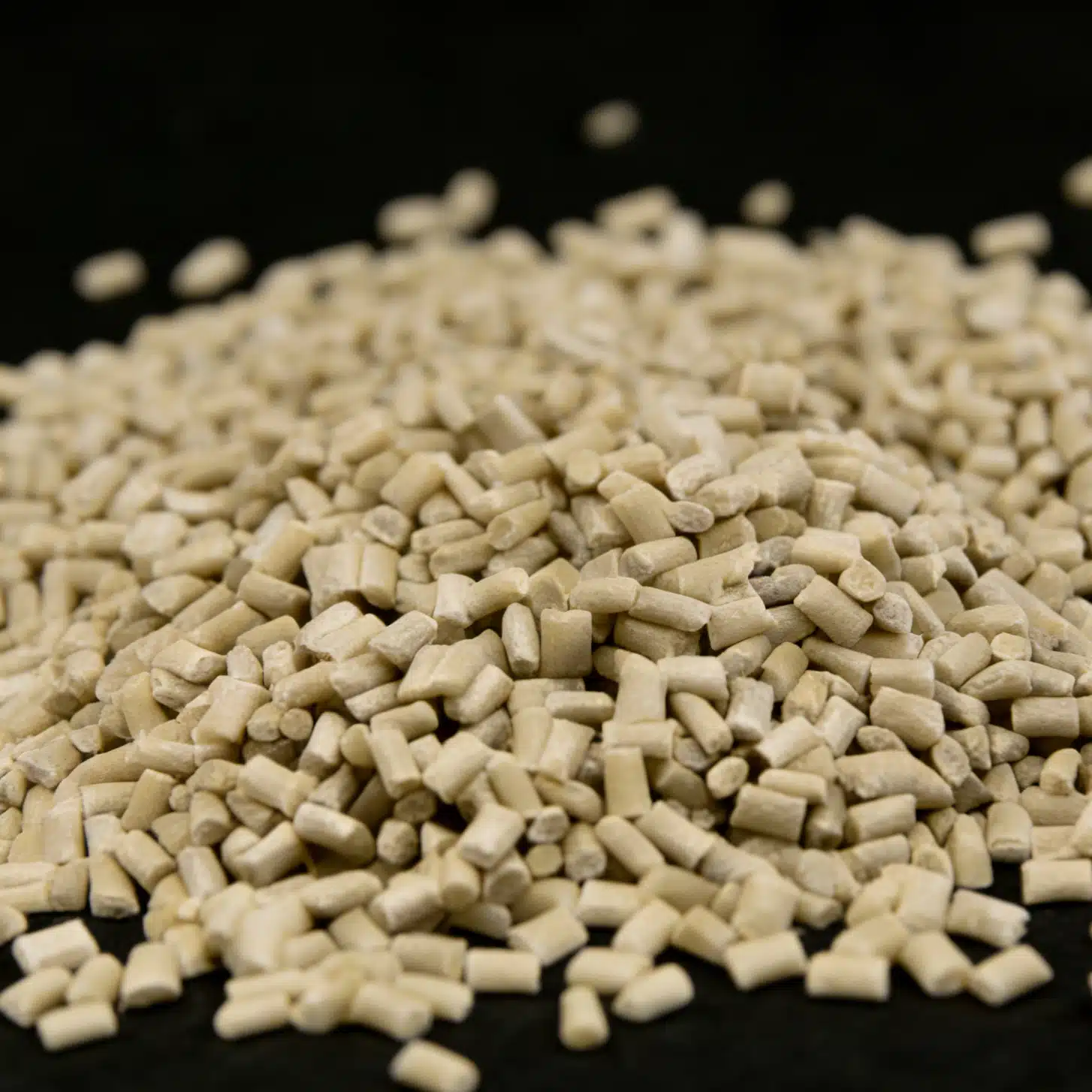
PA66 PTFE is a polytetrafluoroethylene (PTFE) modified Nylon 66 compound developed for injection-molded components requiring low friction, improved sliding performance and wear resistance. By incorporating PTFE into the PA66 matrix, this self-lubricating nylon provides a material solution for moving parts that need reduced friction and reliable performance under repeated contact.

Our PA66 PTFE compounds are available for different application requirements, including lubricated PA66 and reinforced PA66 GF30 PTFE15 formulations. The reinforced grade combines 30% glass fiber with 15% PTFE to balance mechanical stiffness, structural strength and sliding performance.

These PTFE filled nylon compounds are suitable for evaluating automotive bushings, stabilizer bar guide blocks, sunroof sliders, gears and industrial sliding components. We provide material selection and customized formulation support according to load, friction, wear and injection molding requirements.

PA66 PTFE Product Highlights
  • PTFE modified Nylon 66 matrix
  • Self-lubricating and low-friction characteristics
  • Improved sliding and wear performance
  • PA66 GF30 PTFE15 reinforced formulation available
  • Natural, white and black color options
  • Injection molding pellet form
  • Suitable for automotive and industrial mechanical components
Request PA66 PTFE TDS Get a Product Quote

Key Features & Material Advantages

FACTS

PA66 PTFE
Color: Natural, White, Black available

MAIN FEATURES

Superior Dry Lubrication
High Wear Resistance
Excellent Mechanical Strength
Low Friction Coefficient
Dimensional Stability

INDUSTRIES

Automotive Drive Systems
Chassis and Suspension
Passenger Car Interiors
Industrial Power Transmission
Precision Electronics (Bosch-style)

Technical Performance

PA66 PTFE Mechanical, Thermal & Tribological Properties

The technical evaluation of PA66 PTFE should cover mechanical strength, thermal performance, friction behavior and wear resistance. These properties help determine whether a particular formulation is suitable for bushings, sliding elements and mechanical assemblies.

Currently Listed Product Data

Property Unit Published Product Information
PTFE Content%15% for the GF30 PTFE15 formulation
Glass Fiber Content%30% for the GF30 PTFE15 formulation
Tensile StrengthMPa85–165
HDT°CUp to 250
Friction Coefficient—0.10

Additional Technical Properties for Evaluation

Property Test Standard Engineering Purpose
Tensile ModulusISO 527Evaluate material stiffness
Flexural StrengthISO 178Assess bending resistance
Flexural ModulusISO 178Evaluate structural rigidity
Notched Impact StrengthISO 179 / ISO 180Assess impact resistance
DensityISO 1183Calculate component weight
Melting TemperatureISO 11357Evaluate thermal characteristics
HDTISO 75Assess heat deflection under load
Molding ShrinkageISO 294-4Support mold design
Coefficient of FrictionApplicable tribological test methodEvaluate sliding behavior
Specific Wear RateApplicable tribological test methodAssess material wear under defined conditions
Tribological Testing Considerations
  • Contact pressure and sliding velocity.
  • Counterface material and surface roughness.
  • Operating temperature.
  • Dry-running or lubricated conditions.
  • Test duration and specimen geometry.
For accurate comparison, friction and wear results should be provided with their corresponding test conditions. A coefficient of 0.10 should not be compared directly with competitor values obtained under different PV conditions or testing standards.
Material Selection

PA66 PTFE vs. PA66 GF30 PTFE15: Which Formulation Should You Choose?

PA66 PTFE and PA66 GF30 PTFE15 share the same PA66 base polymer and PTFE lubrication modification, but their reinforcement structures differ. The main selection consideration is whether the component requires primarily sliding performance or a combination of lubrication and structural stiffness.

Selection Factor PA66 PTFE PA66 GF30 PTFE15
Base PolymerPA66PA66
PTFE ModificationGrade-dependent15% PTFE
Glass FiberGrade-dependent30% GF
Main PurposeFriction and wear modificationFriction modification plus reinforcement
Structural RigidityDepends on formulationIncreased through glass fiber reinforcement
Sliding PerformancePTFE-modifiedPTFE-modified
Typical ComponentSliding elements, bushingsReinforced bushings, guide blocks
Selection PrioritySliding behavior and material compatibilitySliding behavior combined with load-bearing requirements

When to Choose PA66 PTFE

  • Components primarily requiring reduced friction.
  • Sliding parts with limited structural reinforcement requirements.
  • Bushings and mechanical contact components.
  • Applications where material flexibility and sliding performance need to be balanced.

When to Choose PA66 GF30 PTFE15

  • Components requiring both mechanical rigidity and sliding performance.
  • Automotive guide blocks and reinforced bushings.
  • Mechanical parts exposed to continuous contact and structural loads.
  • Molded components requiring additional stiffness from glass fiber reinforcement.
Glass fiber reinforcement changes the mechanical behavior, surface characteristics and processing requirements of PA66. The highest glass fiber content is not automatically the best choice for every sliding component. Final selection should consider friction, wear, contact pressure, dimensional tolerance and the mating surface.

Industrial Application Cases

PA66 PTFE universal joint bushing for drive shaft load damping and lubrication

PA66 GF30 PTFE 15 Self-Lubricating Nylon for Universal Joint Bushings

PA66 GF30 PTFE 15 is a high-performance nylon reinforced with 30 percent glass fiber and 15 percent PTFE. It is a core part of the automotive drive shaft system. This material ensures 98 percent transmission efficiency. It handles heavy torque and absorbs road vibrations. The self-lubricating property extends service life from 5000km to over 20000km. It provides an excellent seal against dust and moisture. This grade replaces metal bushings to reduce weight and maintenance. Processing: Injection mold at 275 to 300 Celsius. Use 90 Celsius mold temperature. As a direct factory, we offer high-load solutions for drive shaft durability.

PA66 PTFE Wear-Resistant Nylon for Stabilizer Bar Guide Blocks

PA66 PTFE is a low-friction nylon for vehicle chassis anti-roll bars. It provides stable guidance and high load damping. This material lowers chassis NVH levels to below 55dB. High wear resistance prevents cracking under high-frequency stress. It keeps the bar in a precise position during fast cornering. The PTFE modification reduces wear on metal stabilizer bars by 30 to 50 percent. PA66 PTFE maintains its shape and strength under constant mechanical loads. Processing: Pre-dry for 4 hours at 90 Celsius. Set mold at 80 to 100 Celsius. Our factory supplies self-lubricating nylon for automotive chassis safety.

PA66 PTFE 15 chassis stabilizer block for automotive NVH performance reduction
PA66 GF30 PTFE 15 sunroof slide block for smooth operation and weather resistance

PA66 PTFE Low-Friction Nylon for Sunroof Slide Blocks

PA66 PTFE is a core material for car sunroof sliding systems. It supports heavy glass weight and reduces friction against the rails. This material ensures smooth opening without sticking or jumping. It lowers sunroof motor energy use by 15 percent. Operation noise is strictly controlled below 40dB. It withstands extreme car roof temperatures from minus 40 to 80 Celsius. The material resists corrosion from rain and salt spray for a long life cycle. PA66 PTFE ensures a premium user experience with every slide. Processing: Melt at 270 to 295 Celsius. Use 80 Celsius mold temperature for a smooth finish. We provide factory-direct, high-precision blocks for sunroof systems.

Custom Formulation

Custom PTFE Modified Nylon 66 Solutions

We support PA66 PTFE material selection and customized formulation discussions according to component design, friction requirements and mechanical performance targets.

Customization can be evaluated across the following areas:

Customization Area Available Direction
PTFE ContentFormulation adjustment according to sliding and wear requirements
Glass Fiber ContentReinforcement options according to structural requirements
ColorNatural, White, Black and Custom Colors
Mechanical PropertiesBalance between stiffness, strength and impact performance
Lubrication PerformanceFormulation evaluation for friction and wear requirements
Heat StabilizationGrade selection according to operating temperature
Processing PropertiesFlow and injection molding behavior adjustment

Information Required for Customization

  • Current PA66 or PA66 PTFE material grade.
  • Required PTFE and glass fiber content.
  • Component drawings or photographs.
  • Contact pressure and sliding speed.
  • Operating temperature and working environment.
  • Counterface material and surface condition.
  • Expected monthly consumption.

Share your component specifications and target performance requirements so our team can evaluate suitable PTFE modified nylon formulations.

Discuss Your Custom Requirements

Frequently Asked Question

Frequently asked questions about Engineered Polyamide Compound manufacturing

  • We offer free samples under 5KG for general grade products, with freight collected.
  • Sample payment options include T/T, PayPal, or Trade Assurance.
  • Samples are typically dispatched within 3 days after confirmation.
  • Full technical support is provided during the sample testing process.
  • Shipping can be arranged through your courier or ours, with options such as SF, TNT, UPS, FedEx, DHL, and others.
  • The sample fee is refundable when an official order is placed later.

Our preferred payment methods are T/T. However, we are open to discussing L/C, Paypal upon request.

Yes, we conduct 100% testing on all goods prior to delivery.

  • We offer standard packaging in 25 kg bags or large bags ranging from 800 kg to 1250 kg.
  • Custom packaging solutions are available to meet your specific requirements.

Engineered polyamide compounds are used in various industries such as automotive parts, electrical components, consumer goods, and industrial machinery. They are commonly found in gears, bearings, electrical housings, and under-the-hood automotive components due to their durability and resistance to heat and chemicals.

Standard delivery time is 7-14 days if the item is in stock. If not, it may take 15-20 days to arrange shipment.

Yes, we can match material colors based on your specified Pantone or RAL number.

Related Products

Scroll to Top

Get a Quote

We will reply to you in 20 minutes.

Talk to our boss

Didn’t find what you want, ask our leader for help directly!