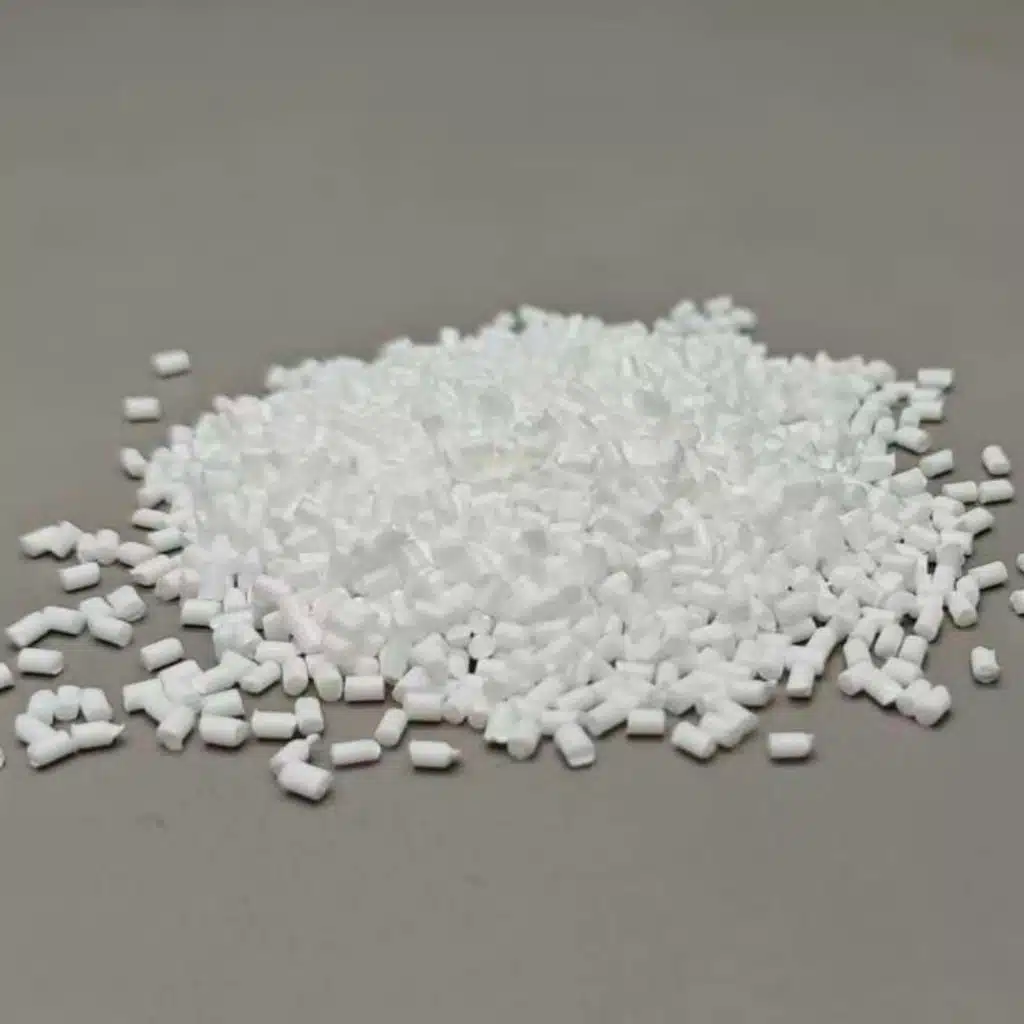
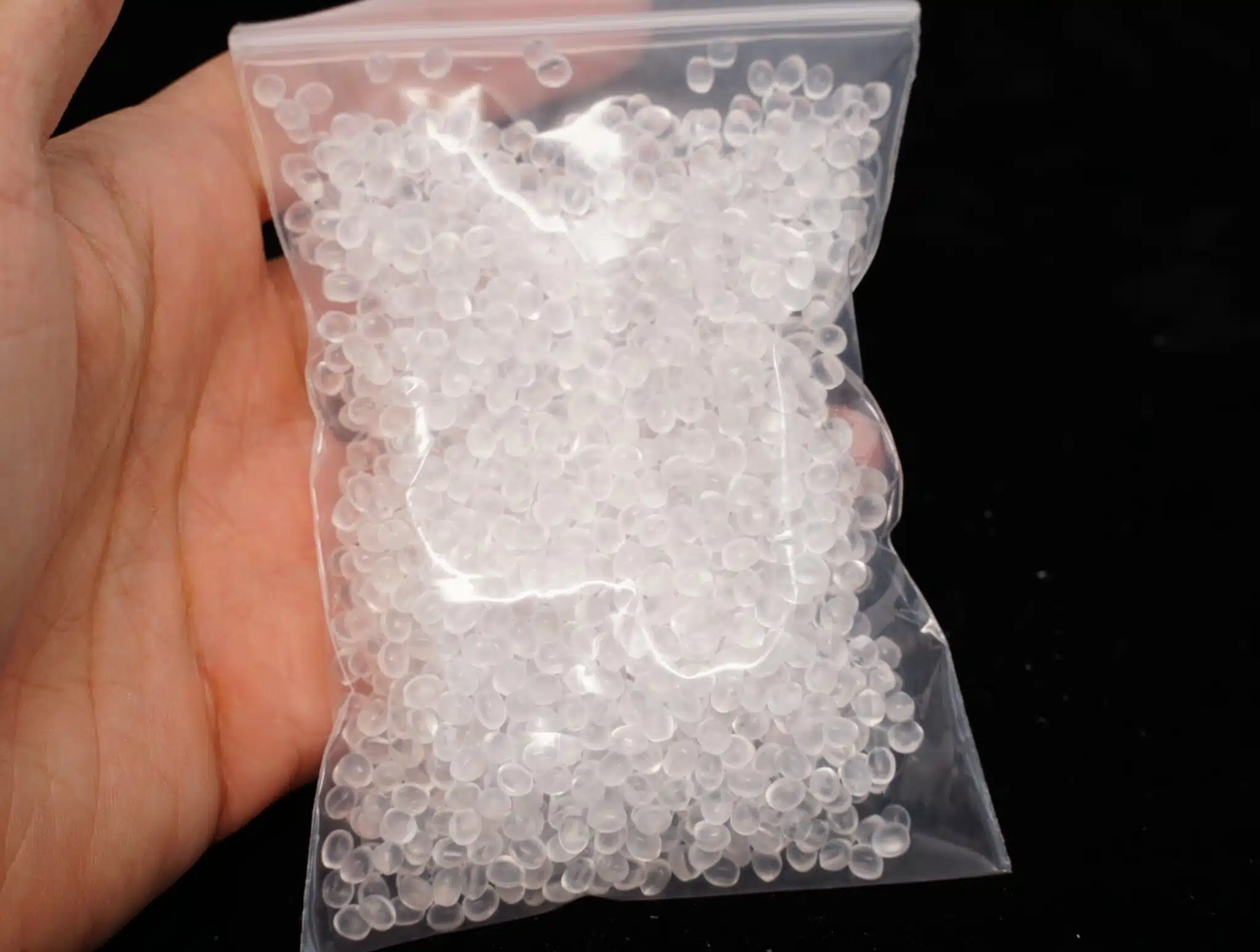
PA6 and PA66 are the top two leading nylon grades for engineering plastics, and they share nylon’s core advantages: excellent mechanical performance and broad applicability. Yet minor structural variations result in clear gaps in three critical metrics—performance, processability, and cost efficiency.
Material selection is by no means a perfunctory process. On the contrary, it serves as a foundational step that underpins product performance optimization, production cost reduction, and market competitiveness enhancement. In this paper, we carry out an exhaustive, objective analysis of PA6 and PA66, centering on three core pillars: key performance metrics, processing practicality, and life-cycle economics. To simplify your decision-making process, we conclude with a concise, practical selection checklist.

I. Comparison of Core Properties: Three Key Indicators Determine the Outcome
PA6 is what you get when you polymerize caprolactam. PA66 is made when adipic acid and hexamethylenediamine do a condensation reaction. They’re both polyamides, but PA6 and PA66 have tiny distinctions in crystallinity and how their molecules hold on to each other.
These tiny differences? They turn into big, measurable distinctions in three core areas: heat resistance, stiffness, and water absorption. All the data below is from pure resin tests done in a standard setting (23℃, 50%RH).
Heat Resistance (Melting Point/Heat Distortion Temperature)
- PA6: Melts between 215–220℃; when it’s dry, it can handle 150–160℃, but when wet, that drops to 130–140℃.
- PA66: Melts at 255–260℃; dry, it takes 180–190℃, and even when wet, it’s still good for 160–170℃.
Here’s the thing: PA66 totally beats PA6 in heat resistance—it’s got a melting point 40℃ higher, easy! It doesn’t degrade as fast when it’s hot and humid, so use it for parts that get toasty (like engine components). PA6 is totally fine for normal or slightly warm spots.
Rigidity and Strength (Tensile Strength/Flexural Modulus)
- PA6: Tensile strength ranges from 55–65MPa; stiffness (measured as flexural modulus) is 2.5–3.0GPa.
- PA66: Tensile strength is 70–80MPa; stiffness sits at 3.0–3.5GPa.
The lowdown: PA66’s molecules are held together more tightly, making it 15–20% stiffer and stronger than PA6. It also resists stretching out over time far better—ideal for load-bearing parts that can’t afford to bend. PA6 is a bit less strong but more flexible, which is great if you need parts with some give.
Water Absorption (24h/Equilibrium/Dimensional Change)
- PA6: Soaks up 8–9% water in just one day, and hits full saturation at 8–10% water content; this causes its size to change by 0.8–1.0%.
- PA66: Absorbs 6–7% water in a day, maxing out at 8–10% when fully saturated; its dimensional change is only 0.5–0.7%.
Pro tip: PA6 is total water magnet—it swells up and warps, which can mess up how parts fit together. PA66 is way more water-resistant, so it keeps its size stable. Go with PA66 for humid environments or parts that need super tight precision.
Toughness (Notched Impact Strength)
- PA6: 5.0–6.5kJ/m² impact resistance when dry; that number skyrockets to 15–20kJ/m² when wet.
- PA66: 4.5–6.0kJ/m² impact resistance when dry; 12–16kJ/m² when wet.
Fun fact: PA6’s molecular structure isn’t as tightly packed with crystals, so its molecular chains can move more freely. When it absorbs moisture, it becomes way tougher—perfect for parts that take a lot of knocks and can’t afford to shatter.
Supplement: Performance Changes After Modification
While pure resins differ, modification narrows or expands these gaps:
- Glass Fiber Reinforcement: Glass fiber cranks up rigidity and heat resistance for both PA6 and PA66, with PA66 outperforming clearly. For example, our PA66 Glass Filled series, including high-performance grades like PA66 30% GF and the robust PA66 GF35, achieve tensile strengths of 180–190 MPa. Meanwhile, PA6 Glass Filled compounds (like PA6 GF35) reach 150–160 MPa, suitable for general industrial use.
- Toughening Modification: PA6 demonstrates better compatibility with elastomers. After using our PA6 Toughened solutions, its impact strength is 25%–30% higher than that of PA66 Toughened grades, thus exhibiting distinct advantages in low-temperature impact resistance.
- Hydrolysis-Resistant Modification: Through formula optimization, PA66 has better resistance to humid and hot aging. For extreme durability, special blends like PA66 GF20 CF10 (Carbon Fiber reinforced) can further enhance structural integrity in harsh environments.
II. Comparison of Processing Technology: Which is "Easier to Produce"?
The processing adaptability of materials directly affects production efficiency, scrap rate, and equipment investment. PA6 and PA66 have significant differences in processing windows.

Processing Temperature
- PA6: Melting 230-260℃, mold 40-60℃ → Saves 10-15% energy, even old equipment works—total no-brainer!
- PA66: Melting 260-290℃, mold 60-80℃ → Gotta buy an extra mold temperature controller, energy costs go up.
Fluidity (MFR)
- PA6: 10-25g/10min (230℃/2.16kg) → Fills molds 20% faster, perfect for thin-walled (≤1mm) or complex parts, and cuts scrap rate by 5-8%.
- PA66: 5-15g/10min (260℃/2.16kg) → Super poor fluidity—prone to material shortage and ugly weld lines.
Processing Pain Points
- PA6: Slow crystallization, size changes after absorbing moisture → Need a chiller to speed up cooling.
- PA66: Poor fluidity, easy to degrade at high temps, high internal stress → Injection pressure needs to be 10-15% higher than PA6.
III. Comparison of Life-Cycle Cost: Short-Term vs. Long-Term?
Material selection should not only focus on the unit price of raw materials but also comprehensively consider the full-cycle cost. The two have different cost advantages in different usage scenarios.

Cost Breakdown: PA6 vs. PA66
- Raw Material Cost: PA66’s raw material costs 50%–60% more than PA6. Specialized flame-retardant nylon grades can increase this gap further.
- Processing Cost: PA66 requires higher mold temps and annealing. That pushes processing costs up 30%–40% vs. PA6—more electricity used, more labor involved.
- Usage Cost (Maintenance): PA66’s Edge: It’s tougher and resists aging better, so it lasts longer. For instance, car parts with PA66 last 2.2x longer than PA6.
Total Life-Cycle Cost: For under a year, PA6 is 25%–30% cheaper. For 2+ years, PA66’s durability makes it the cheaper pick in the end.
IV. Clear Selection Checklist: Four Steps to Lock in the Optimal Material

Step 1: Select Based on Core Performance Requirements
- Priority to PA66: Need high temperature resistance (long-term use at ≥100℃), high rigidity, or for load-bearing structural parts.
- Priority to PA6: Need high toughness, good fluidity, or sensitive to cost with mild service environment.
Step 2: Select Based on Processing Conditions
- Priority to PA6: Old equipment, thin-walled complex parts, pursuit of high production efficiency.
- Priority to PA66: Can bear high mold temperature and additional equipment investment, production of thick-walled structural parts.
Step 3: Select Based on Usage Scenarios
- Automotive: Interior parts (PA6); Engine peripherals and specialized tubing (PA66 or PA12).
- Electronic: Connector housings (PA6); Circuit breaker components (PA66). For static-sensitive environments, consider Conductive & Anti-static Nylon.
- Industrial Machinery: Light-load gears (PA6); Heavy-load gears and bearing cages (PA66).
Step 4: Select Based on Service Life
- Priority to PA6: Short-term use (≤1 year), disposable or fast-moving consumer accessories.
- Priority to PA66: Long-term use (≥2 years), high reliability requirements.
Summary
PA6's core advantages are "high cost performance + easy processing", making it suitable for scenarios sensitive to cost; PA66's core value lies in "high temperature resistance + high strength", irreplaceable in harsh environments. In the future, modification technologies will trend more towards green environmental protection, such as our recycled nylon sustainability initiatives, providing stronger material support for industrial progress.
Need a Custom Nylon Solution?
As a leading wholesale custom manufacturer, we provide high-performance PA compounds tailored to your needs. Contact our bulk factory team today for a competitive solution on PA6 and PA66 materials.