
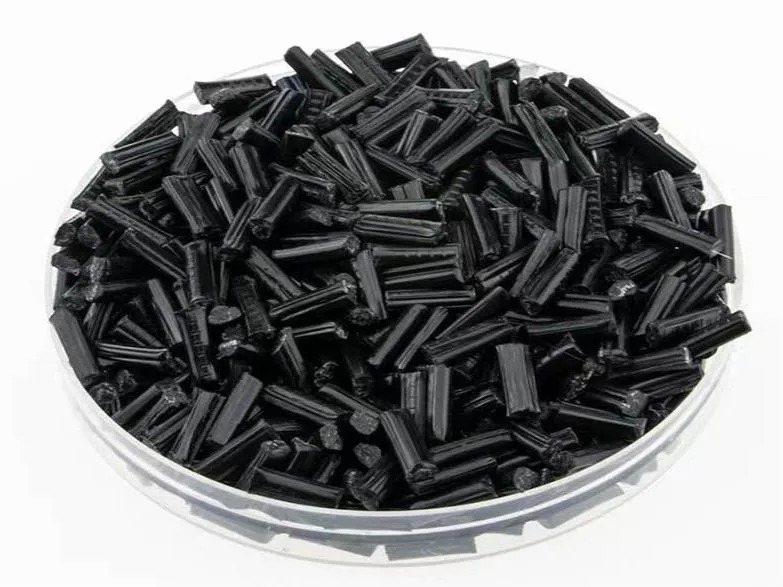
What it is
Glass Fiber Reinforced Polypropylene is a special plastic. It has glass fibers mixed into regular plastic. This makes it strong and light.

Many cars, planes, and buildings use this special plastic. It does not rust like metal. It is not as heavy as metal too.
How it is Made
To make glass fiber reinforced polypropylene, people follow these steps:
- Make thin glass fibers
- Mix the fibers with polypropylene plastic
- Heat it up
- Put it in a mold to shape it
- Let it cool down
There are different ways to shape it:
- Injection molding - push hot plastic into a mold
- Compression molding - squeeze hot plastic in a mold
- Layup - put layers of fiber and plastic together
Types of Glass Fibers
There are different kinds of glass fibers used:
| Type | What it's good for |
|---|---|
| E-Glass | Most common, good for many uses |
| S-Glass | Extra strong, used in planes |
| C-Glass | Good with chemicals |
The glass fibers can be long or short. Long glass fibers make the plastic even stronger.
Why it is Better than Other Materials
Glass fiber reinforced polypropylene is better than other materials for many reasons:
- It is lighter than metal (1.1-1.4 g/cm³ vs. 7.8 g/cm³ for steel)
- It is strong (can hold 120-250 MPa of force)
- It does not rust or break down in water
- It costs less than carbon fiber ($2.5-4.0 per kg vs. $15-30 per kg)
- It can be made into many shapes
- You can recycle it

Where it is Used
Glass fiber reinforced polypropylene is used in many places:
Cars (38% of all uses)
- Car bumpers
- Inside door panels
- Battery cases for electric cars
- Engine parts that don't get too hot
Buildings (25% of all uses)
- Pipes that don't rust
- Wall panels
- Support beams
- Roof parts
Planes (18% of all uses)
- Inside cabin walls
- Seat frames
- Parts that don't hold the plane up
Clean Energy (12% of all uses)
- Big fan blades for wind power
- Frames for solar panels
Electronics (7% of all uses)
- Cases for phones and computers
- Parts inside electronics
Check out glass filled PP products here
How Big the Market Is
The market for glass fiber reinforced polypropylene is growing fast:
- In 2024, people spent $2.62 billion on it
- By 2033, people will spend $5.19 billion on it
- That's growing 7.9% each year
Most of it is made and used in Asia (45%). North America uses 28% and Europe uses 20%.
Top Companies That Make It
These big companies make a lot of glass fiber reinforced polypropylene:
- Mitsubishi Chemical
- Mitsui Chemicals
- Lotte Chemical
- Sumitomo Chemical
- SABIC
- Modified Nylon (We are glass fiber filled PP Manufacturer in China)
They make different kinds for different uses. Some make it stronger. Some make it better for hot places.

Good Things About It
Glass fiber reinforced polypropylene has many good points:
- It is lighter than metal but still strong
- It does not rust like metal does
- It can be made into many shapes
- It costs less than carbon fiber but is still good
- You can recycle it
- It works well in hot and cold places
- It does not break easily when hit
- You don't need to paint it - the color can be mixed in
Learn more about glass reinforced polypropylene here
Not So Good Things
There are some problems with glass fiber reinforced polypropylene:
- It is not as strong as carbon fiber
- It can get weaker in very hot places
- The glass fibers can make it hard to recycle
- It costs more than regular plastic
- You need special tools to work with it
Future of Glass Fiber Reinforced Polypropylene
The future looks good for glass fiber reinforced polypropylene:
- More electric cars will use it to save weight
- More wind power farms will need it for big fan blades
- New ways to make it will make it stronger
- New types will work better in very hot places
- It will replace more metal parts in many things
- More people will use it as they try to use less metal
Explore polypropylene glass fiber composites here
What to Know When Buying It
If you want to buy glass fiber reinforced polypropylene, look at these things:
- How much glass fiber is in it (more glass = stronger)
- How long the glass fibers are (longer = stronger)
- What shape you need it in (pellets, sheets, or ready-made parts)
- If it needs to be good in hot places
- If it needs to be a certain color
- How much it costs per pound or kilogram
Summary
Glass fiber reinforced polypropylene is a special plastic that has glass fibers in it. This makes it strong but light. People use it in cars, planes, buildings, and many other things.
It costs less than carbon fiber but is better than regular plastic. The market for it is growing fast. By 2033, it will be a $5.19 billion market.
As people try to make things lighter and use less metal, glass fiber reinforced polypropylene will be used even more.
See our selection of glass filled polypropylene products
Glass fiber reinforced polypropylene is a thermoplastic composite combining polypropylene resin with glass fibers for enhanced strength and durability.
Manufacturing processes include injection molding, compression molding, and layup techniques. These processes determine the final properties of the material.
E-Glass, S-Glass, and C-Glass are the main types of glass fibers used. Fiber length significantly impacts material performance.
Compared to steel (7.8 g/cm³), GFRP has lower density (1.1-1.4 g/cm³) while maintaining good tensile strength (120-250 MPa).
Market share distribution: Automotive (38%), Construction (25%), Aerospace (18%), Renewable Energy (12%), Electronics (7%).
Market size in 2024 is $2.62 billion, projected to reach $5.19 billion by 2033, growing at a CAGR of 7.9%.
Major producers include Mitsubishi Chemical, Mitsui Chemicals, Lotte Chemical, Sumitomo Chemical, and SABIC. Key benefits include lightweight properties, corrosion resistance, design flexibility, cost-effectiveness compared to carbon fiber, and recyclability.
Limitations include lower performance in extreme heat compared to metals, recycling complexity, and higher cost than standard polypropylene.
Future applications include increased use in EVs, wind energy, and as a replacement for more metal components across industries.
When purchasing, important considerations include glass fiber content percentage, fiber length, form factor, heat resistance, and cost per unit.
Hi, I'm Ivy! My focus is on reinforced polyamides and PP – materials that deliver exceptional performance for demanding applications. I offer expertise in formulation, processing, and application development. Contact me to learn more!


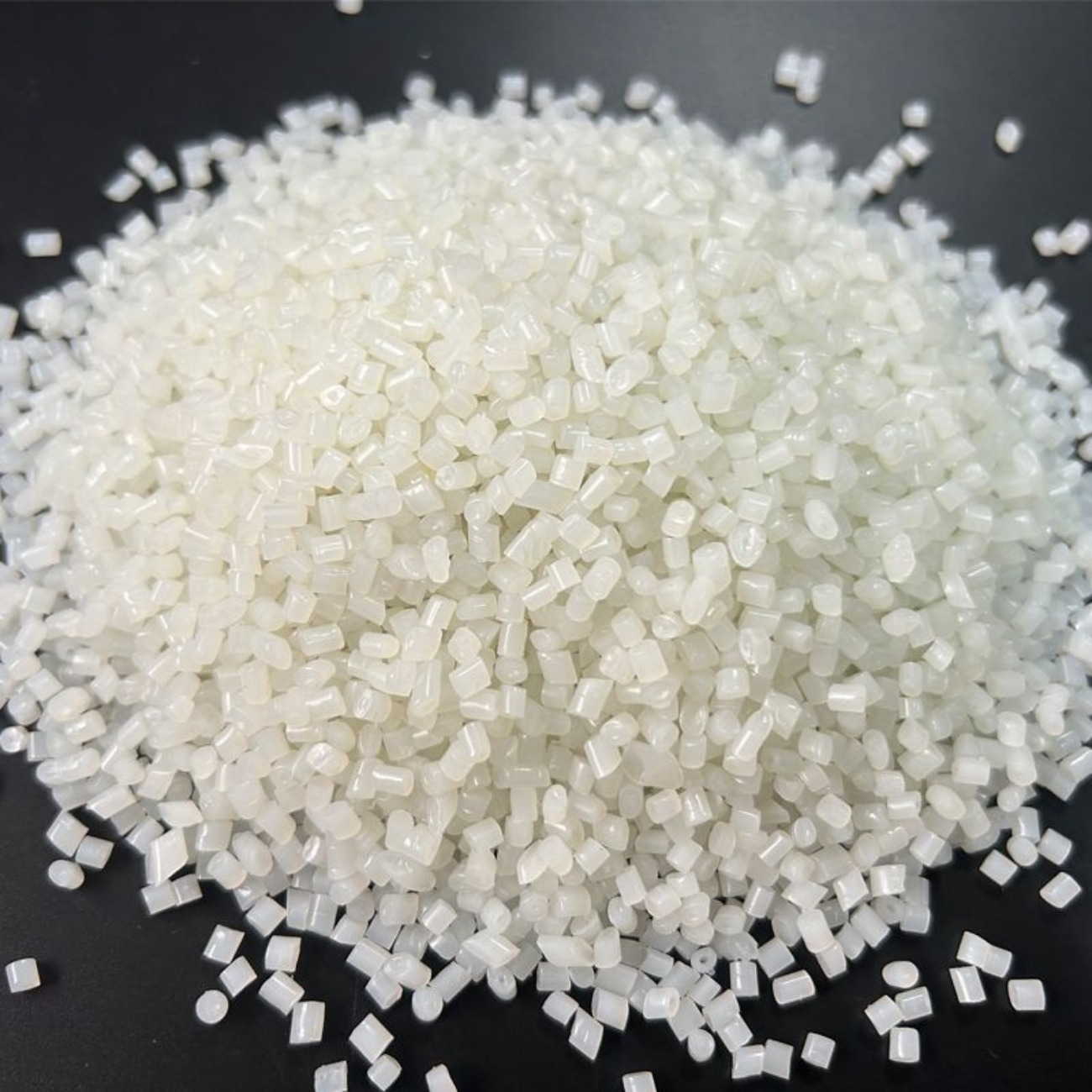
What is the Properties and Application of Antistatic Nylon?
Antistatic nylonis a special plastic. It stops static. Static is the zap you feel sometimes. This plastic is very strong. It is used in many things we see every .

Improving the Flowability of Carbon Fiber Nylon Composite Materials
Why Use These Materials for Engine Covers?
Engine covers need to be:
Strong
Heat-safe
Light
Long-lasting
PA66 with glass fiber meets all these needs! Let’s see why they are so good.
How Recycled Nylon is Made: A Guide to the Manufacturing Process
What is Recycled Nylon?
Recycled nylon is made from old things. It helps our world. We make new things from old things. This is good!
Recycled nylon comes from:
Old fishing nets
Old clothes
Why Choose PA66 GF25 or PA66 GF30 Glass Fiber for Engine Cover?
Why Use These Materials for Engine Covers?
Engine covers need to be:
Strong
Heat-safe
Light
Long-lasting
PA66 with glass fiber meets all these needs! Let’s see why they are so good.

What is PA66 GF35 Material
PA66 GF35 is a special plastic. It has two parts. The first part is nylon (PA66). The second part is glass. The 35 means it has 35% glass in it. The glass makes the plastic stronger.
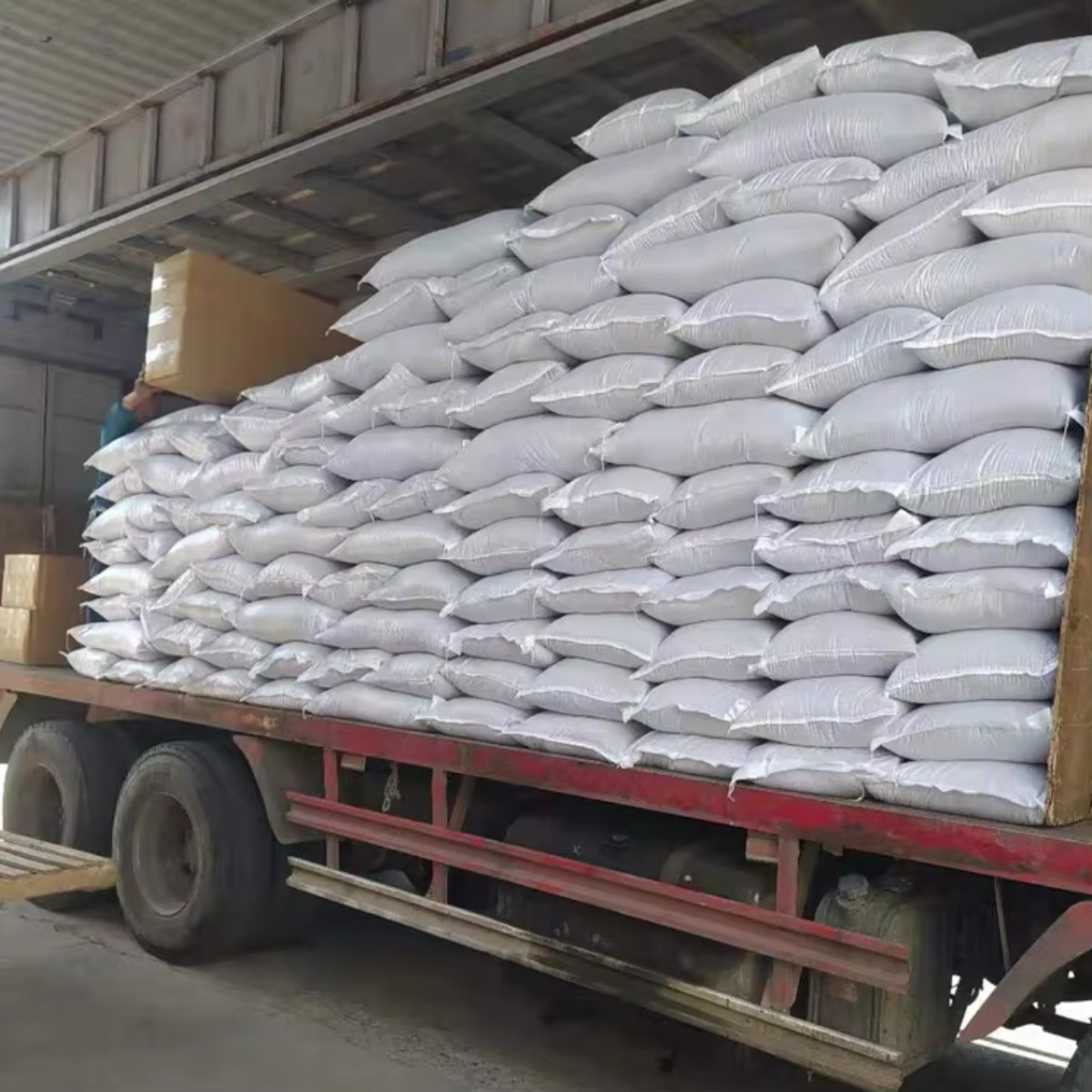
Nylon 48% Glass Fiber for Strong Umbrella Ribs
What Is Nylon 48% Glass Fiber?
Nylon 48% glass fiber is a strong mix. It has nylon and glass bits. The nylon bends. The glass makes it tough. This mix is perfect for umbrella ribs.
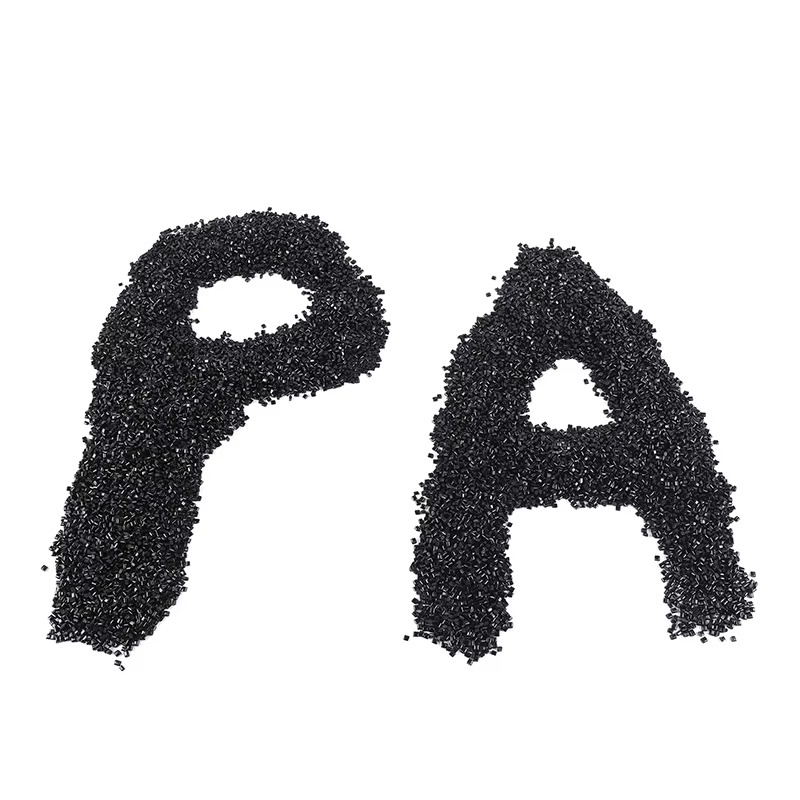
Wholesale Nylon 66 Glass 30% Fiber Reinforced PA66 GF30
Home Previous Next High-Performance Nylon 66 with 30% Glass Fiber – Enhanced Strength and Durability Nylon 66 (also known as
What is PA66 GF35 Material
PA66 GF35 is a special plastic. It has two parts. The first part is nylon (PA66). The second part is glass. The 35 means it has 35% glass in it. The glass makes the plastic stronger.