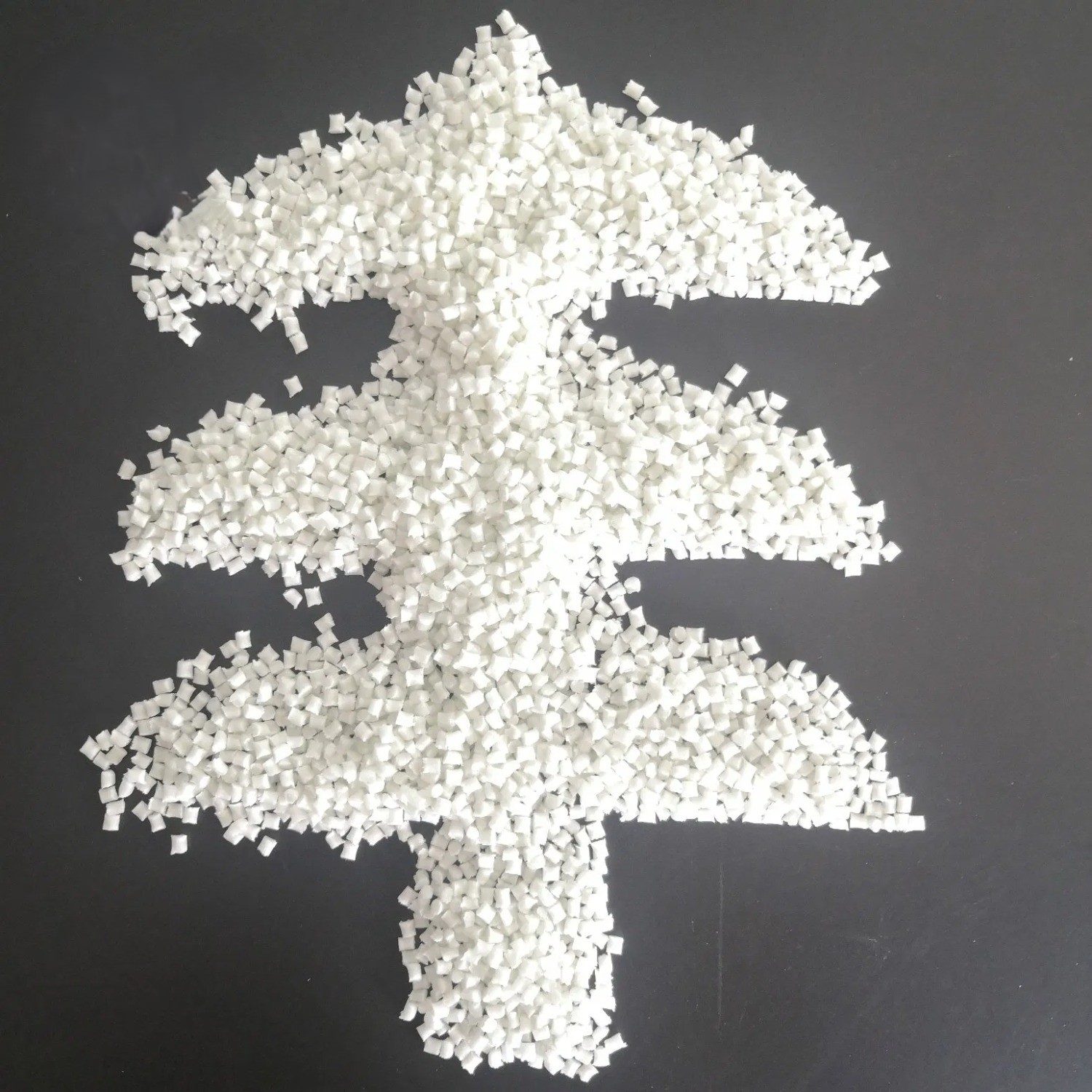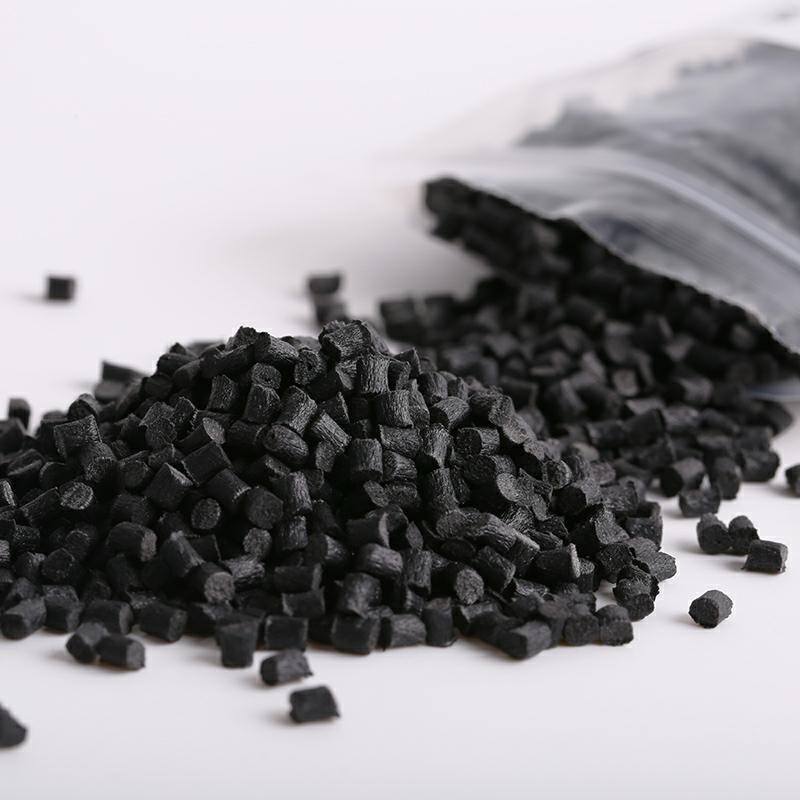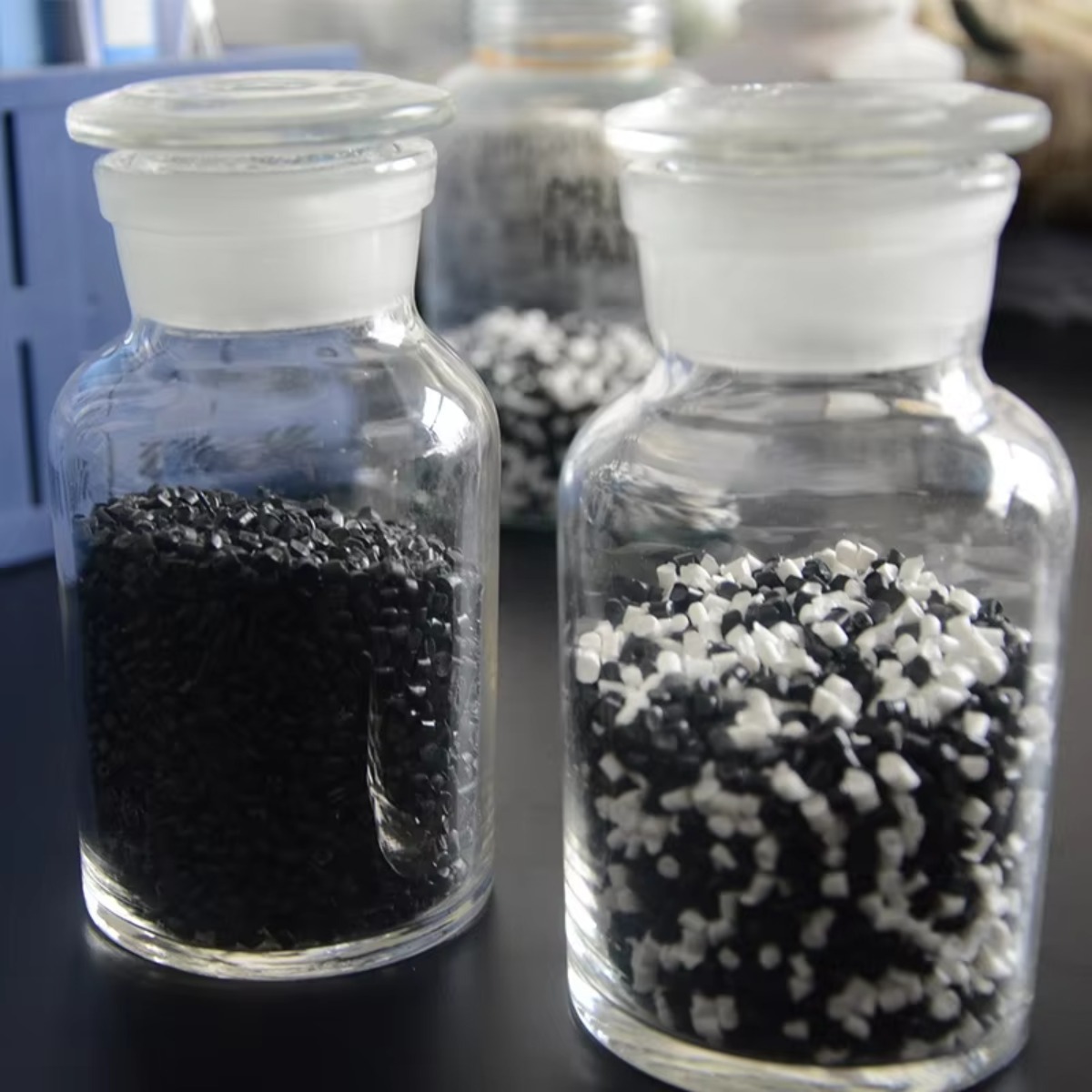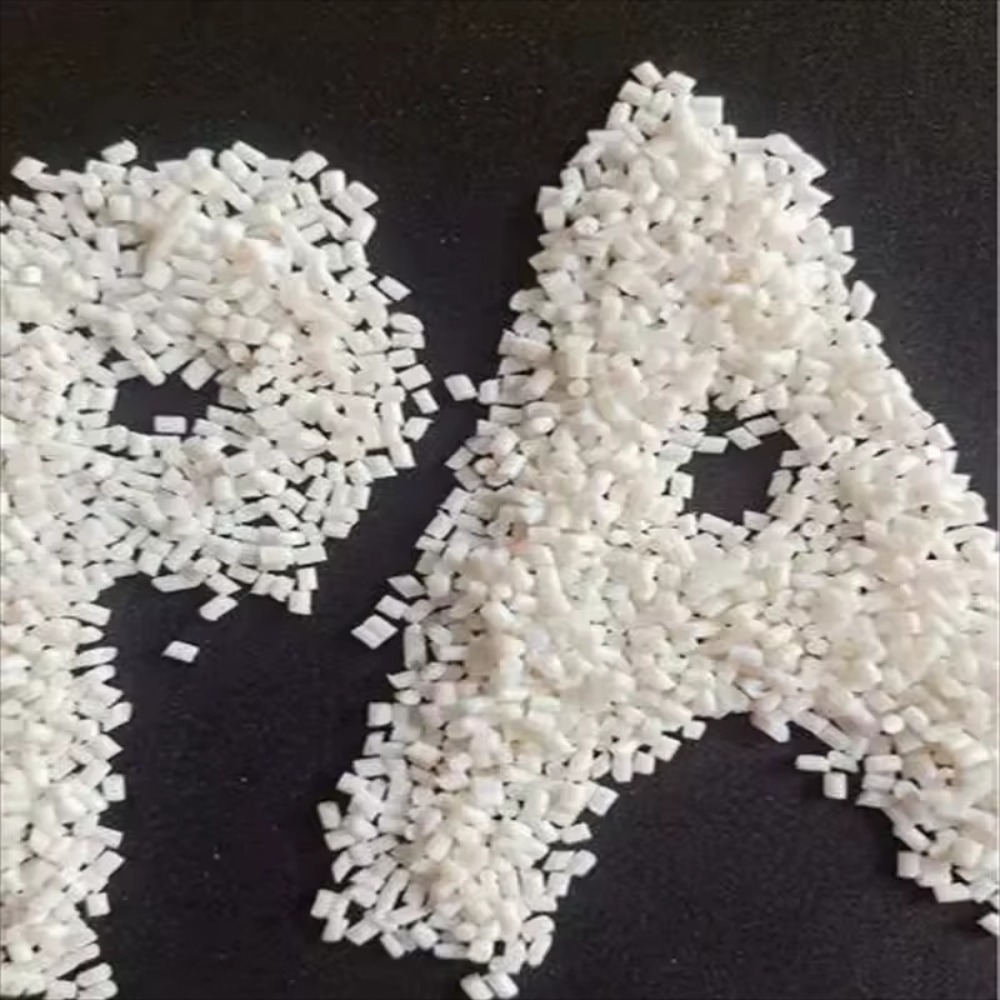
Amid the in-depth advancement of global "dual carbon" goals and increasingly stringent environmental regulations, green manufacturing has become the core direction for the high-quality development of the industry. As a key carrier of the circular economy, Post-Consumer Recycled (PCR) nylon not only effectively addresses the problem of plastic waste pollution but also reduces reliance on non-renewable resources such as petroleum. We have proactively laid out the entire industrial chain of PCR modified nylon, broken through performance bottlenecks through technological innovation, fulfilled social responsibility through practical actions, and provided downstream customers with custom development of green material solutions that combine environmental attributes and reliable performance.

Core Recycling Technology of PCR Recycled Nylon: An Innovative Path to Closed-Loop Circulation
We adopt a combined physical-chemical recycling process, integrating cutting-edge international technological achievements to realize the efficient transformation from waste raw materials to high-value products, while ensuring environmental friendliness and product stability throughout the entire process.
- Source Sorting and Pretreatment: Using post-consumer nylon waste such as discarded carpets, fishing nets, and textile clothing as the main raw materials, intelligent spectral sorting technology is employed to accurately separate different types such as PA6 and PA66, removing metal, fiber impurities, and oil stains. After cleaning and crushing, a pure raw material matrix is formed, laying the foundation for subsequent processing.
- Integration of Advanced Recycling Processes: The core adopts a combined mode of enhanced aminolysis chemical recycling technology and multi-stage physical purification process. In the chemical recycling stage, waste is depolymerized into monomers such as hexamethylenediamine and caprolactam, removing aging impurities on the molecular chain; in the physical processing stage, low-temperature melting, multi-stage filtration, and viscosity control are used to reconstruct the molecular chain structure, ensuring stable product performance. Compared with traditional single recycling methods, this process reduces energy consumption by 30% and increases recycling efficiency to over 95%.
- Full-Process Quality Traceability:
- ✅ GRS (Global Recycled Standard) Certified
- ✅ Full-chain traceability: waste collection → processing → production → delivery
- ✅ Third-party test reports for every batch, specifying recycled content (up to 100%) and carbon footprint data
- ✅ Transparent, verifiable quality guaranteed
Performance Comparison: Recycled (PCR) vs. Virgin Nylon
Through process optimization and formula improvement, our PCR recycled nylon achieves precise matching with virgin materials in core performances, with some indicators being more advantageous, fully meeting the injection molding application requirements in various fields.

| Performance Indicator | PCR Recycled Nylon (PA6/PA66) | Virgin Nylon (PA6/PA66) | Core Value |
|---|---|---|---|
| Tensile Strength | 65-72MPa | 68-78MPa | The gap is controlled within 5%-8%, meeting the requirements of structural components |
| Elongation at Break | 25%-35% | 28%-38% | Stable toughness, not prone to brittleness during processing |
| Hygroscopicity | 2.0%-3.0% (PA66) | 2.5% (PA66) | Lower hygroscopicity, better dimensional stability of products |
| Coefficient of Friction | ≈0.30 | ≈0.32 | Superior wear resistance, suitable for moving parts |
| Carbon Footprint | 38%-42% lower than virgin materials | Baseline value | Significantly reduces environmental footprint, supporting low-carbon production |
In actual injection molding applications, the melt fluidity of PCR recycled nylon is basically consistent with that of virgin materials, allowing direct production without adjusting equipment parameters. Combined with the moisture control process and mold optimization scheme mentioned earlier, common problems such as warpage and silver streaks can be effectively avoided. The qualified rate of finished products reaches over 99%, which is equivalent to the production efficiency of virgin nylon.
Meeting Sustainability Goals and Regulations
PCR recycled nylon is not only a choice of environmentally friendly materials but also a strategic support for downstream customers to cope with policy pressures and enhance market competitiveness.

- Meeting Global Environmental Regulatory Requirements: Helping customers comply with international policies such as the EU REACH Regulation (recycled content ≥25%) and Carbon Border Adjustment Mechanism (CBAM), avoiding 18%-25% carbon tariff risks. It meets China's "Emission Standards f