
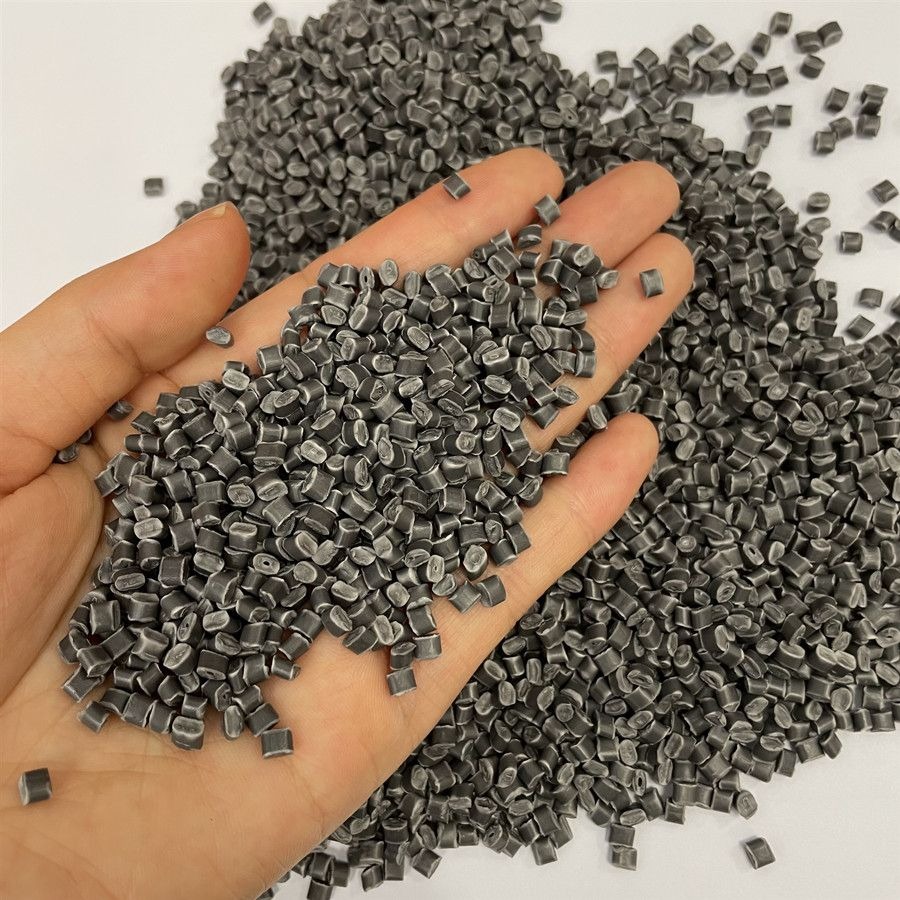
What is PA66?
PA66 is a strong plastic. It has a special number called RV. When the RV is between 2.4 and 2.75, the plastic works very well. This plastic can do many jobs. It is light but tough.
PA66 stands for Polyamide 66. It is also called nylon 66. Many people use it to make parts for cars, tools, and other things.
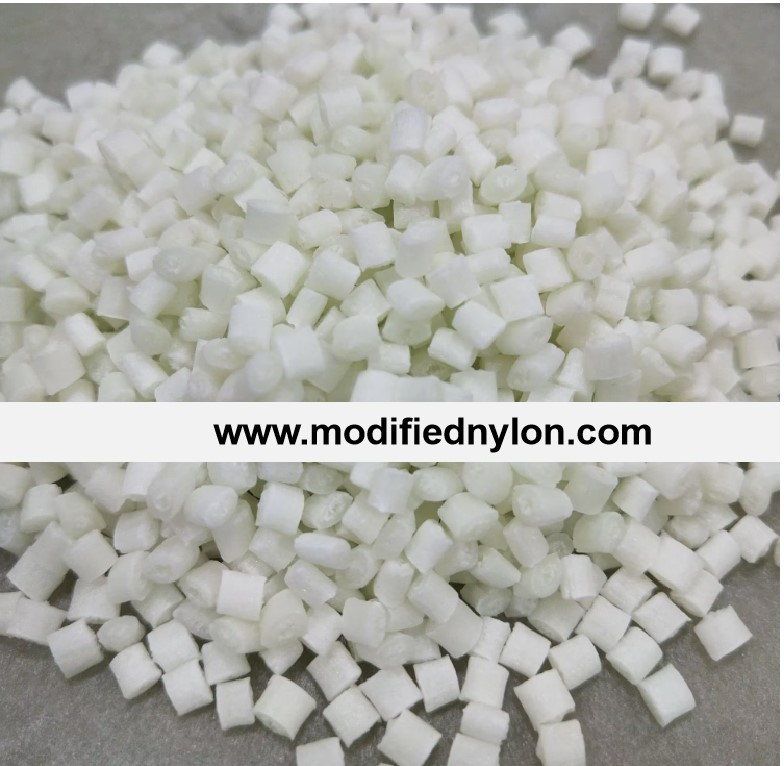
Key Properties of PA66 with 2.4-2.75 RV
Mechanical Properties
PA66 is very strong. It can hold up heavy things without breaking. Here are some facts about how strong it is:
- It can take up to 82 MPa of pull (that's very strong!)
- With glass added, it can be even stronger - up to 200 MPa
- It can stretch a lot before it breaks (300%)
- It is stiff with a Young's modulus of 3.3 GPa
These numbers mean PA66 is good for parts that need to be tough and last a long time.
Thermal Properties
PA66 can handle hot places. It does not melt until it gets very hot. Here's how hot it can get:
- Melting point: 263°C (very hot!)
- Can work in places up to 85°C all the time
- With glass added, it can work in even hotter places (up to 245°C)
This makes PA66 good for parts near engines or other hot spots.
Processing Properties
When making things with PA66, you need to know:
- It shrinks about 1.2-1.3% when it cools
- Adding glass can make it shrink less (0.2-1%)
- It soaks up water (2.3% per day), so you need to dry it first
- It flows well in molds when the RV is 2.4-2.75
Applications of PA66 with 2.4-2.75 RV
PA66 is used in many places. Let's look at where it works best.
Automotive Uses
Cars need strong, light parts. PA66 is perfect for:
- Parts under the hood
- Gear boxes
- Sensors
- Charging ports for electric cars
Using PA66 makes cars 15% lighter than using metal parts. This helps cars use less gas or battery power.
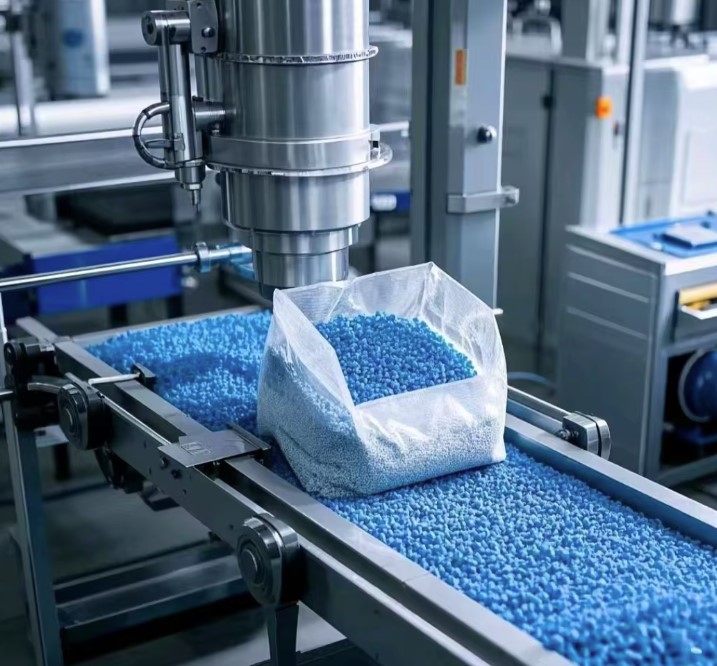
Electrical Uses
PA66 is good for electrical parts because:
- It does not let electricity flow through it
- It stays the same size and shape
- It can handle heat from electrical parts
- It passes safety tests like UL 94 HB
This makes it good for:
- Wire covers
- Plugs and connectors
- Boxes for electrical parts
Industrial Uses
In factories and big machines, PA66 is used for:
- Gears that need to last a long time
- Parts that rub against each other (it has low friction)
- Parts that need to be exact sizes
- Parts that touch chemicals
Advantages of PA66 with 2.4-2.75 RV
Why do people pick PA66 over other materials? Here are the big benefits:
- Lighter than metal - 30% less weight but still strong
- Costs less - 50% cheaper than some other high-heat plastics
- Easy to make - flows well in molds with 2.4-2.75 RV
- Lasts a long time - does not wear out fast
- Works in hot places - can handle heat near engines
Comparison with Other Materials
Let's see how PA66 compares to other plastics:
| Property | PA66 (RV 2.4-2.75) | PA6 | POM |
|---|---|---|---|
| Strength | 82-200 MPa | 45-80 MPa | 65-70 MPa |
| Heat Resistance | 85-245°C | 80-185°C | 100-172°C |
| Water Absorption | 2.3% | 8-10% | 0.2-0.3% |
As you can see, PA66 is stronger than PA6 and POM. It can also handle more heat than PA6. It does soak up some water, but not as much as PA6.
Case Studies
Here are some real examples of PA66 being used:
Case Study 1: Car Charging Ports
A car company used PA66 with glass (GF30) to make charging ports for electric cars. The parts were:
- 15% lighter than the old metal parts
- Just as strong
- Easier to make in complex shapes
Case Study 2: Electrical Boxes
A company made boxes for electrical parts using PA66 with RV 2.4. These boxes:
- Passed all safety tests
- Could be very thin (0.75 mm) and still work
- Did not catch fire easily
Case Study 3: Gears for Machines
A factory used PA66 with 25% glass and RV 2.65 to make gears. These gears:
- Wore down 40% less than regular nylon gears
- Lasted much longer
- Made less noise
Processing Guidelines
If you want to make things with PA66, here are some tips:
- Dry it first - heat it to 80°C to remove water
- Mold temperature - keep molds at 80-90°C
- Melting temperature - heat PA66 to 260-290°C to melt it
- Cooling - cool slowly to reduce warping
- Glass - add glass if you need less shrinking
Limitations of PA66
PA66 is great, but it's not perfect. Here are some things to watch out for:
- It soaks up water (2.3% per day)
- Water can make it change size a little bit
- It can break down in UV light unless you add special stuff
- It costs more than some basic plastics
Conclusion
PA66 with RV 2.4-2.75 is a special plastic that works well for tough jobs. It is strong, handles heat, and lasts a long time. It makes cars lighter, electrical parts safer, and machine parts that last longer.
When you need a material that can do hard jobs, PA66 with the right RV is often the best choice. It gives you the perfect mix of flow and strength.
For more information about different types of PA66, check out our toughened PA66 options or browse our complete polyamides collection.
Hi, I'm Ivy! My focus is on reinforced polyamides and PP – materials that deliver exceptional performance for demanding applications. I offer expertise in formulation, processing, and application development. Contact me to learn more!

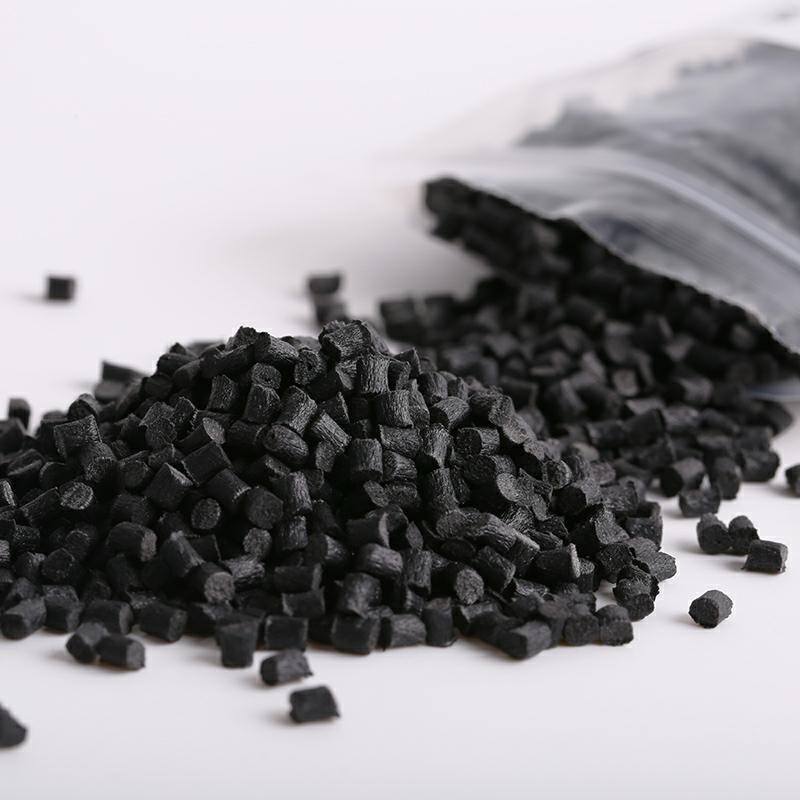
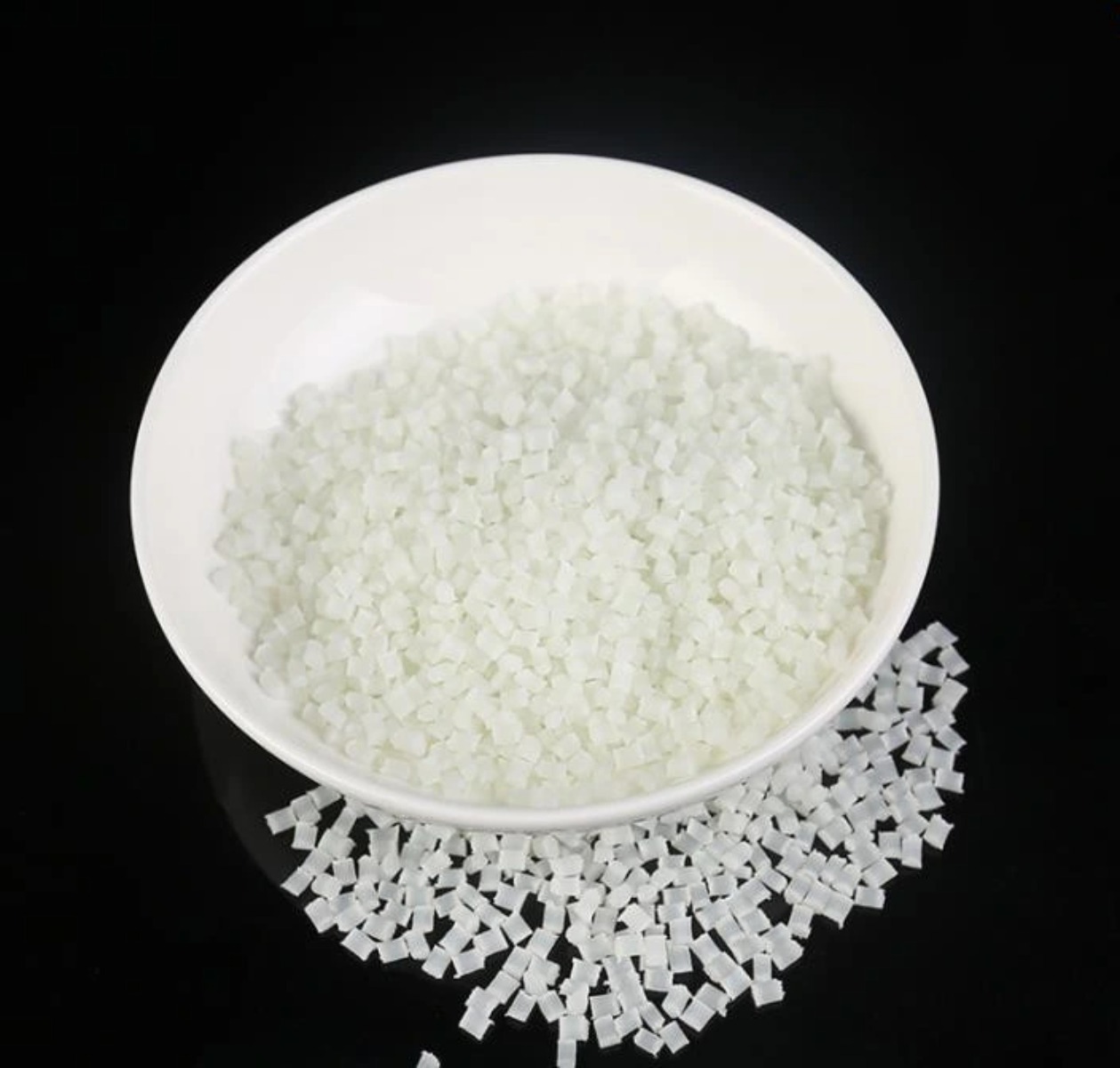
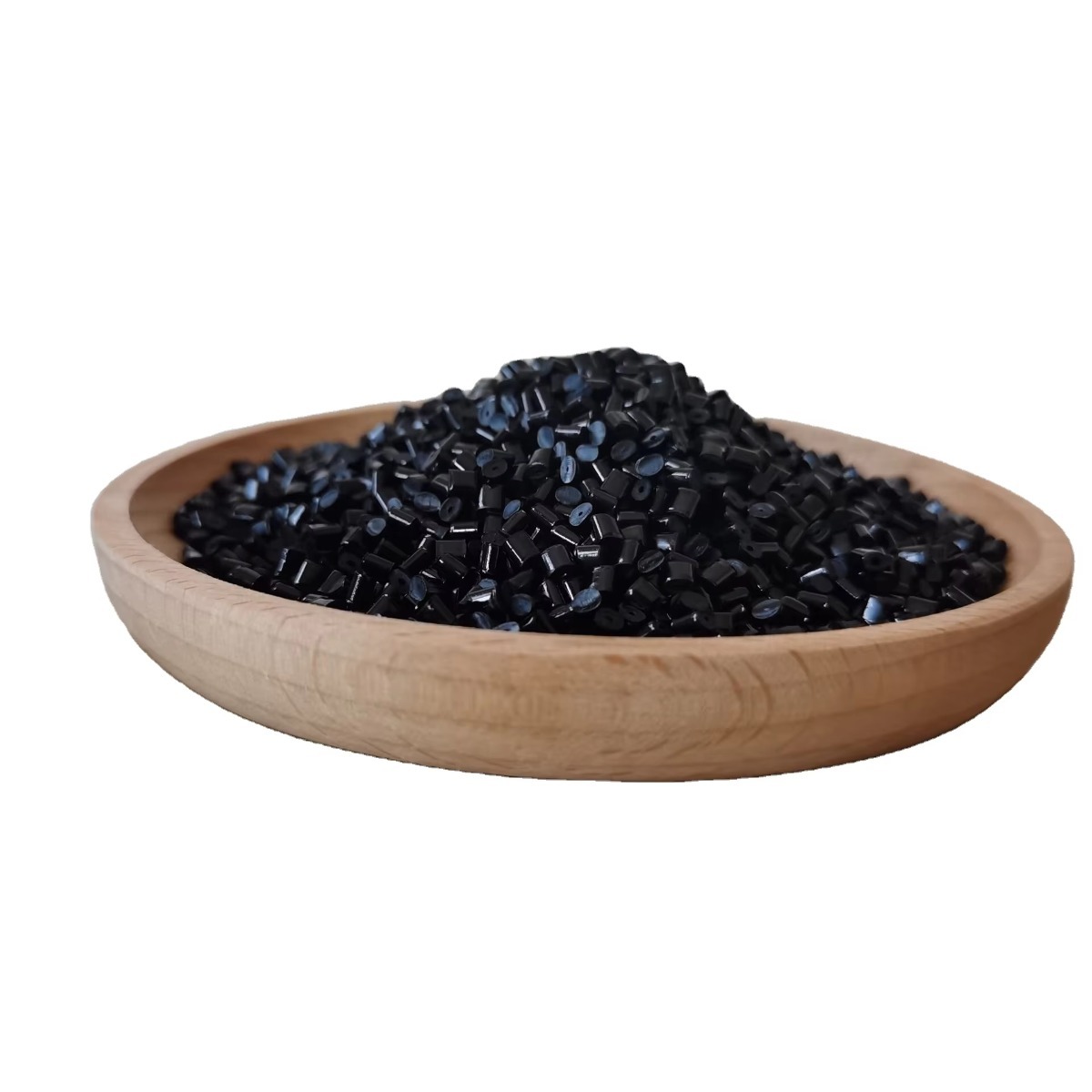

What is the Difference Between Nylon and Glass-Filled Nylon?
Nylon is a type of plastic. It is soft and can bend.
Glass-filled nylon is nylon with tiny bits of glass in it. The glass makes it stronger.
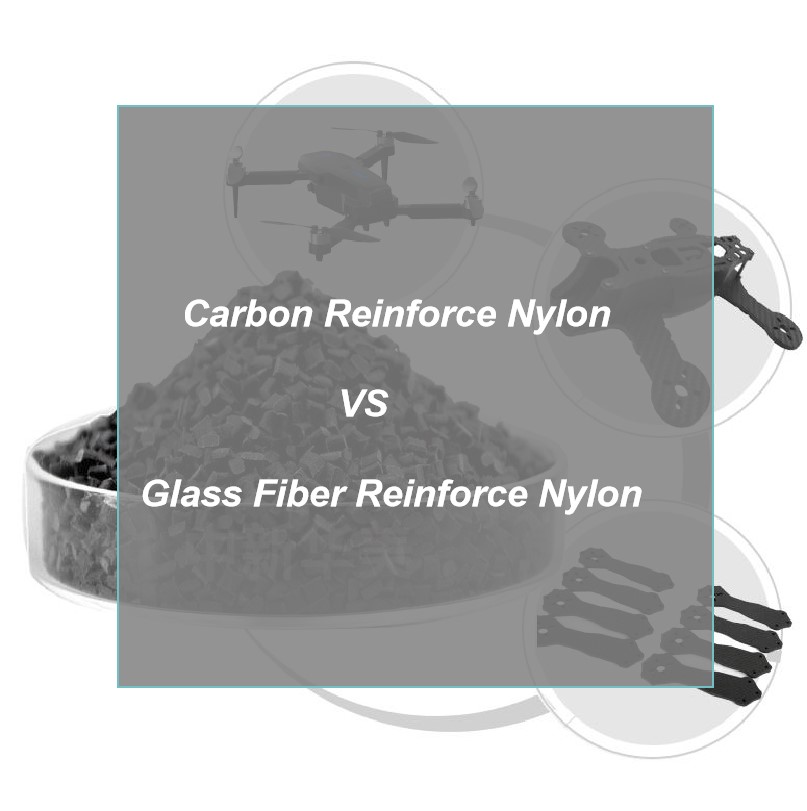
what is the differences of Carbon Fiber Reinforced Nylon and Glass Fiber Reinforced Nylon?
What Is Nylon 48% Glass Fiber?
Nylon 48% glass fiber is a strong mix. It has nylon and glass bits. The nylon bends. The glass makes it tough. This mix is perfect for umbrella ribs.
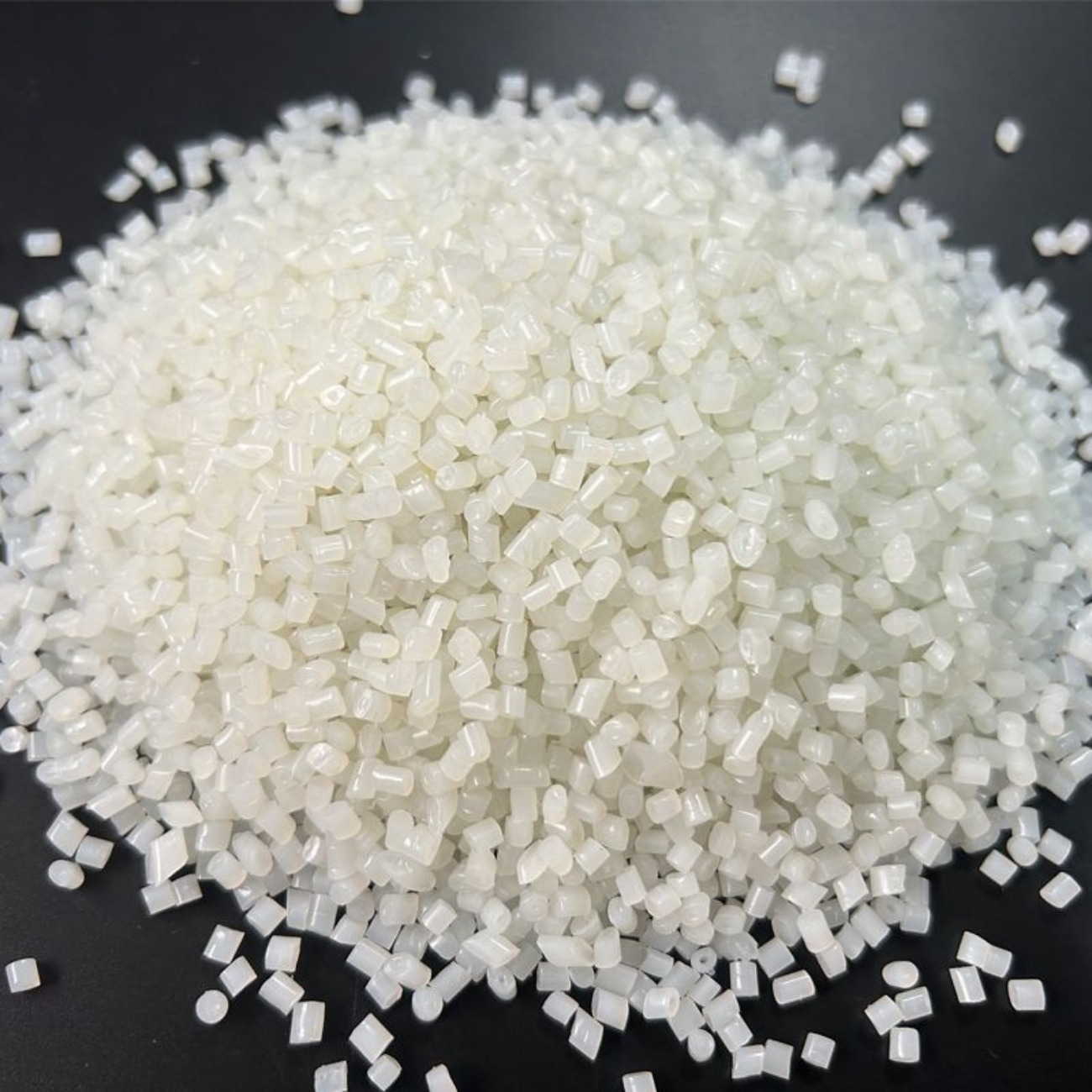
What is the Properties and Application of Antistatic Nylon?
Antistatic nylonis a special plastic. It stops static. Static is the zap you feel sometimes. This plastic is very strong. It is used in many things we see every .
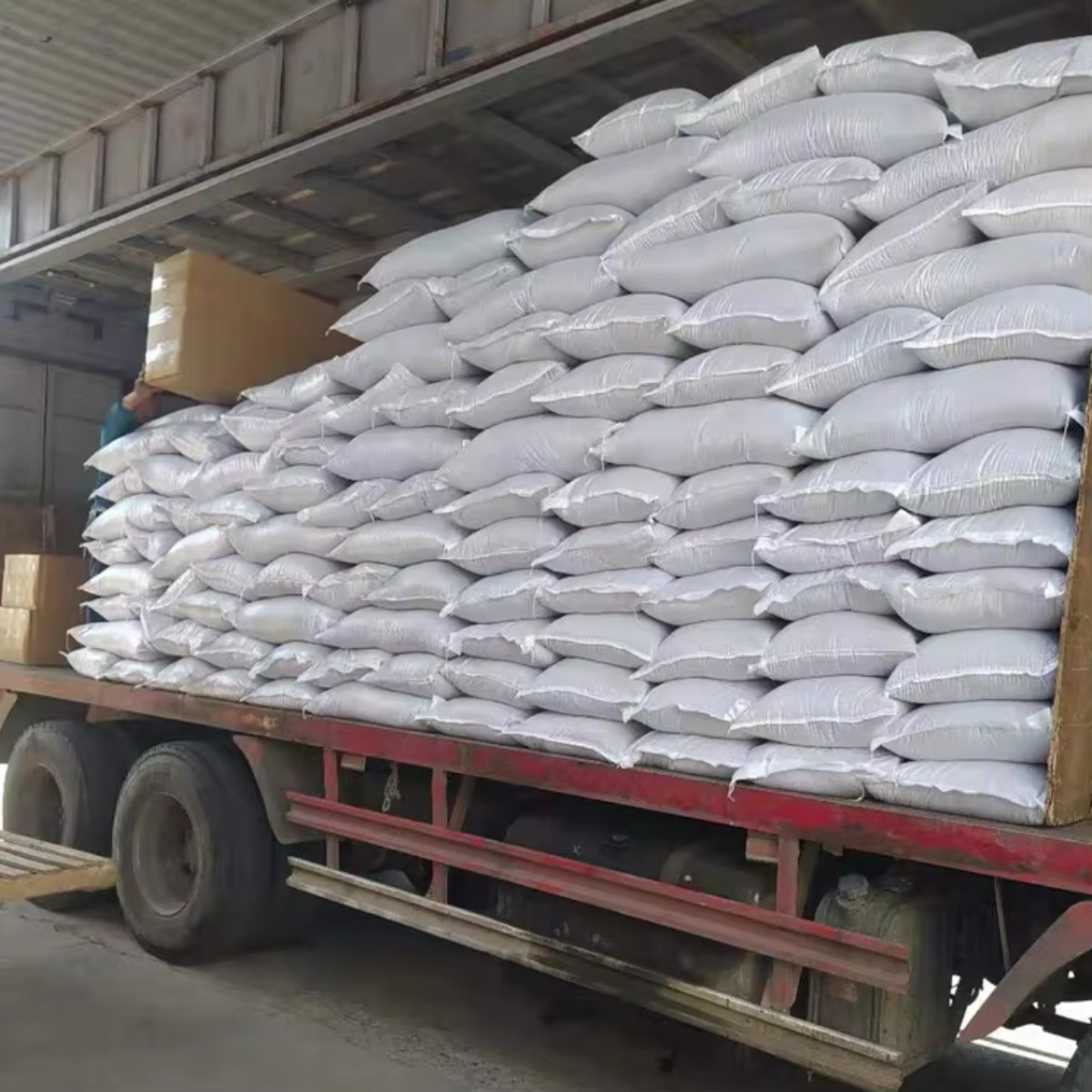
Nylon 48% Glass Fiber for Strong Umbrella Ribs
What Is Nylon 48% Glass Fiber?
Nylon 48% glass fiber is a strong mix. It has nylon and glass bits. The nylon bends. The glass makes it tough. This mix is perfect for umbrella ribs.
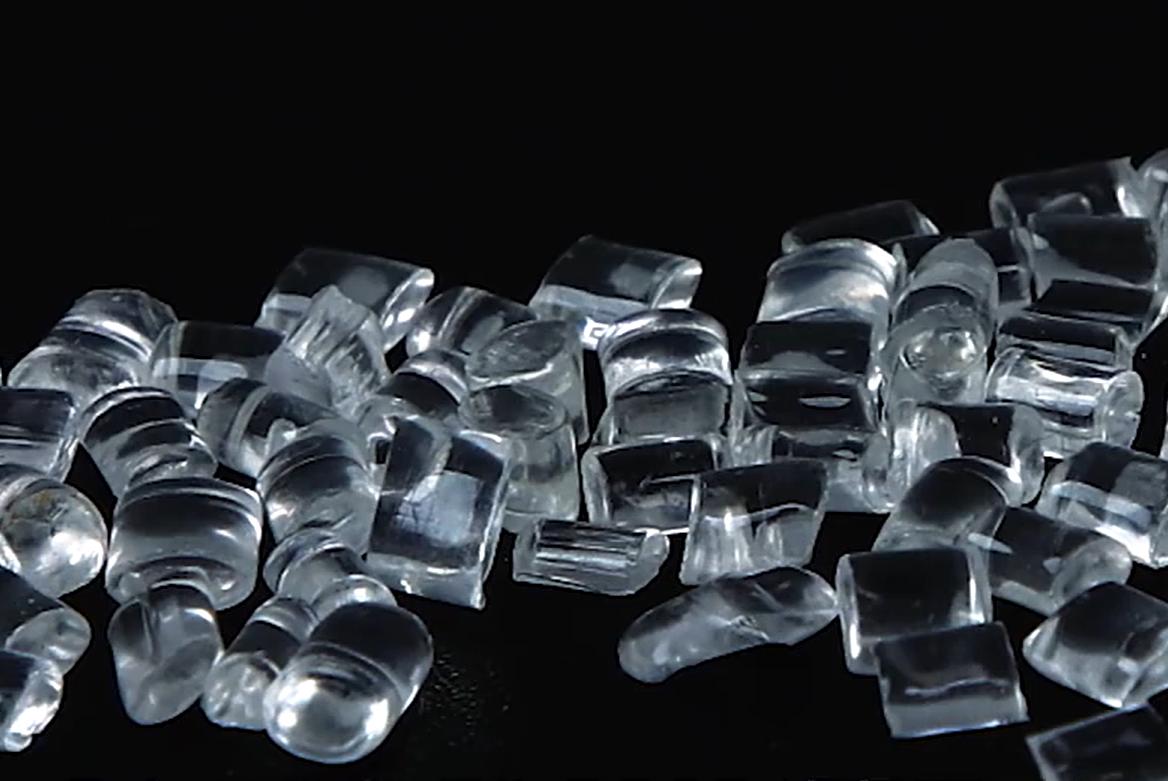
Where is Glass Fiber Reinforced PA612 used?
Glass Fiber Reinforced PA612 is a strong plastic. It is made with PA612 (also called Polyamide 612) mixed with glass fibers. The glass makes the plastic stronger. It also helps it not melt in hot places. This plastic does not soak up water like other plastics.

Nylon 6 vs. Nylon 66 What’s the Difference?
What Are These Plastic Things?
Nylon 6 and Nylon 66 are strong plastics. Many things we use every day have these plastics in them. They are both in the polyamide family. That means they are made of the same kind of stuff.
Let’s look at what makes them the same and what makes them different.
what is the differences of Carbon Fiber Reinforced Nylon and Glass Fiber Reinforced Nylon?
What Is Nylon 48% Glass Fiber?
Nylon 48% glass fiber is a strong mix. It has nylon and glass bits. The nylon bends. The glass makes it tough. This mix is perfect for umbrella ribs.
Carbon Fiber Reinforced Plastic Ratio: Impact Analysis on Material Properties
What Is Nylon 48% Glass Fiber?
Nylon 48% glass fiber is a strong mix. It has nylon and glass bits. The nylon bends. The glass makes it tough. This mix is perfect for umbrella ribs.