
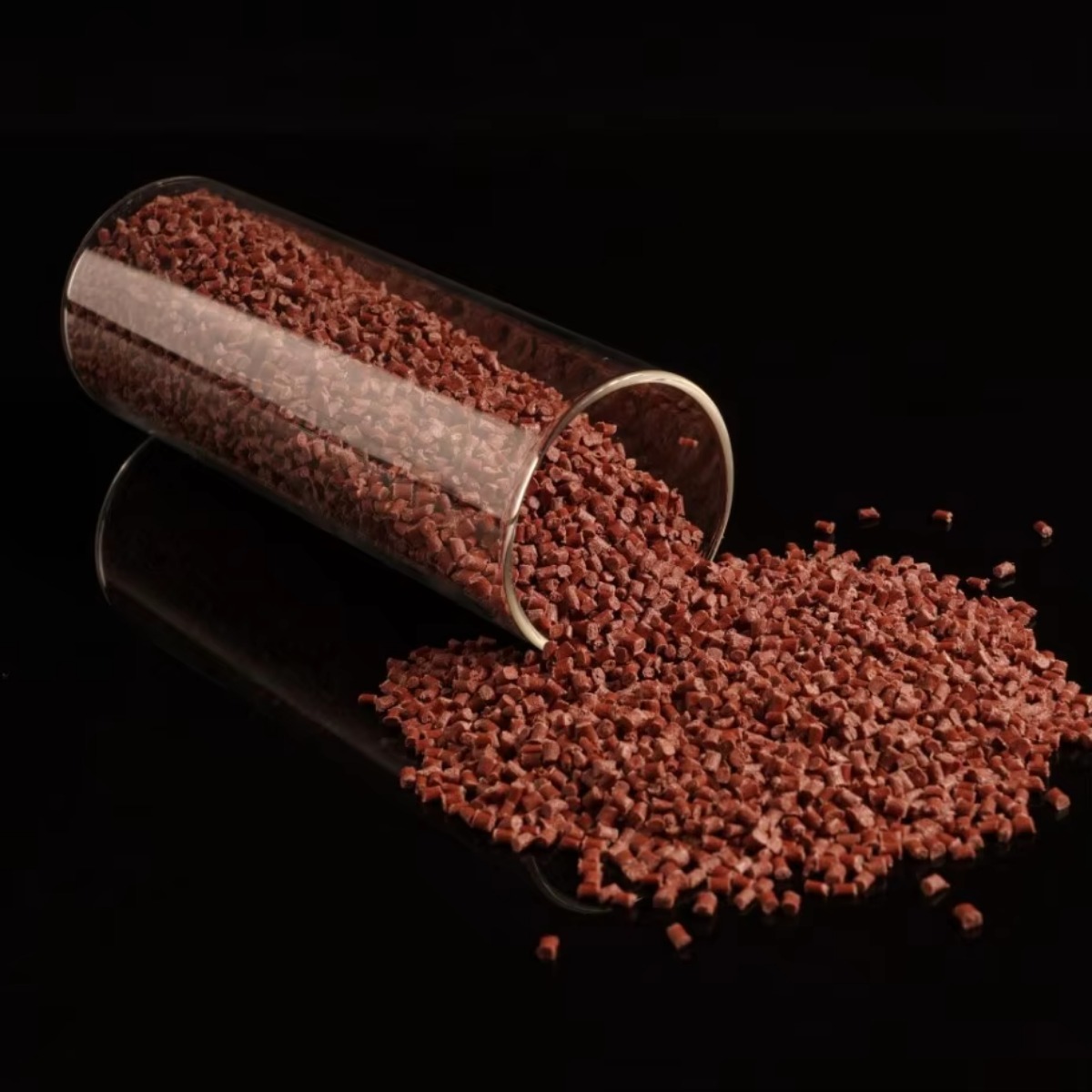
What Are These Plastic Things?
Nylon 6 and Nylon 66 are strong plastics. Many things we use every day have these plastics in them. They are both in the polyamide family. That means they are made of the same kind of stuff.
Let's look at what makes them the same and what makes them different.
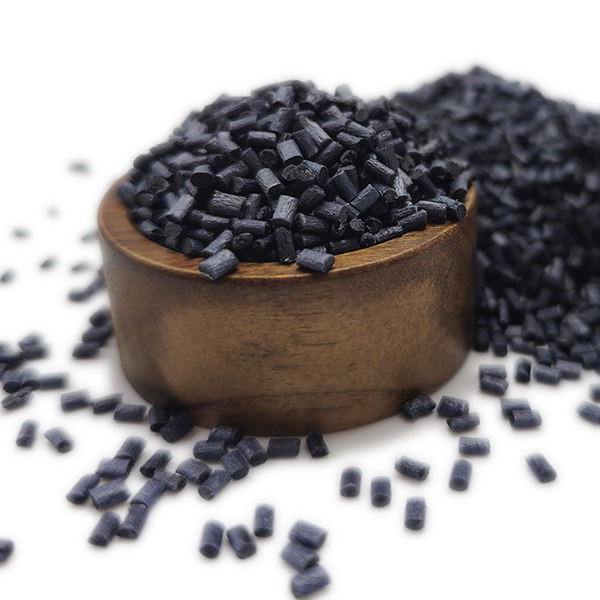
How They Are Made
The way we make these plastics is not the same.
- Nylon 6 comes from one thing called caprolactam
- Nylon 66 comes from two things mixed together
This is why they act different when we use them. Think of it like how cake and cookies are both sweet treats, but they are made with different steps.
The Big Differences: A Simple Table
| What We Look At | Nylon 6 | Nylon 66 | What This Means |
|---|---|---|---|
| How Strong | Good (60-70 MPa) | Better (80-90 MPa) | Nylon 66 can hold more weight |
| Can It Bend | Bends well | Not as bendy | Nylon 6 is better for things that need to flex |
| Shrinks When Cold | 1.5-2% | 1.8-2.5% | Nylon 6 stays more the same size |
| Soaks Up Water | Lots (2.7-3.3%) | Less (1.3-1.7%) | Nylon 66 stays more dry |
| Hot Before Soft | 60-80°C | 80-100°C | Nylon 66 can be in hotter places |
| Melts At | 220°C | 265°C | Nylon 66 needs more heat to melt |
| Cost | Less money | More money | Nylon 6 is cheaper to use |
Where We Use Nylon 6
Nylon 6 is great for:
- Clothes and bags that need to be soft
- Fishing line that needs to be strong but bendy
- Toys that might get dropped
- 3D printing parts that don't warp
Nylon 6 is good when things need to bend but not break. It's like the plastic bags at the store - they stretch but don't tear easy.
You can see more about different types of nylon materials here.
Where We Use Nylon 66
Nylon 66 is best for:
- Car parts that get hot (like near the engine)
- Gears that need to be super strong
- Tools that get used a lot
- Electrical parts that can't change shape
Nylon 66 is good when things need to stay strong even when hot or wet. It's like the plastic handles on pots and pans - they don't melt when cooking.
For special black versions used in electronics, check out conductive nylon compounds here.
Water and Heat: Big Deal-Breakers
One of the biggest differences is how these plastics act when they get wet or hot.
Water Test
- Nylon 6: Soaks up lots of water (like a sponge)
- Nylon 66: Doesn't soak up as much (more like a plastic cup)
When Nylon 6 gets wet, it can get 30% weaker! But Nylon 66 only gets about 15% weaker when wet.
Heat Test
- Nylon 6: Gets soft at lower heat (like butter on a warm day)
- Nylon 66: Stays hard in more heat (like cheese on a warm day)
This is why car makers pick Nylon 66 for parts that get hot.
Making Things: Which Is Easier?
When we make things with these plastics:
- Nylon 6 is easier to work with
- Nylon 66 needs more careful setting up
For 3D printing:
- Nylon 6 prints with less problems
- Nylon 66 can warp and needs more drying first
Cost Matters Too!
Nylon 6 costs less money than Nylon 66. This is a big deal when making lots of things.
- Things like zippers and toothbrushes use Nylon 6
- Things like car parts that must be super strong use Nylon 66
If you want to know more about nylon 66 materials specifically, click here.
How to Pick the Right One
Ask these easy questions:
- Will it get very hot? (Over 80°C) → Pick Nylon 66
- Does it need to bend a lot? → Pick Nylon 6
- Will it be in water a lot? → Pick Nylon 66
- Is cost the most important? → Pick Nylon 6
- Does it need to be super strong? → Pick Nylon 66
Real Life Examples
Here are some things you might know that use these plastics:
Nylon 6 Things
- Fishing line
- Toothbrush bristles
- Carpet fibers
- Zip ties
Nylon 66 Things
- Car engine parts
- Electrical plugs
- Gears in machines
- Chair wheels
Same Family, Different Jobs
Think of Nylon 6 and Nylon 66 like brothers in the same family:
- Nylon 6 is the flexible, cheaper brother who's good at many jobs
- Nylon 66 is the tough, heat-resistant brother who's good at hard jobs
Both are good! They just do different things better.
Why This Matters
Picking the right plastic saves:
- Money (don't pay for what you don't need)
- Time (using the wrong one can break)
- Safety (some jobs need the stronger one)
Final Thoughts
Both Nylon 6 and Nylon 66 are amazing plastics that make our lives better. The key is picking the right one for what you need.
- Need bendy, cheaper plastic? → Nylon 6
- Need strong, heat-proof plastic? → Nylon 66
Now you know the big differences, you can make smart choices about which nylon is best for your needs!
Hi, I'm Ivy! My focus is on reinforced polyamides and PP – materials that deliver exceptional performance for demanding applications. I offer expertise in formulation, processing, and application development. Contact me to learn more!


Improving the Flowability of Carbon Fiber Nylon Composite Materials
Why Use These Materials for Engine Covers?
Engine covers need to be:
Strong
Heat-safe
Light
Long-lasting
PA66 with glass fiber meets all these needs! Let’s see why they are so good.
What is the Properties and Application of Antistatic Nylon?
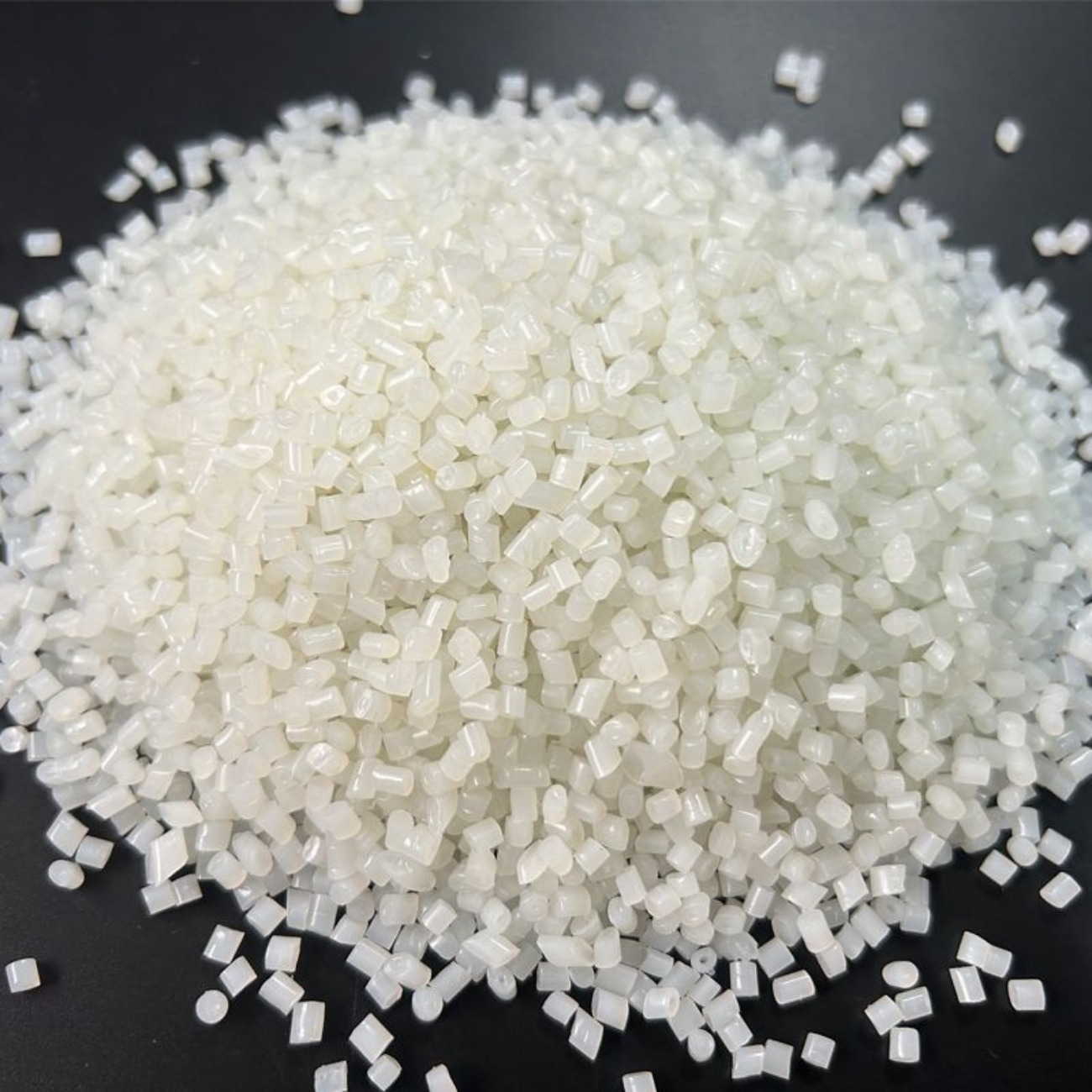
Antistatic nylonis a special plastic. It stops static. Static is the zap you feel sometimes. This plastic is very strong. It is used in many things we see every .
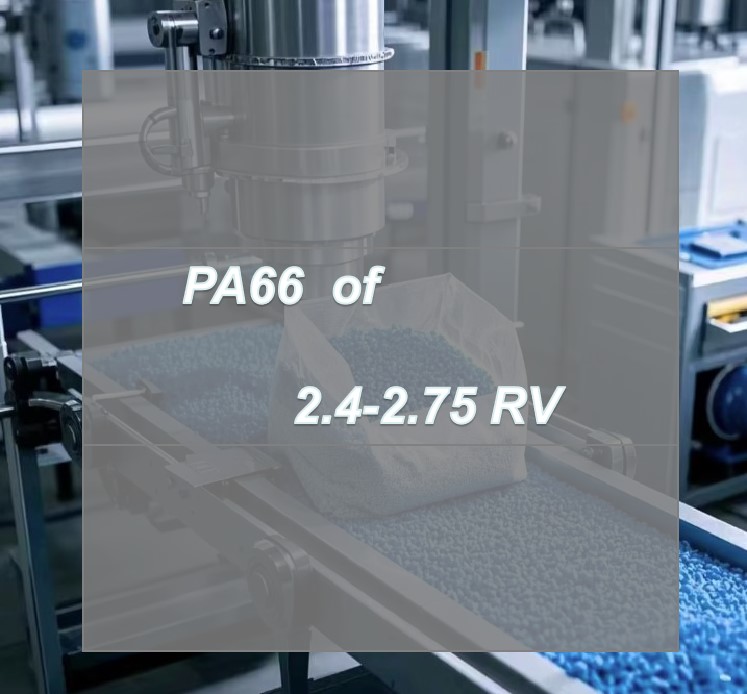
PA66 with 2.4-2.75 RV Properties, Applications, and Advantages for Demanding Projects
What is PA66?
PA66 is a strong plastic. It has a special number called RV. When the RV is between 2.4 and 2.75, the plastic works very well. This plastic can do many jobs. It is light but tough.
PA66 stands for Polyamide 66. It is also called nylon 66. Many people use it to make parts for cars, tools, and other things.

What is PA66 GF35 Material
PA66 GF35 is a special plastic. It has two parts. The first part is nylon (PA66). The second part is glass. The 35 means it has 35% glass in it. The glass makes the plastic stronger.

Nylon 6 vs. Nylon 66 What’s the Difference?
What Are These Plastic Things?
Nylon 6 and Nylon 66 are strong plastics. Many things we use every day have these plastics in them. They are both in the polyamide family. That means they are made of the same kind of stuff.
Let’s look at what makes them the same and what makes them different.
Nylon 6 vs. Nylon 66 What’s the Difference?
What Are These Plastic Things?
Nylon 6 and Nylon 66 are strong plastics. Many things we use every day have these plastics in them. They are both in the polyamide family. That means they are made of the same kind of stuff.
Let’s look at what makes them the same and what makes them different.
How Recycled Nylon is Made: A Guide to the Manufacturing Process
What is Recycled Nylon?
Recycled nylon is made from old things. It helps our world. We make new things from old things. This is good!
Recycled nylon comes from:
Old fishing nets
Old clothes
Why Choose PA66 GF25 or PA66 GF30 Glass Fiber for Engine Cover?
Why Use These Materials for Engine Covers?
Engine covers need to be:
Strong
Heat-safe
Light
Long-lasting
PA66 with glass fiber meets all these needs! Let’s see why they are so good.