
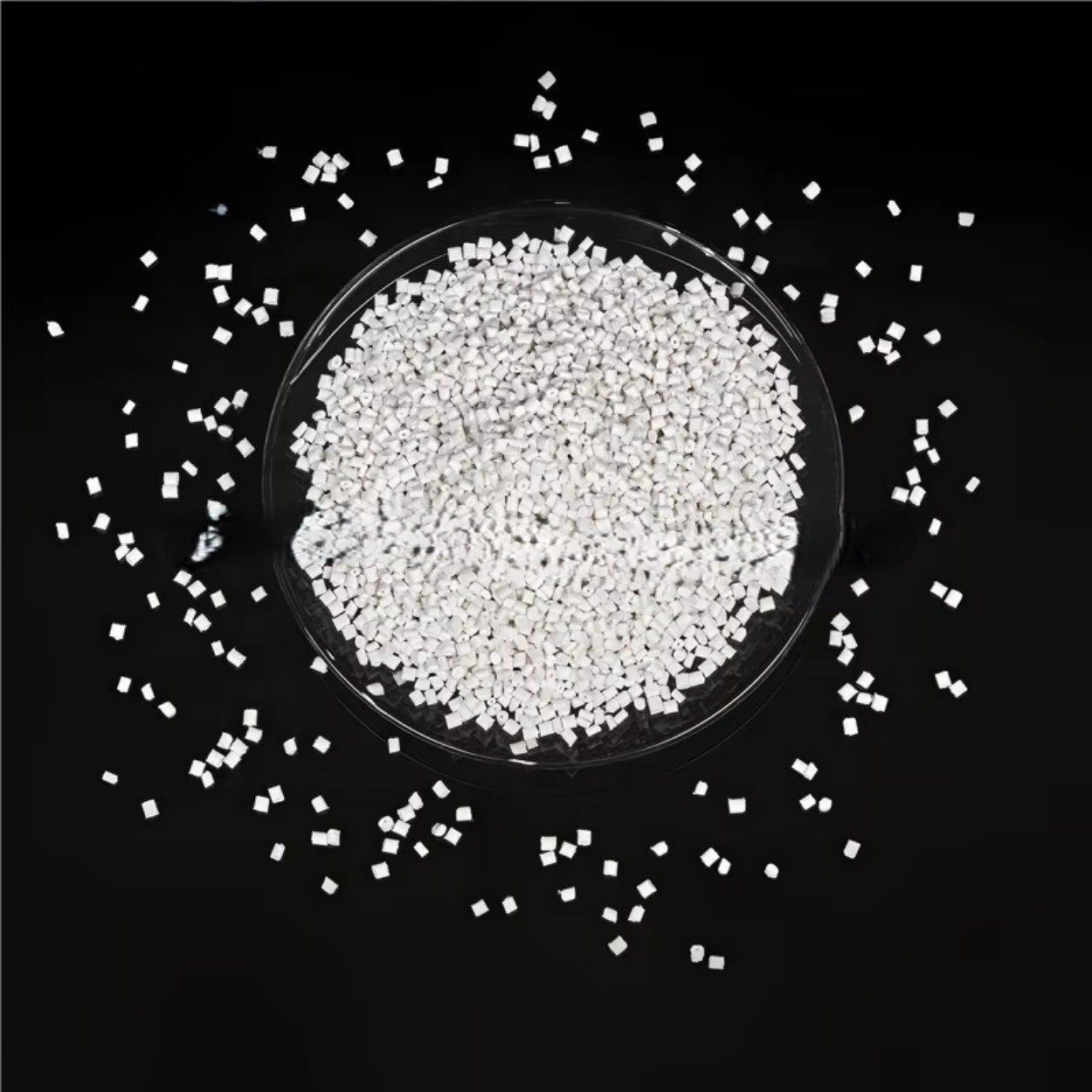
What Are Carbon Fiber Nylon Composites?
Carbon fiber nylon is a special mix. It puts strong carbon parts in nylon. This makes a tough material. It is light but strong.
When we make things with this mix, we need it to flow well. Good flow helps make parts with:
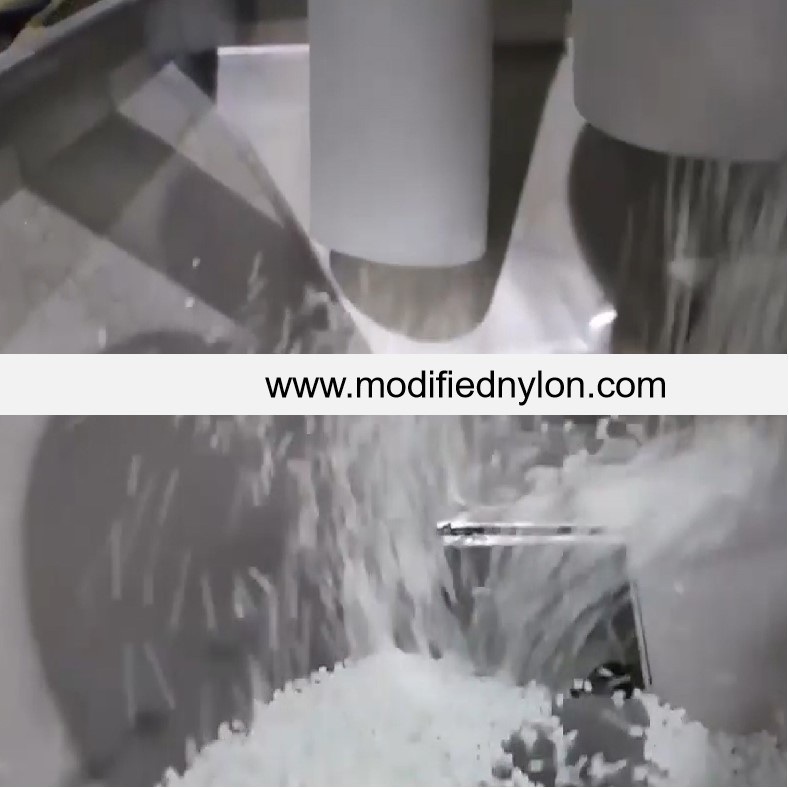
- No holes
- Smooth look
- Same strength all over
Let's learn how to make carbon fiber nylon flow better!
Why Flowability Matters
Flowability means how well the mix moves when hot. Good flow helps:
- Fill all parts of a mold
- Make thin walls
- Cut down on bad parts
- Save time and money
Bad flow can cause:
- Holes in parts
- Weak spots
- Parts that break
How We Measure Flowability
We check flowability with these tests:
- Melt Flow Index - How fast the hot mix flows through a small hole
- Flow length - How far the mix can go in a test mold
- Fill time - How fast it fills up a mold
Ways to Make Carbon Fiber Nylon Flow Better
1. Add Special Helpers
We can mix in special helpers to make the carbon fiber nylon flow better:
| Helper | Flow Improvement | Other Benefits |
|---|---|---|
| TPU/M-CaCO₃ | +89% | Heat resistance up by 20-41% |
| Silane agents | +35% | Makes carbon stick better to nylon |
The TPU/M-CaCO₃ mix works best! It makes the material flow almost twice as well.
2. Change How We Dry the Material
Wet material flows badly. If we dry it right:
- Use microwave drying to get to 0.1% water
- This gives +15% better filling
- Parts come out stronger
3. Use Better Mixing Methods
How we mix the carbon and nylon matters a lot:
- Ultrasonic mixing breaks up clumps
- This gives +29% better flow
- Parts are stronger too
4. Change Making Temperature
The heat we use changes how the mix flows:
- For 3D printing: 260°C to 290°C works best
- This cuts holes in parts by 62%
- Parts come out smoother
Real World Success Stories
Cars and Trucks
Carbon fiber reinforced plastic is now big in cars. With better flow:
- Tesla made battery parts 55% lighter
- Parts cost 30% less to make
- Cars can go farther on one charge
Airplanes
Better flowing carbon fiber nylon helps make:
- Engine parts that last 40% longer
- Parts that help planes use 12% less fuel
- Faster part making (25% quicker)
Medical Tools
Doctors use parts made from this material:
- Bone pins with 62% fewer bad spots
- Parts that can go in the body safely
- Tools that doctors can hold better
Fun Things We Use
Even our fun things use this material:
- Thin phone cases (less than 1mm thick)
- Drone parts that are super light
- Watch cases that look nice but are strong
Best Mix of Carbon and Nylon
Not all mixes work the same. We found:
- 25-30% carbon fiber works best
- This gives good flow and strength
- More carbon makes it too hard to flow
- Less carbon makes it too weak
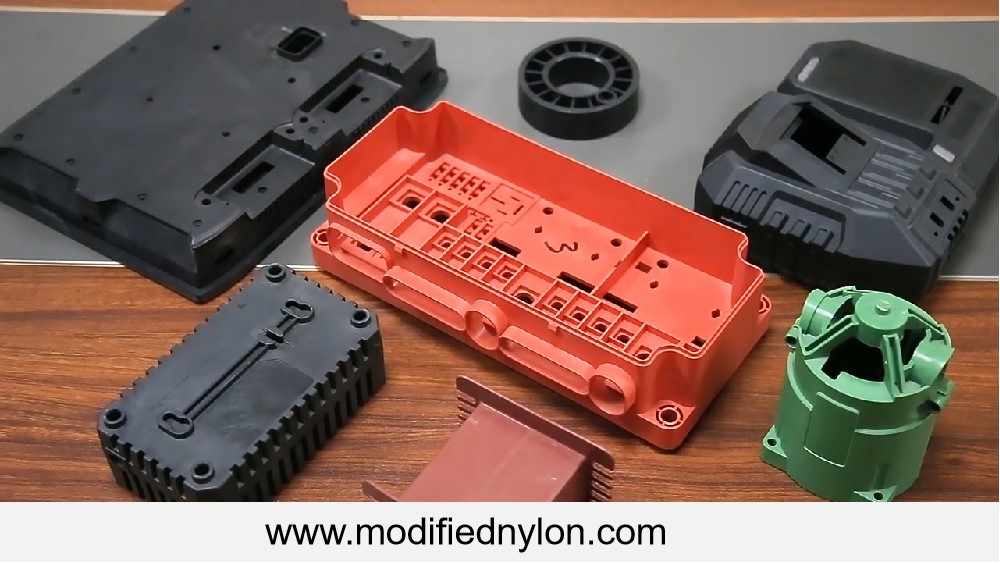
Big Benefits of Better Flow
When carbon fiber nylon flows better, we get:
- Faster making - Parts come out quicker
- Less waste - Fewer bad parts
- Thinner parts - Can make parts under 1mm thick
- More complex shapes - Can make tricky parts
- Stronger parts - No weak spots
Who Uses This Material Most?
These groups use lots of carbon fiber nylon:
| Group | Market Size (Billion $) | How Much They Use Better Flow |
|---|---|---|
| Car makers | 15.4 | 67% |
| Airplane makers | 8.3 | 41% |
| Medical tool makers | 2.9 | 88% |
| Phone and gadget makers | 1.7 | 52% |
Medical companies use the best flow methods the most!
How to Pick the Right Flow Helper
To pick the best way to help your carbon fiber nylon flow:
- Think about how hot your part will get when used
- Check how thin your part needs to be
- See if your part needs to be super strong
- Look at your budget
For most uses, the TPU/M-CaCO₃ mix works best. It helps flow and makes parts stronger too.
Making Your Own Better-Flowing Mix
If you make carbon fiber nylon parts, try these steps:
- Dry your material very well (less than 0.1% water)
- Add TPU/M-CaCO₃ to your mix
- Use ultrasonic mixing to break up clumps
- Set your machine to the right heat (higher for thin parts)
- Test small parts before making big ones
What's Next for Flowing Carbon Fiber Nylon?
New ways to make carbon fiber nylon flow better are coming:
- Nano-helpers that are super tiny
- Smart machines that change heat as they work
- New carbon fibers that are easier to mix
The PA66-CF30 material is getting better every year!
Wrap Up
Making carbon fiber nylon flow better helps make stronger, lighter parts. This helps cars, planes, medical tools, and fun things we use every day.
The best ways to help flow are:
- Adding TPU/M-CaCO₃
- Using ultrasonic mixing
- Drying materials well
- Setting the right heat
With these tricks, we can make amazing parts that are thin, strong, and perfect every time!
For more about glass fiber options, check out polyamide-66 glass fiber reinforced materials.
[^1]: The TPU/M-CaCO₃ synergistic effect improves mechanical properties, thermal stability (335.6 and 396.5°C in the T 50%), and flowability (43.02 and 40.56 g/10 min) of modified continuous fiber reinforced Nylon-6 composites.
[^2]: Impact strength of nylon-wrapped carbon fiber epoxy composites reached 108.7 kJ/m², which was 70.4% greater than standard CF/epoxy composite (63.8 kJ/m²) with the same CF content.
[^3]: Carbon fiber typically makes up 10-40% of carbon fiber reinforced nylon composites, with the optimal range for flowability/strength balance being 25-30%.
[^4]: 3D printing process optimization can reduce defect rates in thin-wall parts from 8.2% to 3.1% through temperature gradient control.
Hi, I'm Ivy! My focus is on reinforced polyamides and PP – materials that deliver exceptional performance for demanding applications. I offer expertise in formulation, processing, and application development. Contact me to learn more!

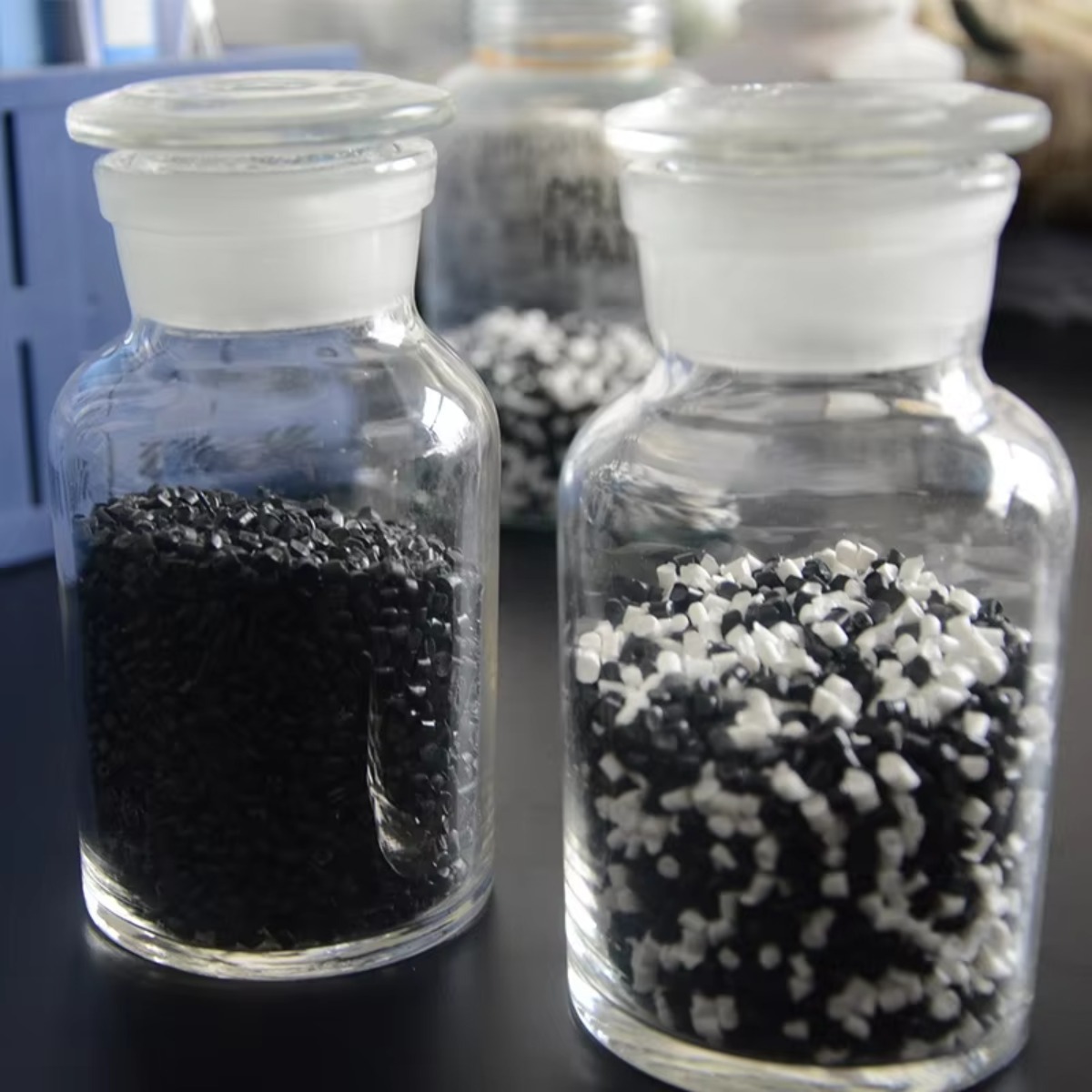
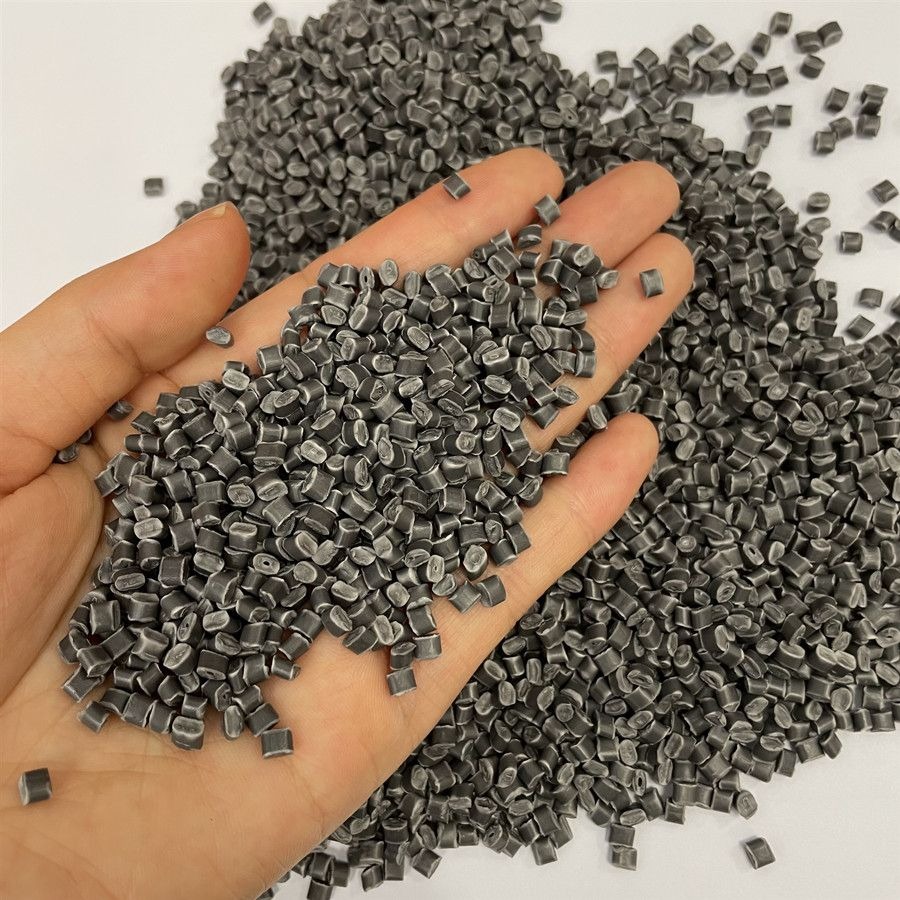
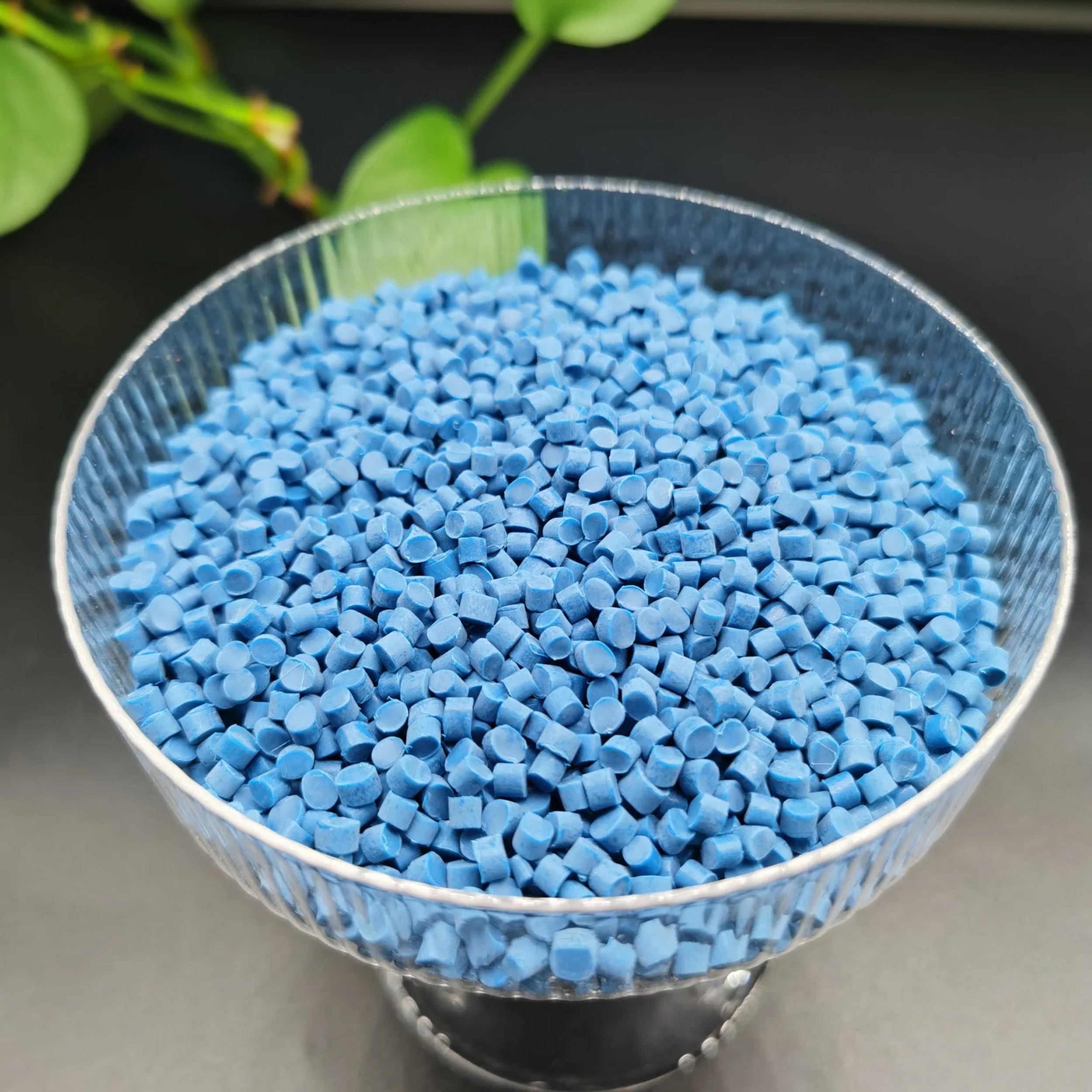
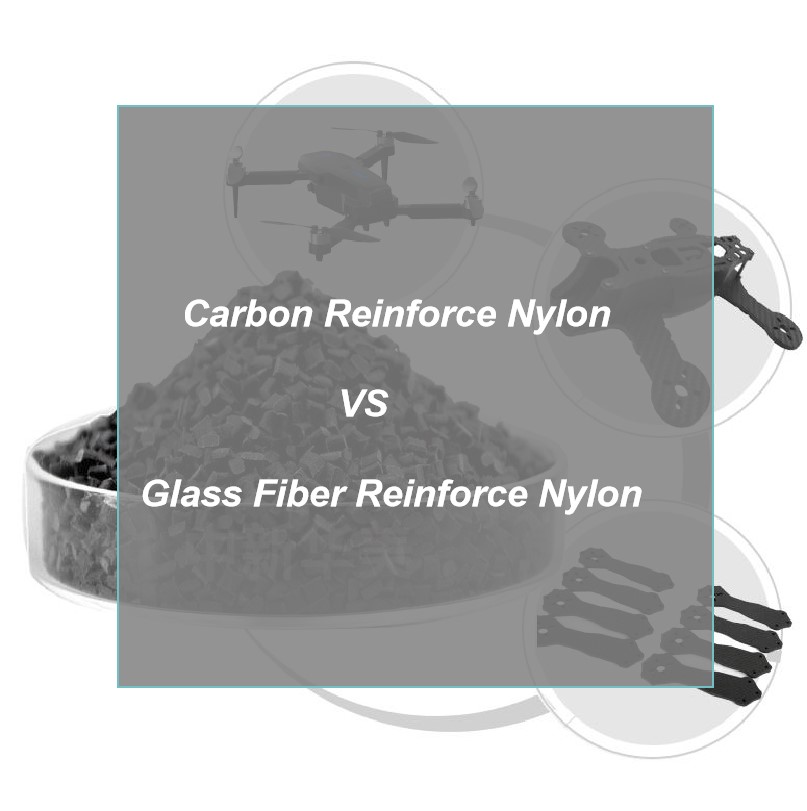
what is the differences of Carbon Fiber Reinforced Nylon and Glass Fiber Reinforced Nylon?
What Is Nylon 48% Glass Fiber?
Nylon 48% glass fiber is a strong mix. It has nylon and glass bits. The nylon bends. The glass makes it tough. This mix is perfect for umbrella ribs.
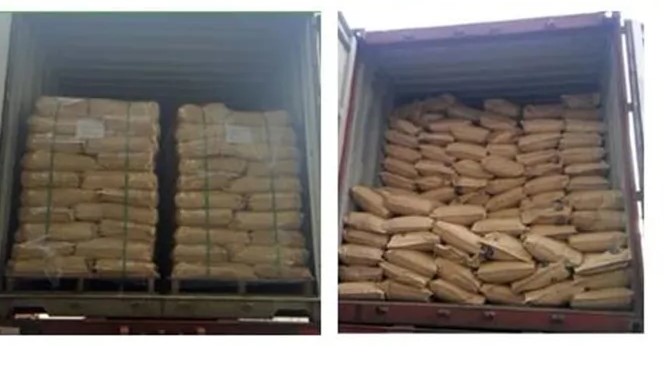
What is Glass Filled Polypropylene?
Glass Fiber Reinforced Polypropylene is a special plastic. It has glass fibers mixed into regular plastic. This makes it strong and light.
Many cars, planes, and buildings use this special plastic. It does not rust like metal. It is not as heavy as metal too.
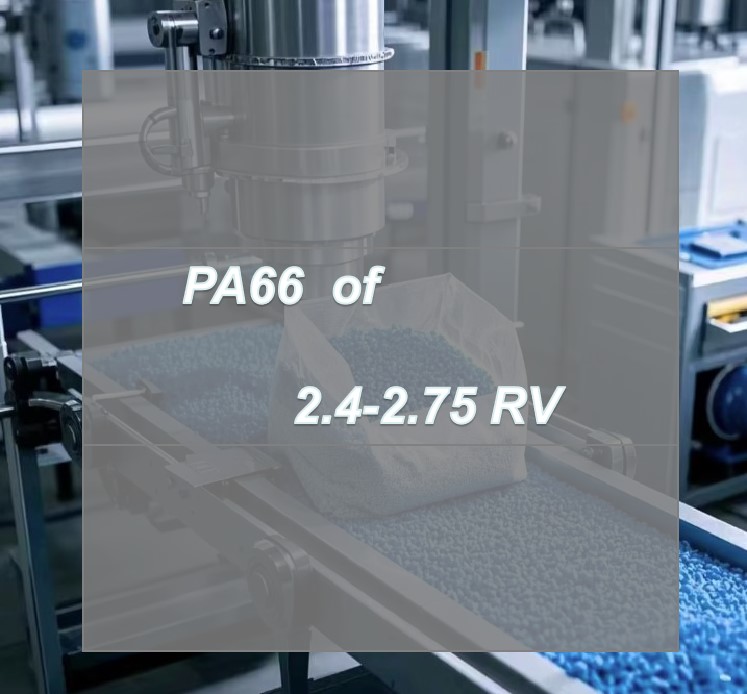
PA66 with 2.4-2.75 RV Properties, Applications, and Advantages for Demanding Projects
What is PA66?
PA66 is a strong plastic. It has a special number called RV. When the RV is between 2.4 and 2.75, the plastic works very well. This plastic can do many jobs. It is light but tough.
PA66 stands for Polyamide 66. It is also called nylon 66. Many people use it to make parts for cars, tools, and other things.

Improving the Flowability of Carbon Fiber Nylon Composite Materials
Why Use These Materials for Engine Covers?
Engine covers need to be:
Strong
Heat-safe
Light
Long-lasting
PA66 with glass fiber meets all these needs! Let’s see why they are so good.
Where is Glass Fiber Reinforced PA612 used?
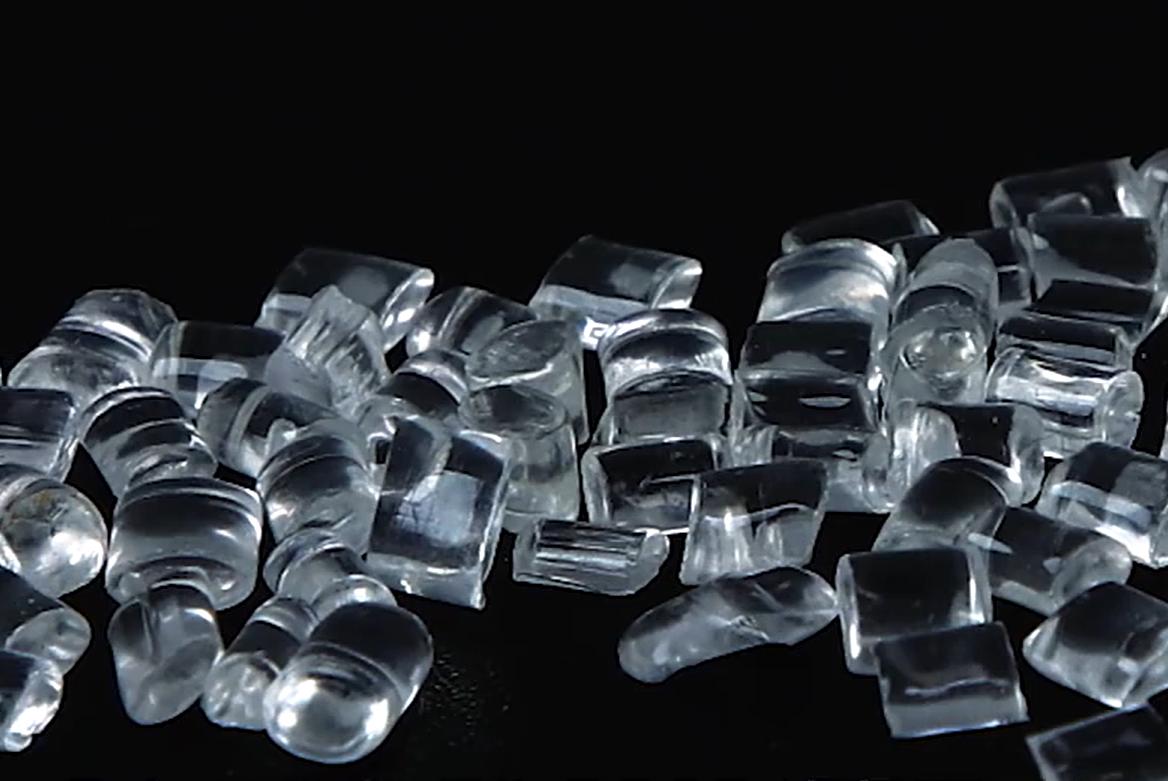
Glass Fiber Reinforced PA612 is a strong plastic. It is made with PA612 (also called Polyamide 612) mixed with glass fibers. The glass makes the plastic stronger. It also helps it not melt in hot places. This plastic does not soak up water like other plastics.
what is the differences of Carbon Fiber Reinforced Nylon and Glass Fiber Reinforced Nylon?
What Is Nylon 48% Glass Fiber?
Nylon 48% glass fiber is a strong mix. It has nylon and glass bits. The nylon bends. The glass makes it tough. This mix is perfect for umbrella ribs.

What is the Difference Between Nylon and Glass-Filled Nylon?
Nylon is a type of plastic. It is soft and can bend.
Glass-filled nylon is nylon with tiny bits of glass in it. The glass makes it stronger.

What is PA66 GF35 Material
PA66 GF35 is a special plastic. It has two parts. The first part is nylon (PA66). The second part is glass. The 35 means it has 35% glass in it. The glass makes the plastic stronger.