
What Is Carbon Fiber Ratio?
Carbon fiber is a thin string. It is very strong. Plastic is soft but can be shaped. When we mix them, we get CFRP. The ratio tells us how much fiber and how much plastic we use.
Think of it like making a cake. If you add more eggs, the cake is different. If you add more carbon fiber, the CFRP is different too.
The ratio is very important. It changes how the CFRP works.
How Fiber Ratios Change Material Behavior
When we change the ratio of fiber to plastic, many things change:
Strength Changes
- Low fiber (30-40%): Not as strong
- Medium fiber (40-50%): Good mix of strong and not too costly
- High fiber (50-70%): Very strong but costs more
Look at this table:
| Fiber Ratio | Strength | Cost | Weight |
|---|---|---|---|
| 35% | 620 MPa | Low | Medium |
| 45% | 850 MPa | Medium | Low |
| 60% | 1,140 MPa | High | Very Low |
What Happens After a Hit?
When something hits CFRP, it can crack. The ratio changes how it acts after a hit.
- 35% fiber keeps only 61% strength after a hit
- 50% fiber keeps 82% strength after a hit
This is why planes use more fiber. They need to stay strong if a bird hits them.
Best Ratios for Different Jobs
Not all jobs need the same ratio. Here is what works best:
For Cars
Cars need parts that don't break in a crash but don't cost too much.
- Best ratio: 35-45% fiber
- Why: Good at taking hits, not too costly
- Trade-off: Not as stiff as high fiber
The Tesla truck uses 45% fiber in its bed. It costs 28% less than metal but can get dents a bit more.
For Planes
Planes need to be very light and very strong.
- Best ratio: 55-70% fiber
- Why: Very strong and very light
- Trade-off: Costs more
The Airbus A350 uses 62% fiber in its wing tips. They are 40% lighter than metal and last for 5 million flights.
For Wind Power
Wind power needs big blades that don't break in storms.
- Best ratio: 50-60% fiber
- Why: Strong in big winds
- Trade-off: Hard to make
Siemens uses 58% fiber in their wind blades. They can take 12% more stress than blades with 50% fiber.
How We Test CFRP
To know if CFRP is good, we need to test it. Here are the tests:
- Hit test: We drop a weight on it
- Sound test: We use sound waves to find cracks
- Push test: We push on it after a hit to see if it breaks
- Computer test: We use math to guess how it will act
These tests help us pick the right ratio for each job.
Real World Examples
Let's see how CFRP works in real life:
Porsche Car Seats
Porsche uses CFRP with 42% fiber for car seats.
- Result: 31% lighter than steel
- Saves: $18 for each seat
- Bonus: Car goes faster with less weight
Boeing Plane Wings
Boeing uses CFRP with 60% fiber for plane wings.
- Result: Wings last 6.8 times longer than metal wings
- Saves: Lots of fuel because the plane is lighter
- Bonus: Less need to check for cracks
New Ideas for CFRP
CFRP keeps getting better. Here are new ideas:
Recycled CFRP
Old CFRP can be used again.
- Mix: 30% old fiber + 25% new fiber
- Saves: $7.50 for each kg
- Green: Less waste
3D Printed CFRP
We can now print CFRP parts.
- Cool part: We can control the ratio very well (only 2% off)
- Better: Parts can be any shape we want
- Faster: Less time to make parts
Why CFRP Ratio Matters
The ratio of fiber to plastic in CFRP is like a recipe. If you get it right, you get:
- Lighter parts that use less fuel
- Stronger parts that don't break
- Cheaper parts that save money
But if you get it wrong, you might waste money or make parts that break.
Market Growth
More and more people want CFRP. The market was worth $28 billion in 2024. It will grow to $54 billion by 2030. That's a lot of CFRP!
Why is it growing so fast? Because CFRP helps:
- Cars use less gas
- Planes fly farther
- Wind power make more power
- Phones and bikes be lighter
Problems with CFRP
CFRP is not perfect. It has some problems:
Hard to Recycle
Old CFRP loses 30-40% of its strength when recycled.
Fix: Mix old and new fibers together.
Costs a Lot
High fiber CFRP (>60%) costs $52 per kg. That's a lot!
Fix: Use better ways to mix the fiber and plastic.
Gets Wet
CFRP with 50% plastic can soak up 7% water when it's wet.
Fix: Add special coatings to keep water out.
How to Choose the Right Ratio
To pick the right ratio for your job, ask:
- How strong does it need to be?
- How light does it need to be?
- How much can you spend?
- Will it get hit a lot?
Then use this guide:
- Need very strong, cost is OK: Use 60%+ fiber
- Need strong but watch cost: Use 45-55% fiber
- Need cheap but still good: Use 35-45% fiber
Our CFRP Products
At our factory, we make top carbon fiber nylon with perfect ratios. Our team knows how to make CFRP that:
- Is very strong
- Costs less
- Lasts a long time
- Works for your job
We sell carbon fibre reinforced plastic with many different ratios. From 30% to 70% fiber, we have what you need.
Our polyamide 66 glass fiber reinforced products are also very good. They work well when you need something between CFRP and plain plastic.
Want to know more? Call us! We can help you pick the right ratio for your job. Our team knows all about CFRP and can make just what you need.
Sum Up
The ratio of fiber to plastic in CFRP changes how it works. More fiber makes it stronger but costs more. Less fiber makes it cheaper but not as strong.
Pick the right ratio for your job:
- Cars: 35-45%
- Planes: 55-70%
- Wind power: 50-60%
CFRP is growing fast. More and more people want it. Our factory makes the best CFRP with the right ratio for any job.
Call us to learn more!
[^1]: Market data from Global Carbon Fiber Market Report 2025 [^2]: Strength testing data from Materials Science and Engineering Journal [^3]: Aerospace application data from Airbus Technical Publications [^4]: Automotive testing data from SAE International Papers
Hi, I'm Ivy! My focus is on reinforced polyamides and PP – materials that deliver exceptional performance for demanding applications. I offer expertise in formulation, processing, and application development. Contact me to learn more!


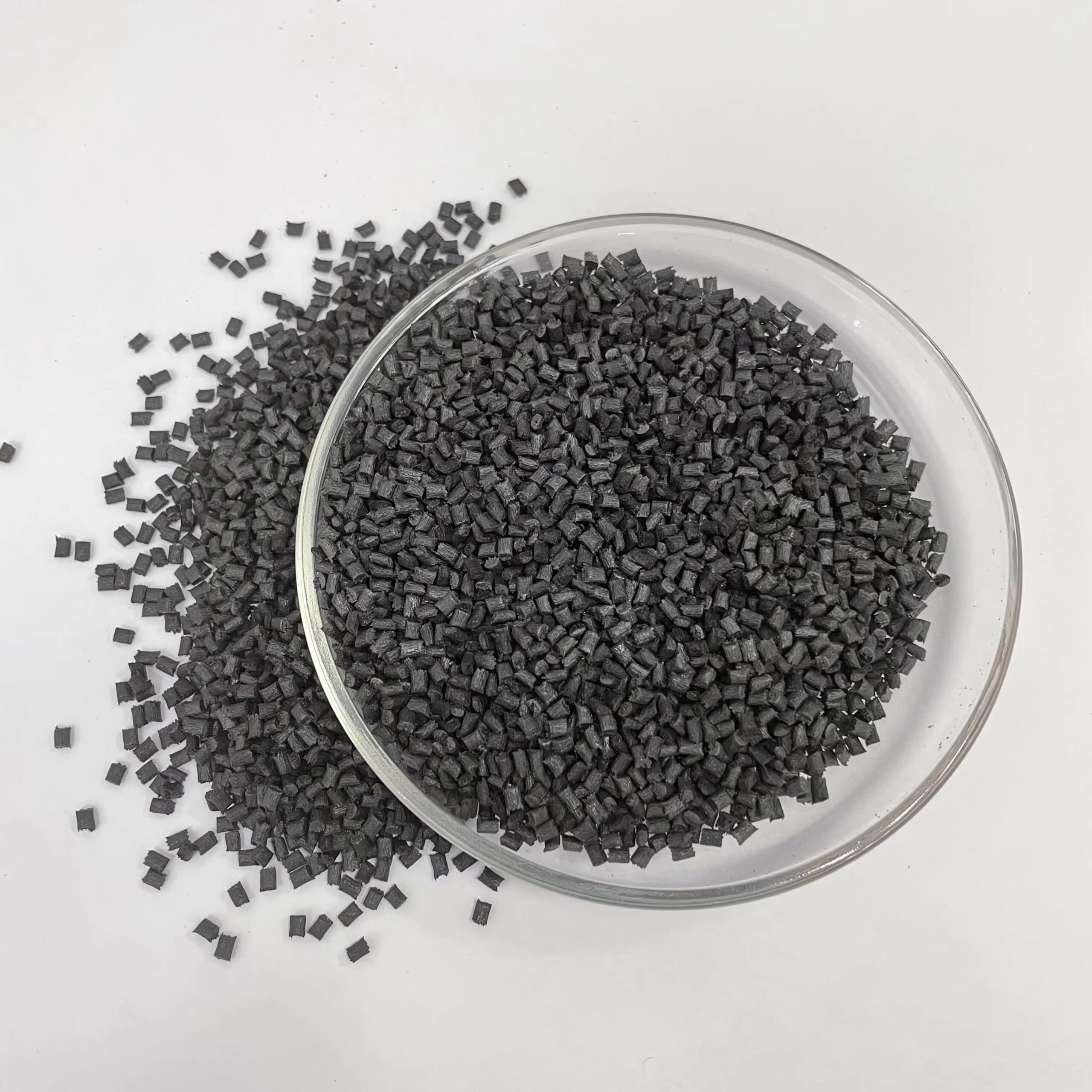
Nylon 48% Glass Fiber for Strong Umbrella Ribs
What Is Nylon 48% Glass Fiber?
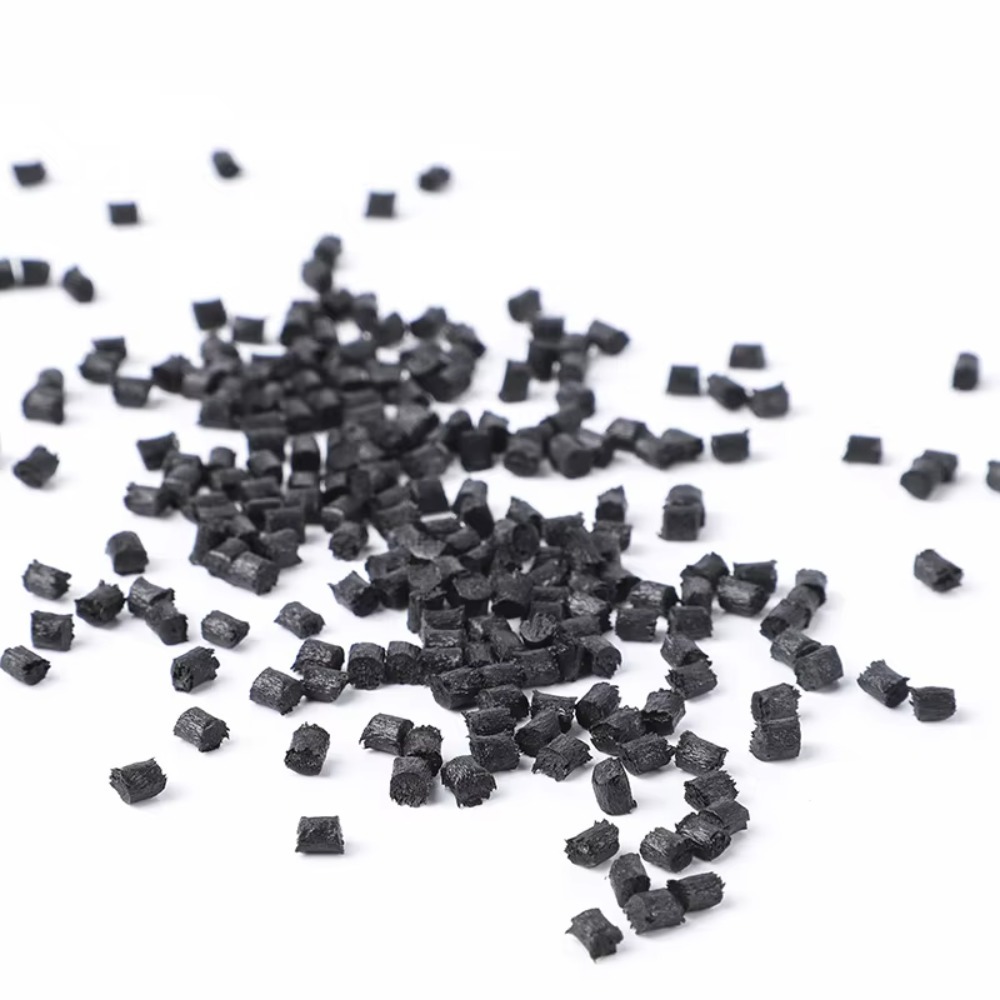
Nylon 48% glass fiber is a strong mix. It has nylon and glass bits. The nylon bends. The glass makes it tough. This mix is perfect for umbrella ribs.

What is the Difference Between Nylon and Glass-Filled Nylon?
Nylon is a type of plastic. It is soft and can bend.
Glass-filled nylon is nylon with tiny bits of glass in it. The glass makes it stronger.
Focusing on Medical Nylon: “What” Grades (like PA12) are Used in “Which” Specific Medical Scenarios? – Detailed Case Studies
Antistatic nylonis a special plastic. It stops static. Static is the zap you feel sometimes. This plastic is very strong. It is used in many things we see every .

What is PA66 GF35 Material
PA66 GF35 is a special plastic. It has two parts. The first part is nylon (PA66). The second part is glass. The 35 means it has 35% glass in it. The glass makes the plastic stronger.

Nylon 6 vs. Nylon 66 What’s the Difference?
What Are These Plastic Things?
Nylon 6 and Nylon 66 are strong plastics. Many things we use every day have these plastics in them. They are both in the polyamide family. That means they are made of the same kind of stuff.
Let’s look at what makes them the same and what makes them different.
How Recycled Nylon is Made: A Guide to the Manufacturing Process
What is Recycled Nylon?
Recycled nylon is made from old things. It helps our world. We make new things from old things. This is good!
Recycled nylon comes from:
Old fishing nets
Old clothes
Nylon 6 vs. Nylon 66 What’s the Difference?
What Are These Plastic Things?
Nylon 6 and Nylon 66 are strong plastics. Many things we use every day have these plastics in them. They are both in the polyamide family. That means they are made of the same kind of stuff.
Let’s look at what makes them the same and what makes them different.
What is the Difference Between Nylon and Glass-Filled Nylon?
Nylon is a type of plastic. It is soft and can bend.
Glass-filled nylon is nylon with tiny bits of glass in it. The glass makes it stronger.