
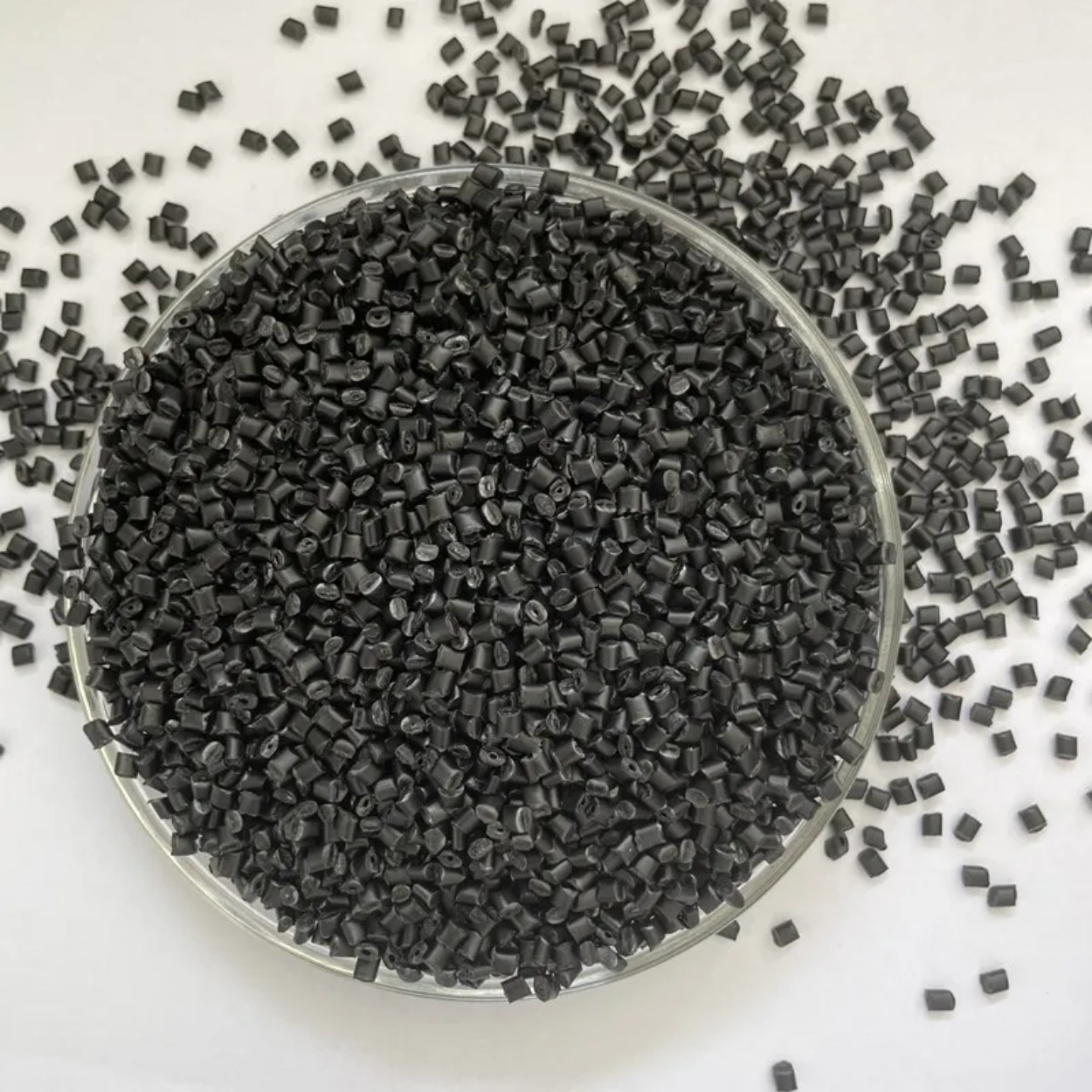
What is Recycled Nylon?
Recycled nylon is made from old things. It helps our world. We make new things from old things. This is good!
Recycled nylon comes from:
- Old fishing nets
- Old clothes
- Carpet scraps
- Plastic bottles
- Factory leftovers
Why Recycled Nylon Matters
Recycled nylon helps our Earth. It uses less energy. It makes less trash. It saves fish and animals in the sea.
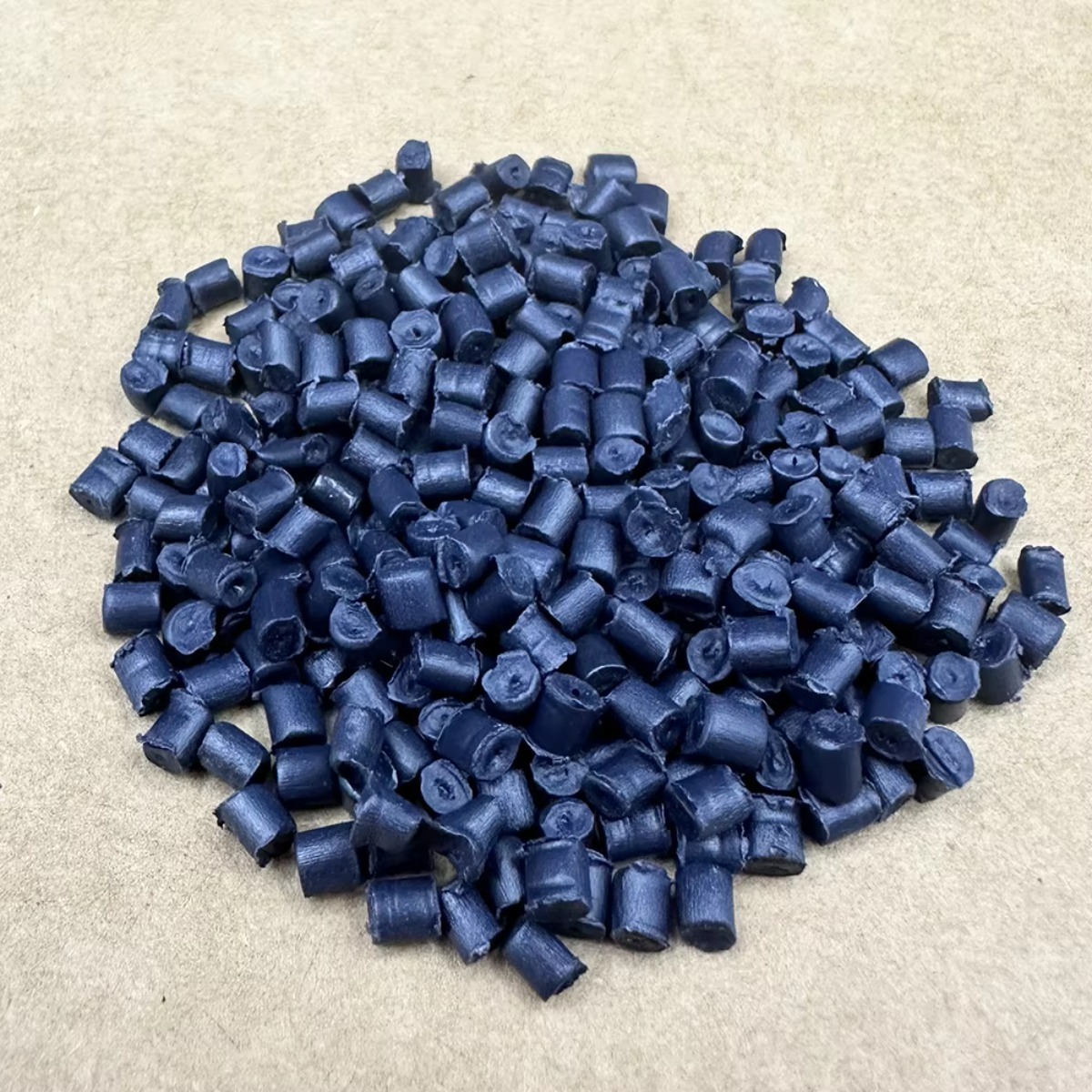
The recycled nylon market is growing fast! It was worth $0.5 billion in 2024. It will grow to $1.04 billion by 2033.
How We Make Recycled Nylon: Step by Step
Step 1: Collecting the Old Nylon
First, we need to find old nylon. People pick up:
- Fishing nets from the ocean
- Old carpets from homes
- Scraps from factories
Did you know? About 80% of recycled nylon comes from things people used before.
Step 2: Cleaning and Sorting
Next, we must clean all the old nylon. We:
- Wash off dirt
- Take out metal parts
- Sort by color and type
Step 3: Cutting into Small Pieces
The clean nylon gets cut into tiny bits. This makes it ready for the next step.
Step 4: Breaking Down with Hydrolysis
This is the big step! We use a process called hydrolysis. It uses:
- Hot water
- Special chemicals like sulfuric acid
- Sodium hydroxide
These break the nylon down to its tiny building blocks.
Step 5: Making New Nylon
Now we can make new nylon! The tiny building blocks join back together to make fresh nylon that's just as good as new.
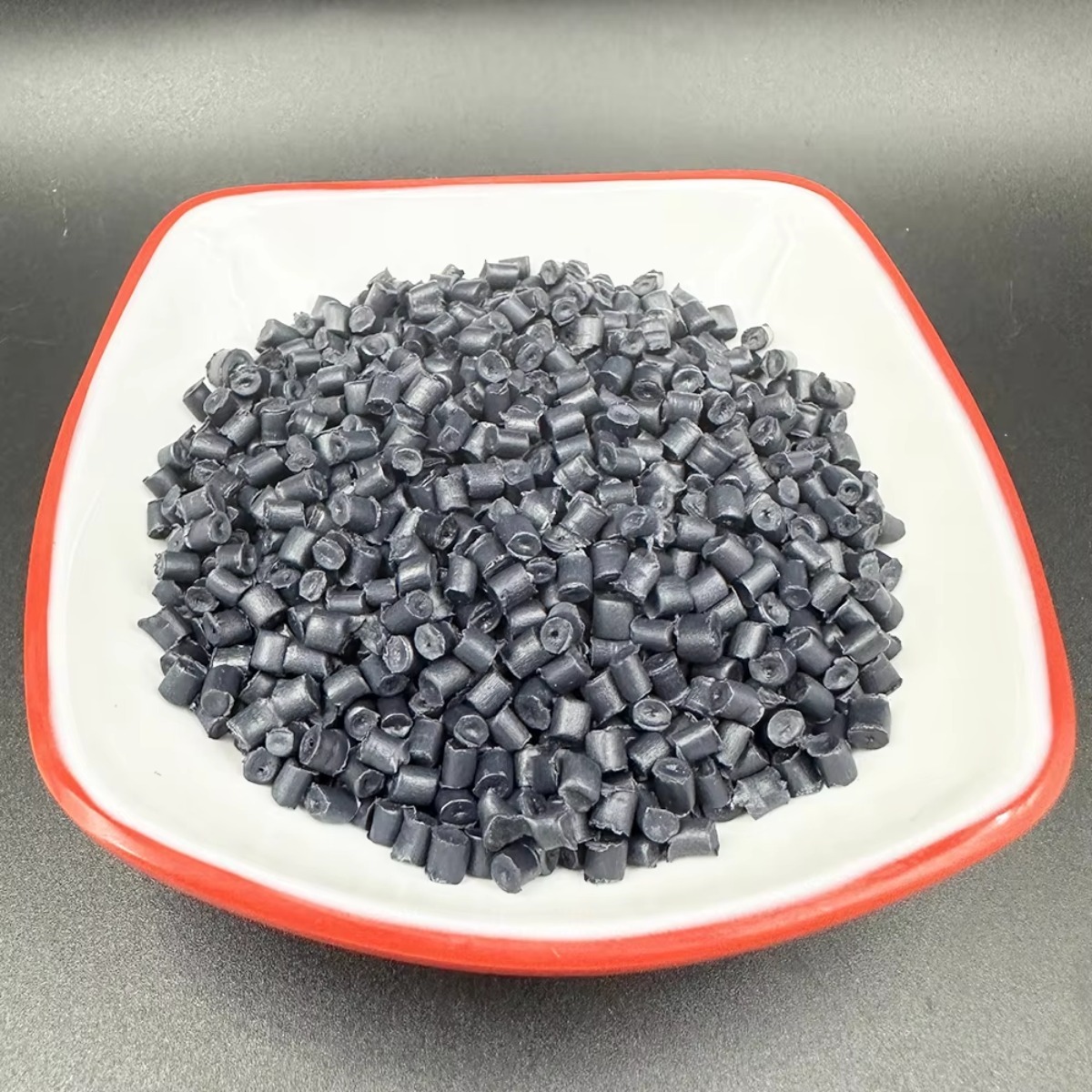
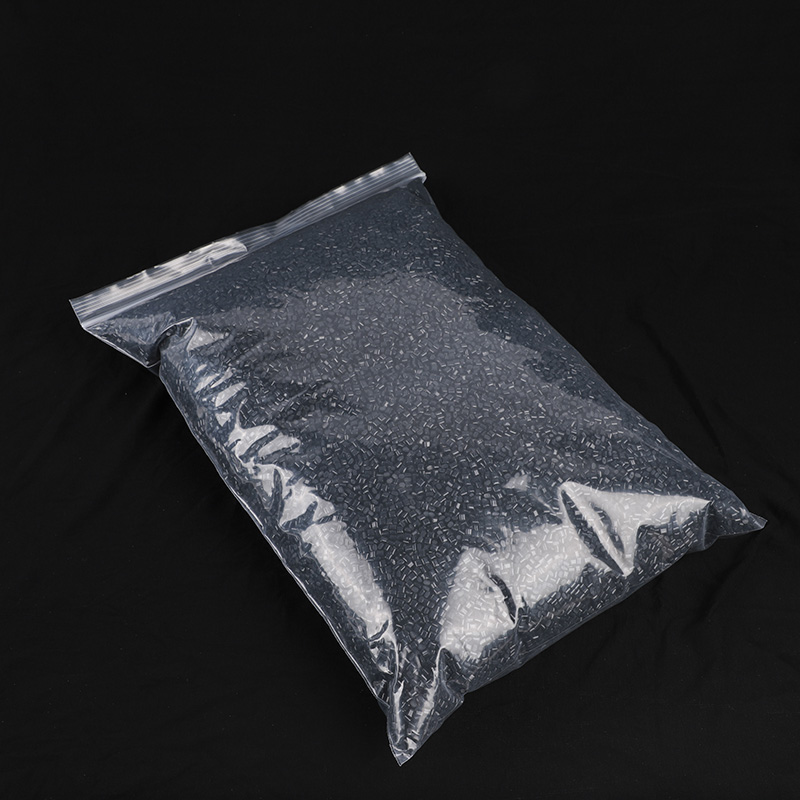
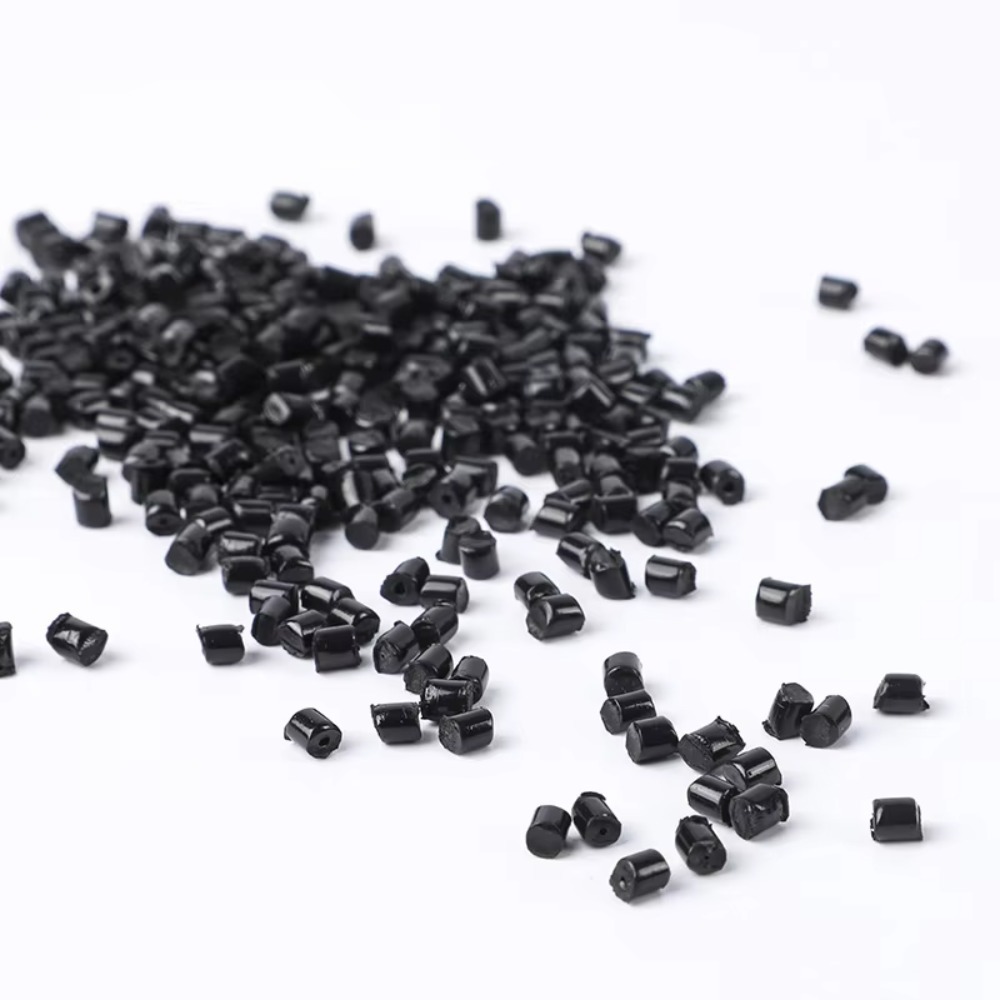
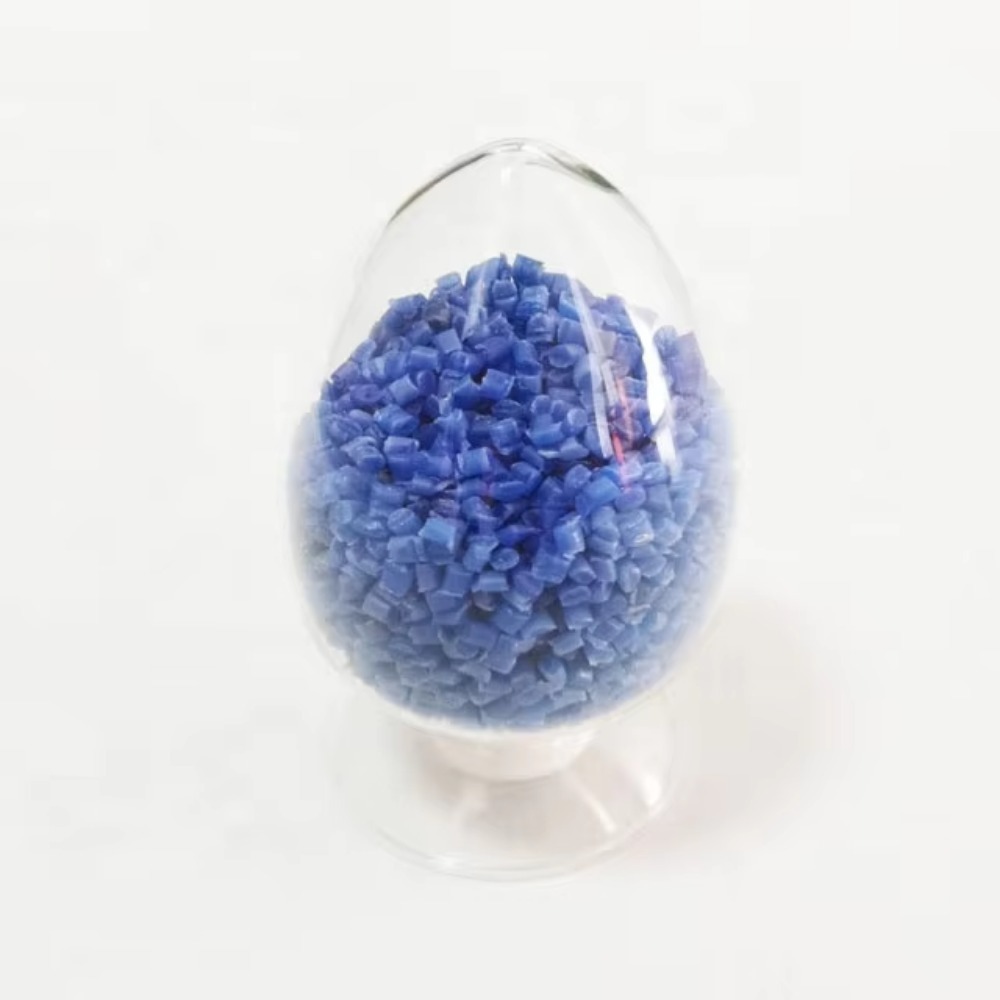
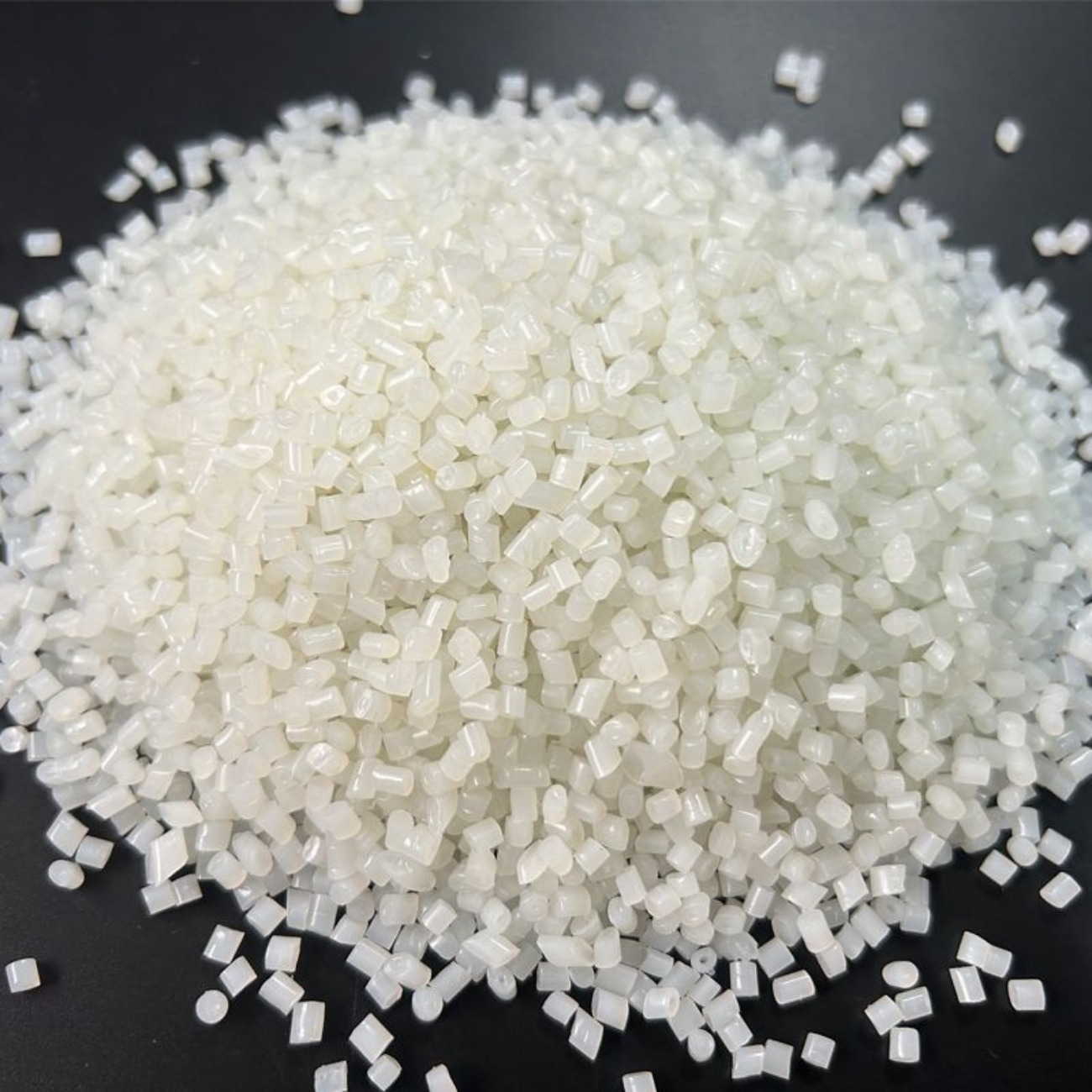
You can see examples of recycled nylon granules that come from this process.
Recycled Nylon By the Numbers
| Fact | Number |
|---|---|
| Market growth rate | 8.51% each year |
| Energy saved vs. new nylon | 60% less |
| CO₂ reduction | 40-60% less |
| Global recycling rate | Less than 2% |
| Market value by 2033 | $1.04 billion |
Success Stories: Who Uses Recycled Nylon?
Many big companies now use recycled nylon:
ECONYL® makes swimsuits and sports clothes from 100% recycled nylon.
Toray makes jackets called "Torrent shell jackets" with 100% recycled nylon outside.
Patagonia uses recycled nylon in many of their outdoor clothes.
You can find many products made with recycled nylon 6 granules in stores today.
Types of Recycled Nylon
There are two main kinds:
1. Post-Consumer Recycled Nylon
This comes from things people used and threw away:
- Old clothes
- Fishing nets
- Carpets
2. Post-Industrial Recycled Nylon
This comes from factories:
- Scraps left over from making things
- Test samples
- Unused materials
Many products use recycled nylon 6 pellets from both sources.
Benefits of Recycled Nylon
Recycled nylon is good for many reasons:
- Saves energy: Uses 60% less energy than making new nylon
- Reduces trash: Keeps plastic out of oceans and dumps
- Helps fish: Saves sea animals from old fishing nets
- Cuts pollution: Makes 40-60% less CO₂
- Works great: Is just as strong as new nylon
Challenges with Recycled Nylon
Making recycled nylon can be hard:
- Finding enough old nylon to recycle
- Cleaning very dirty materials
- Separating mixed fabrics
- Making the process cost less
The Future of Recycled Nylon
The recycled nylon business is growing fast! More companies want to use it.
New ideas are coming too:
- Bio-based nylon made from plants
- Better ways to collect old nylon
- New machines to sort mixed fabrics
One cool example is Ecodear N510 by Toray. It's 100% made from plant sugars!
How You Can Help
You can help make more recycled nylon:
- Buy clothes made with recycled nylon
- Recycle your old nylon items
- Pick up trash at beaches
- Tell friends about recycled nylon
- Ask stores to sell more recycled nylon products
Recycled Nylon vs. New Nylon
| Feature | Recycled Nylon | New Nylon |
|---|---|---|
| Energy use | 40% of new nylon | 100% (more) |
| CO₂ made | 40-60% less | 100% (more) |
| Ocean trash | Helps clean up | Makes more |
| Cost | A bit more | A bit less |
| How it works | Just as good | Just as good |
| How it feels | The same | The same |
Wrap-Up
Recycled nylon helps our Earth. It takes old trash and makes new things. It saves energy and cuts pollution.
The recycled nylon market is growing fast. More companies use it every day. You can help by buying recycled nylon products.
Next time you shop, look for tags that say "made with recycled nylon." You'll help make our world better!
Hi, I'm Ivy! My focus is on reinforced polyamides and PP – materials that deliver exceptional performance for demanding applications. I offer expertise in formulation, processing, and application development. Contact me to learn more!

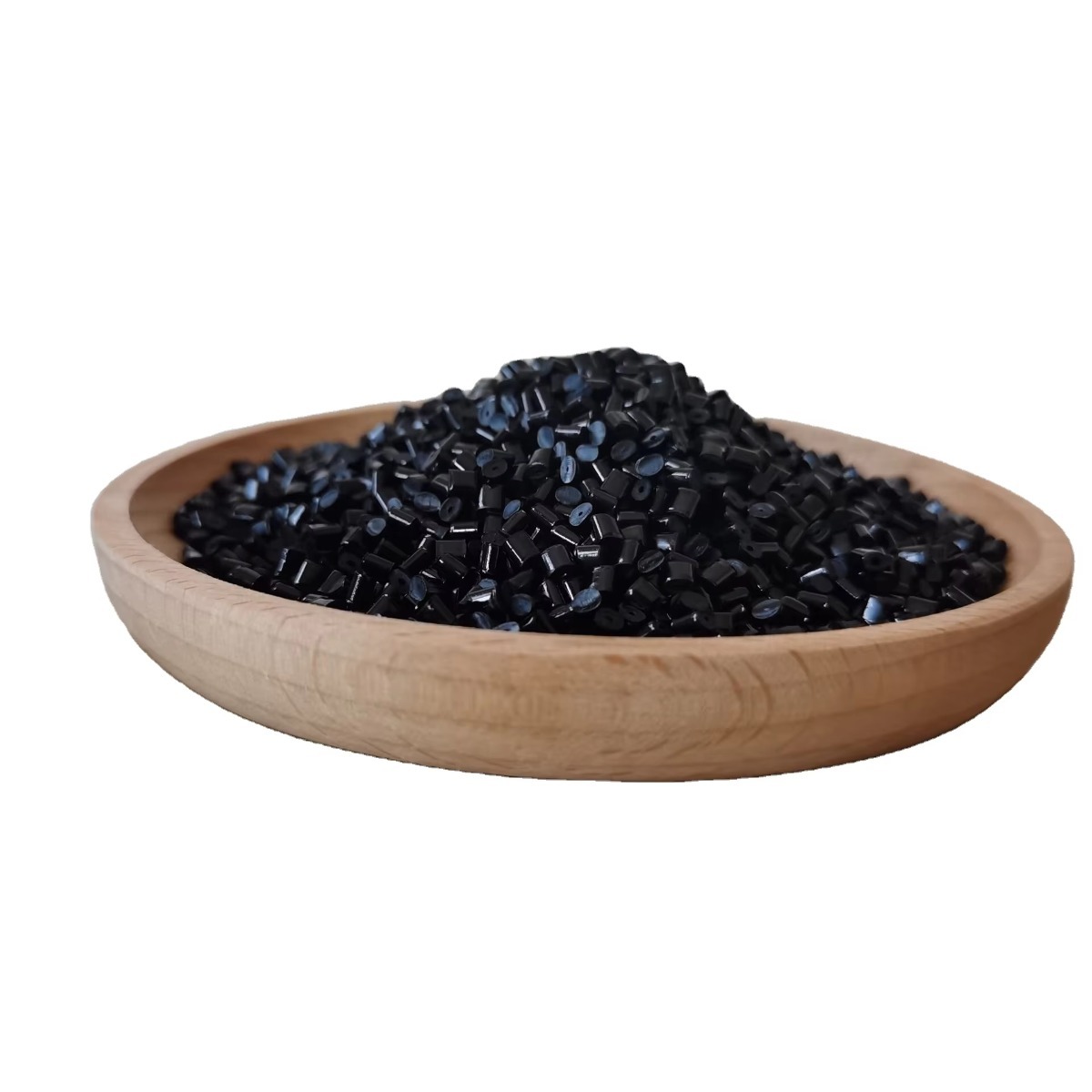
What is Glass Filled Polypropylene?
Glass Fiber Reinforced Polypropylene is a special plastic. It has glass fibers mixed into regular plastic. This makes it strong and light.
Many cars, planes, and buildings use this special plastic. It does not rust like metal. It is not as heavy as metal too.
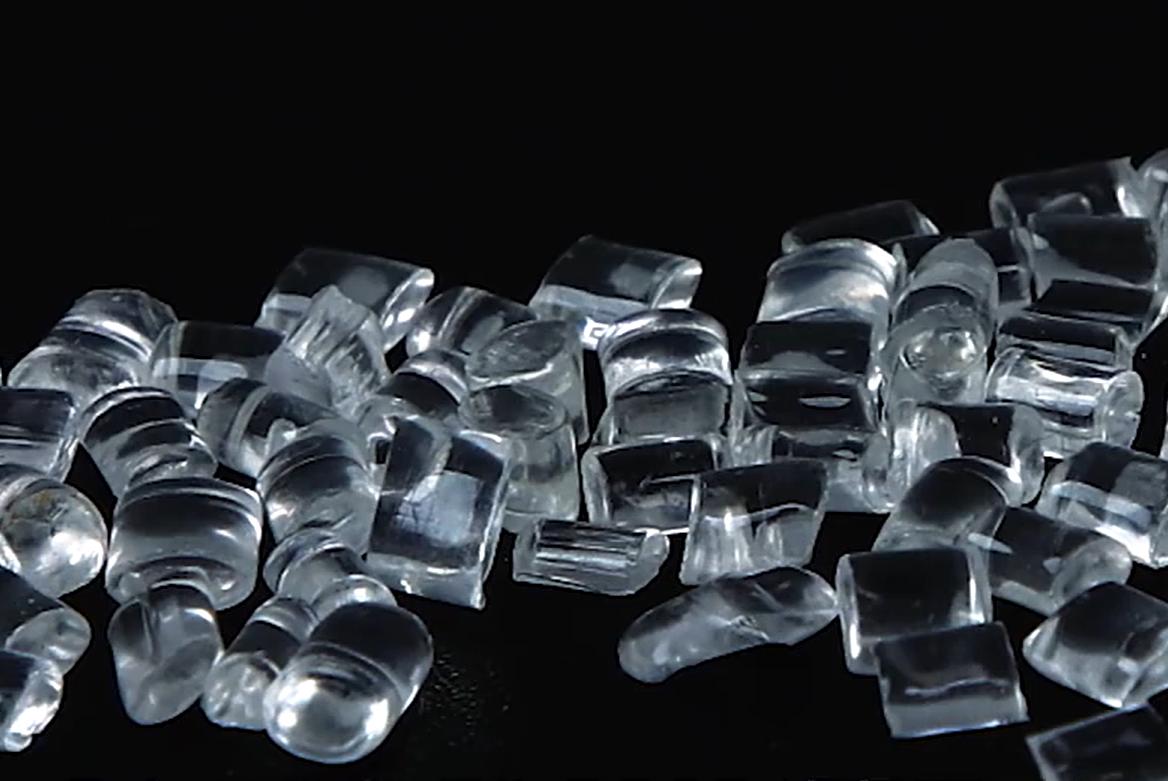
Where is Glass Fiber Reinforced PA612 used?
Glass Fiber Reinforced PA612 is a strong plastic. It is made with PA612 (also called Polyamide 612) mixed with glass fibers. The glass makes the plastic stronger. It also helps it not melt in hot places. This plastic does not soak up water like other plastics.

Nylon 6 vs. Nylon 66 What’s the Difference?
What Are These Plastic Things?
Nylon 6 and Nylon 66 are strong plastics. Many things we use every day have these plastics in them. They are both in the polyamide family. That means they are made of the same kind of stuff.
Let’s look at what makes them the same and what makes them different.
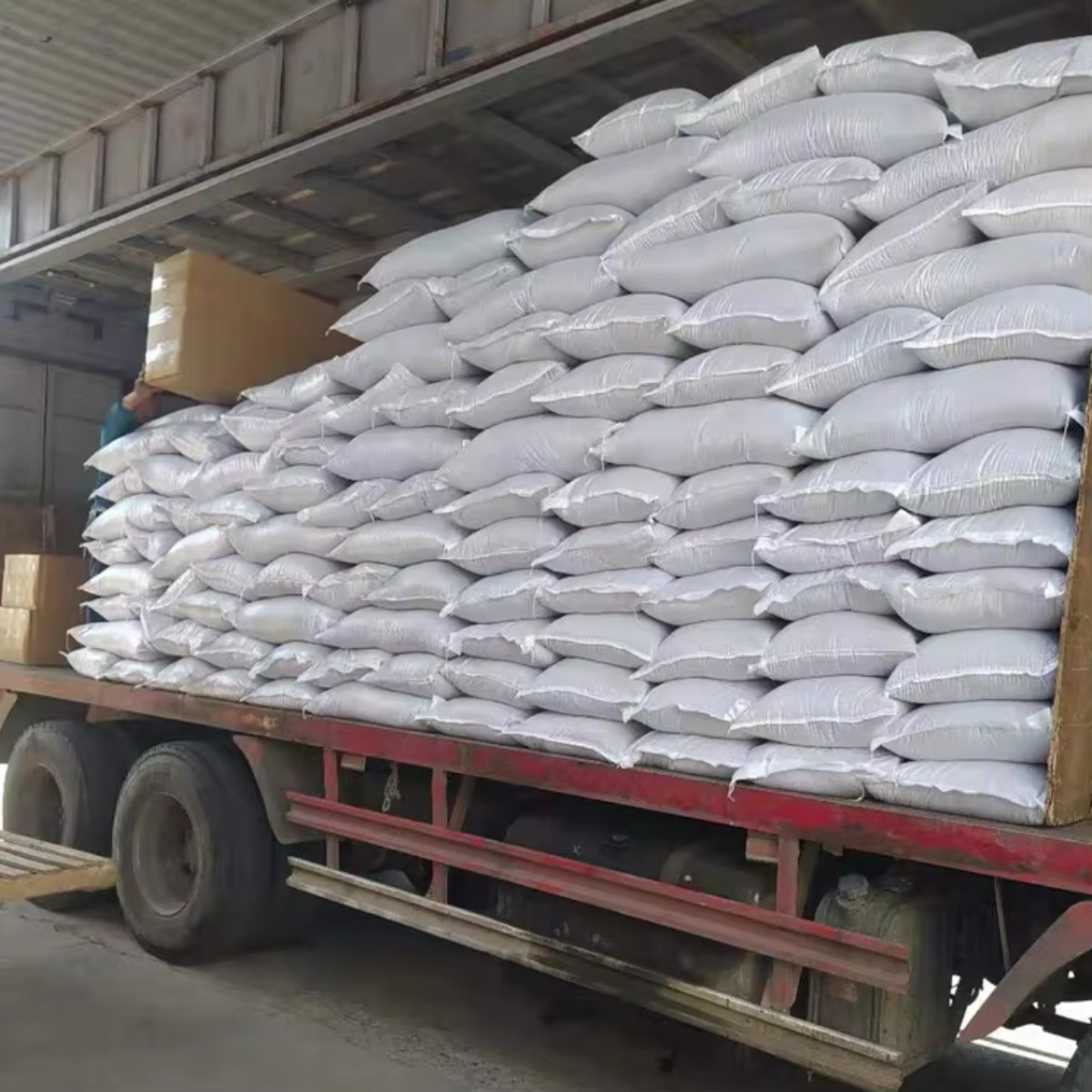
Nylon 48% Glass Fiber for Strong Umbrella Ribs
What Is Nylon 48% Glass Fiber?
Nylon 48% glass fiber is a strong mix. It has nylon and glass bits. The nylon bends. The glass makes it tough. This mix is perfect for umbrella ribs.

Why Choose PA66 GF25 or PA66 GF30 Glass Fiber for Engine Cover?
Why Use These Materials for Engine Covers?
Engine covers need to be:
Strong
Heat-safe
Light
Long-lasting
PA66 with glass fiber meets all these needs! Let’s see why they are so good.
Improving the Flowability of Carbon Fiber Nylon Composite Materials
Why Use These Materials for Engine Covers?
Engine covers need to be:
Strong
Heat-safe
Light
Long-lasting
PA66 with glass fiber meets all these needs! Let’s see why they are so good.
Nylon 48% Glass Fiber for Strong Umbrella Ribs
What Is Nylon 48% Glass Fiber?
Nylon 48% glass fiber is a strong mix. It has nylon and glass bits. The nylon bends. The glass makes it tough. This mix is perfect for umbrella ribs.
How Recycled Nylon is Made: A Guide to the Manufacturing Process
What is Recycled Nylon?
Recycled nylon is made from old things. It helps our world. We make new things from old things. This is good!
Recycled nylon comes from:
Old fishing nets
Old clothes