
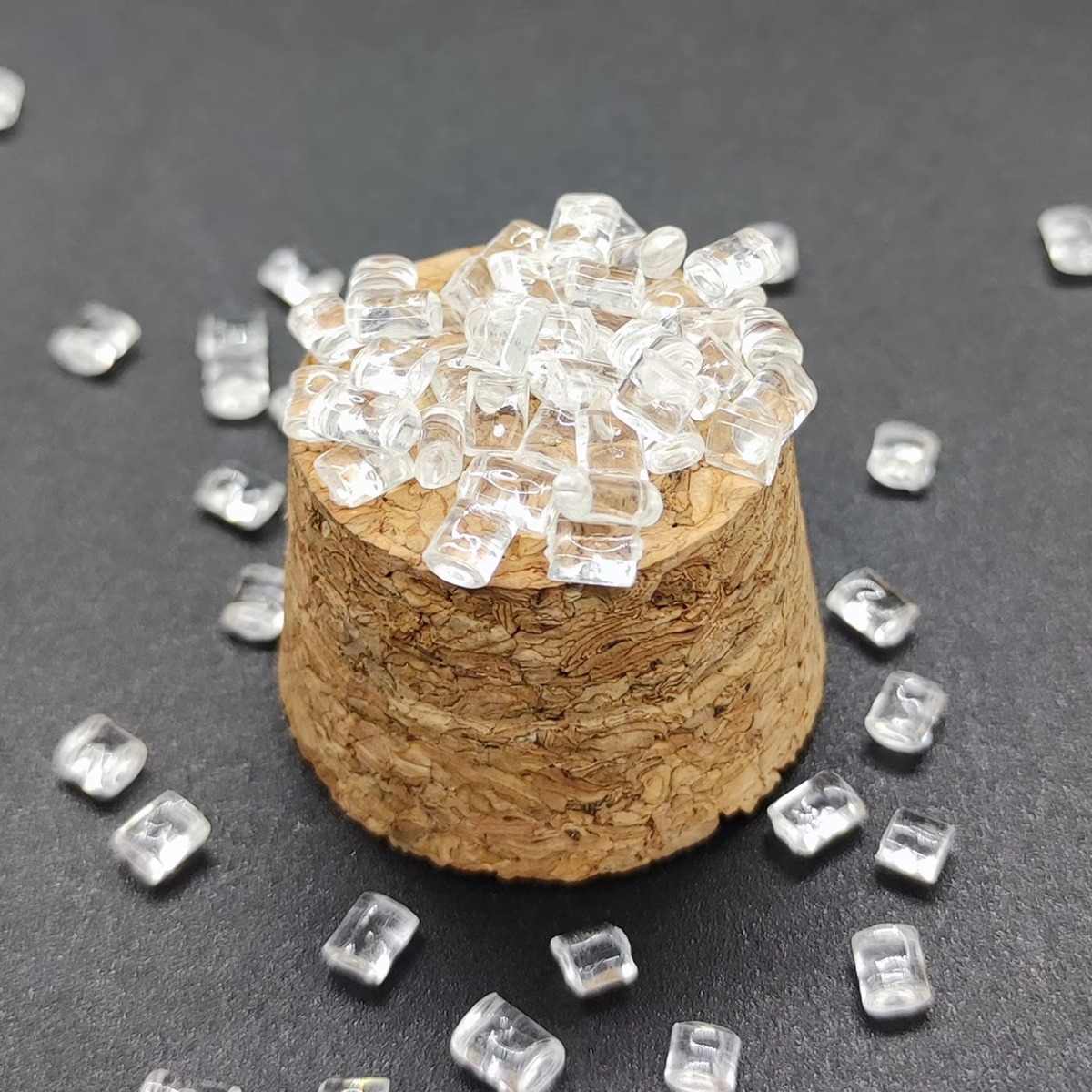
What Are These Things?
Nylon is a plastic. When we add fibers to it, it gets stronger. There are two main types of fibers we can add:
- Glass fibers
- Carbon fibers
Let's see how they are different!
How Strong Are They?
Both make nylon stronger, but in different ways:
- Carbon fiber nylon is 3 times stronger than plain nylon [^1]
- Glass fiber nylon is strong too, but not as light [^2]
When we make things with a 3D printer, carbon filled nylon keeps 90% of its strength! That is very good. [^3]
How Heavy Are They?
Weight is a big deal! Look at this:
- Carbon fiber nylon is 55% lighter than metal [^4]
- Glass fiber nylon is heavier than carbon fiber nylon [^5]
If you need something light, pick carbon fiber. If weight is not a big deal, glass fiber might work fine.
What About Cost?
Money matters! Here's what you need to know:
- Carbon fiber nylon costs more money [^6]
- Glass fiber nylon is cheaper [^7]
- Carbon fiber has gotten 30% cheaper since 2020, but still costs more [^8]
A Big Table of Differences
| What We Compare | Carbon Fiber Nylon | Glass Fiber Nylon |
|---|---|---|
| Strength | Very strong (3× more than plain nylon) | Strong but less than carbon |
| Weight | Very light (55% lighter than metal) | Heavier than carbon fiber |
| Cost | More expensive | Less expensive |
| Heat Handling | Good but can warp | Very good with high heat |
| Shock Handling | Not good for big hits | Good for big hits |
| Shrinks When Cool | Very little (0.1%) | More (0.5-1.2%) |
What Are They Good For?
Carbon Fiber Nylon is Best For:
- Planes and drones (needs to be light)
- Boat parts (won't rust)
- Things that need to be exact sizes
- When weight matters most
Glass fiber nylon is Best For:
- Car parts
- Tool handles
- Things that get hit a lot
- When you need to make lots of something
- When cost matters most
3D Printing With These Materials
If you like to make things with a 3D printer, here's what you should know:
Carbon Fiber Nylon (PA CF):
- Needs a special nozzle that won't wear out
- Makes smooth parts
- Almost no shrinking (0.1%)
- Parts stay the right size
Glass Fiber Nylon:
- Layers stick together better
- Needs a hot bed to print well
- More shrinking (0.5-1.2%)
- Good for parts that get bumped
Real World Examples
- Glock gun frames use glass fiber nylon (GF20-30) because it can take big hits [^9]
- Drone parts often use carbon fiber nylon to stay light in the air
- Car gears use glass fiber nylon (70% of all glass nylon goes here!) [^10]
- Plane parts use carbon fiber nylon more and more (up 25% each year) [^11]
Which One Should You Pick?
Ask these questions:
Do you need it to be very light?
- Yes → Carbon Fiber Nylon
- No → Glass Fiber Nylon
Will it get hit or bumped a lot?
- Yes → Glass Fiber Nylon
- No → Carbon Fiber Nylon
Is cost a big deal?
- Yes → Glass Fiber Nylon
- No → Carbon Fiber Nylon
Does it need to be exact size?
- Yes → Carbon Fiber Nylon
- No → Glass Fiber Nylon
The Big Points to Remember
- Carbon fiber nylon is lighter, stronger, but costs more
- Glass fiber nylon is cheaper, better for big hits, and good for hot places
- Both are much better than plain nylon
- Pick based on what you need most: weight, strength, cost, or shock handling
What's New in These Materials?
- Carbon fiber costs have dropped 30% since 2020
- New ways to 3D print keep 90% of strength
- More car makers use these to make cars lighter
- Boats and planes use more carbon fiber each year
Sum It All Up
Both carbon fiber nylon and glass fiber nylon make plain nylon much better. They each have good points:
Carbon fiber nylon is best when you need something light and strong and don't mind the cost.
Glass fiber nylon is best when you need something that can take big hits, works in hot places, and needs to be cheaper.
Think about what you need most, then pick the right one for your job!
[^1]: Carbon fiber reinforced nylon is approximately 3 times stronger than standard nylon formulations. [^2]: Glass fiber nylon offers comparable strength but at higher density than carbon fiber variants. [^3]: 3D printed carbon fiber nylon retains over 90% of injection molded tensile strength. [^4]: Carbon fiber reinforced structures are 55% lighter than equivalent aluminum parts. [^5]: Glass fiber reinforced nylon is typically 15-30% denser than carbon fiber reinforced nylon. [^6]: Carbon fiber reinforced materials command a 40-50% price premium over glass fiber alternatives. [^7]: Glass fiber reinforced nylon remains the cost-effective choice for bulk production applications. [^8]: Production costs for carbon fiber reinforced nylon have decreased by 30% since 2020. [^9]: Glock firearm frames utilize GF20-30 nylon specifically for impact resistance. [^10]: Approximately 70% of glass fiber reinforced nylon production goes to automotive gearing applications. [^11]: Aerospace adoption of carbon fiber reinforced nylon has grown at approximately 25% year-over-year.
Hi, I'm Ivy! My focus is on reinforced polyamides and PP – materials that deliver exceptional performance for demanding applications. I offer expertise in formulation, processing, and application development. Contact me to learn more!

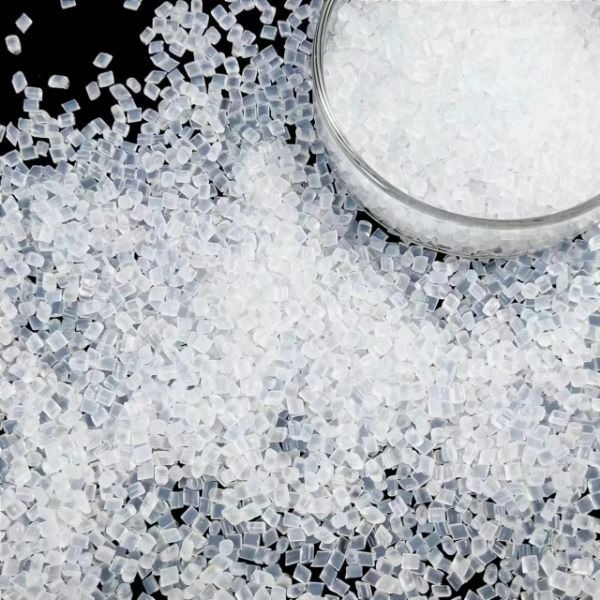

Why Choose PA66 GF25 or PA66 GF30 Glass Fiber for Engine Cover?
Why Use These Materials for Engine Covers?
Engine covers need to be:
Strong
Heat-safe
Light
Long-lasting
PA66 with glass fiber meets all these needs! Let’s see why they are so good.
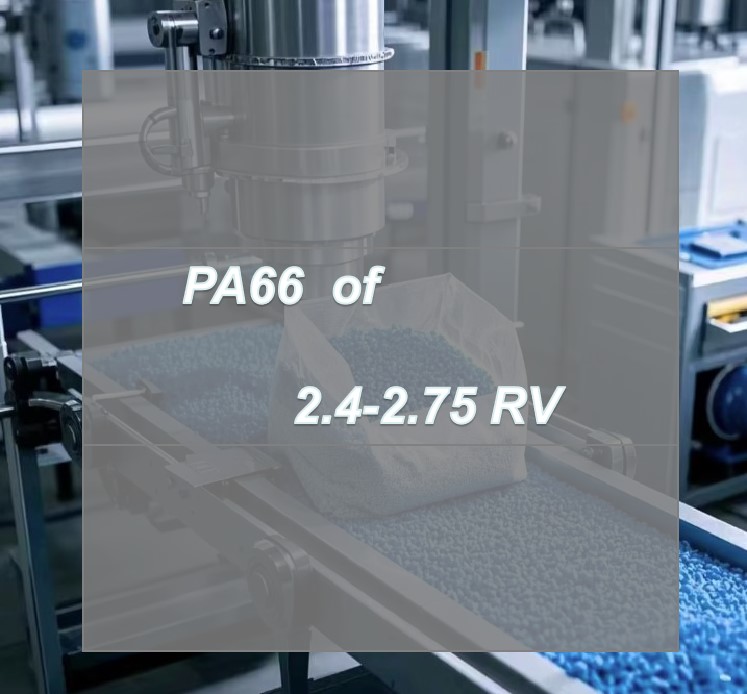
PA66 with 2.4-2.75 RV Properties, Applications, and Advantages for Demanding Projects
What is PA66?
PA66 is a strong plastic. It has a special number called RV. When the RV is between 2.4 and 2.75, the plastic works very well. This plastic can do many jobs. It is light but tough.
PA66 stands for Polyamide 66. It is also called nylon 66. Many people use it to make parts for cars, tools, and other things.
What is Glass Filled Polypropylene?
Glass Fiber Reinforced Polypropylene is a special plastic. It has glass fibers mixed into regular plastic. This makes it strong and light.
Many cars, planes, and buildings use this special plastic. It does not rust like metal. It is not as heavy as metal too.
Carbon Fiber Reinforced Plastic Ratio: Impact Analysis on Material Properties
What Is Nylon 48% Glass Fiber?
Nylon 48% glass fiber is a strong mix. It has nylon and glass bits. The nylon bends. The glass makes it tough. This mix is perfect for umbrella ribs.

What is PA66 GF35 Material
PA66 GF35 is a special plastic. It has two parts. The first part is nylon (PA66). The second part is glass. The 35 means it has 35% glass in it. The glass makes the plastic stronger.
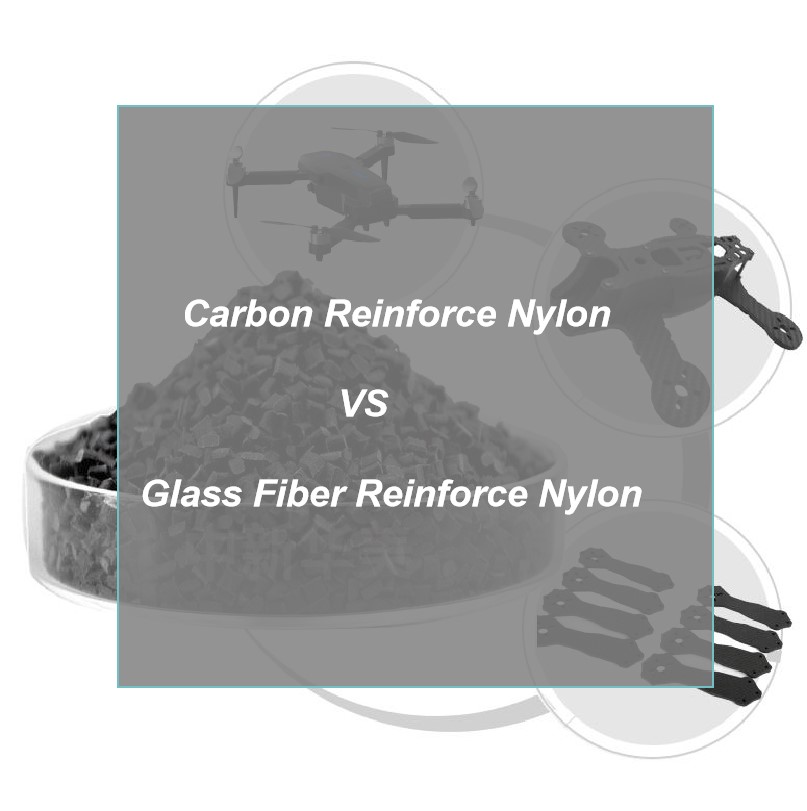
what is the differences of Carbon Fiber Reinforced Nylon and Glass Fiber Reinforced Nylon?
What Is Nylon 48% Glass Fiber?
Nylon 48% glass fiber is a strong mix. It has nylon and glass bits. The nylon bends. The glass makes it tough. This mix is perfect for umbrella ribs.

What is the Difference Between Nylon and Glass-Filled Nylon?
Nylon is a type of plastic. It is soft and can bend.
Glass-filled nylon is nylon with tiny bits of glass in it. The glass makes it stronger.
How Recycled Nylon is Made: A Guide to the Manufacturing Process
What is Recycled Nylon?
Recycled nylon is made from old things. It helps our world. We make new things from old things. This is good!
Recycled nylon comes from:
Old fishing nets
Old clothes