
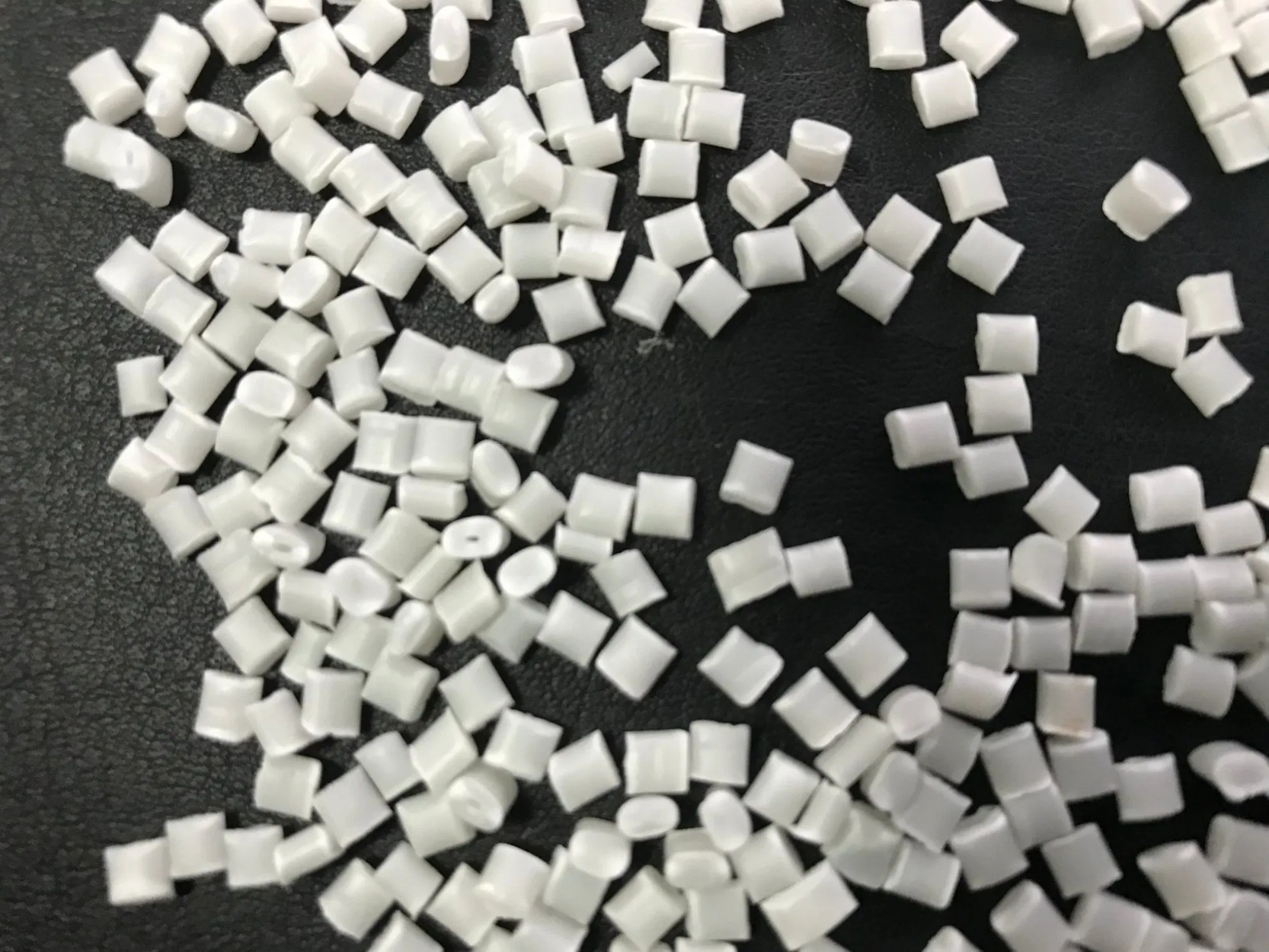
What Are PA66 GF25 & PA66 GF30?
PA66 GF25 and PA66 GF30 are special plastics. They are made with nylon and glass. PA66 GF25 has 25% glass. PA66 GF30 has 30% glass.
The glass makes these plastics strong. It helps them not melt when hot. This is why car makers like them for engine covers.

Why Use These Materials for Engine Covers?
Engine covers need to be:
- Strong
- Heat-safe
- Light
- Long-lasting
PA66 with glass fiber meets all these needs! Let's see why they are so good.
Top 5 Reasons to Pick PA66 GF25/GF30
1. They Can Take the Heat!
Engines get very hot. PA66 GF25 can handle heat up to 200°C. PA66 GF30 is even better - it works up to 220°C!
This means your engine cover will not melt or warp.
2. They Are Light but Strong
These materials are 30% lighter than steel. But they are still very strong! This helps cars use less gas.
3. They Fight Off Chemicals
Engine parts touch oil and gas all the time. PA66 GF25 and GF30 do not break down when this happens. They stay strong!
4. They Cut Down Noise
The glass in these plastics helps stop vibrations. This makes your car more quiet.
5. They Keep Their Shape
When it's hot, then cold, then hot again, these materials don't change shape much. This is called dimensional stability.
PA66 GF25 vs PA66 GF30: Which Is Better?
Let's look at how they are different:
| What We Compare | PA66 GF25 | PA66 GF30 | What This Means |
|---|---|---|---|
| Glass Amount | 25% glass | 30% glass | GF30 is stronger |
| Strength | 180 MPa | 220 MPa | GF30 is 22% stronger |
| Heat Safety | Up to 200°C | Up to 220°C | GF30 handles more heat |
| Cost | Lower cost | Higher cost | GF25 saves money |
| Best Use | Normal cars | Sports cars | Pick based on need |
When to Choose PA66 GF25
Choose PA66 GF25 when:
- You need to save money
- Your engine is not super hot
- You still need good strength
- The part is not under extreme stress
PA66 GF25 is a smart choice for most normal cars.
When to Choose PA66 GF30
Pick PA66 GF30 when:
- Your engine gets very hot
- You need extra strength
- The part must last a long time
- The cover is on the outside of the car
PA66 GF30 is best for high-performance cars and trucks.

How These Materials Beat Other Options
Let's see how PA66 GF25 and GF30 compare to other materials:
vs. Metal (Steel and Aluminum)
- 30% lighter than metal
- Does not rust
- Less noise
- Costs less to make
vs. Plain Plastic
- Much stronger
- Won't melt in heat
- Lasts longer
- Keeps its shape better
vs. Polycarbonate
- Better in high heat
- Resists oil and gas better
- More stiff and strong
Real-World Success Stories
Car makers around the world use these materials. Here are some success stories:
A sports car maker switched from aluminum to PA66 GF30 for engine covers. They cut weight by 30% and saved money too.
A truck company used PA66 GF25 for diesel engine covers. The covers lasted twice as long as the old ones.
An electric car maker used PA66 GF30 for battery covers. The material kept the batteries safe and cool.
How to Work With These Materials
If you make engine covers, here are tips:
- Dry the material before using it
- Use the right temperature when melting it
- Make sure your molds are strong
- Be careful when cutting it - the glass can wear out tools
Common Mistakes to Avoid
Don't make these mistakes:
- Using GF25 when you need GF30's heat protection
- Forgetting to add UV protection for outside parts
- Using too much recycled material
- Not drying the material first
Questions People Ask
Is GF30 worth the extra cost?
Yes, if your engine gets very hot or if the part needs to be super strong. For normal cars, GF25 is often good enough.
Can these replace metal completely?
Yes, in most cases! They work better than metal for engine covers. They are only not good for parts that rub together a lot.
How long do they last?
With the right design, PA66 GF25 and GF30 engine covers can last the whole life of the car - over 10 years!
Why More Car Makers Are Switching
Car companies are using more PA66 GF25 compound and PA66 GF30 because:
- Cars need to be lighter to use less gas
- These materials cost less than metal
- They can be made into complex shapes
- They help make cars more quiet
- They last a long time
Summary: Making the Right Choice
To pick between PA66 GF25 and PA66 GF30:
- Check how hot your engine gets
- Look at your budget
- Think about how strong the part needs to be
- Consider if it's inside or outside the car
Both materials are great choices for modern engine covers. They are strong, light, heat-safe, and cost-effective.
The glass fibers make all the difference! They turn regular nylon into a super-material that can handle the tough job of covering and protecting your engine.
Hi, I'm Ivy! My focus is on reinforced polyamides and PP – materials that deliver exceptional performance for demanding applications. I offer expertise in formulation, processing, and application development. Contact me to learn more!

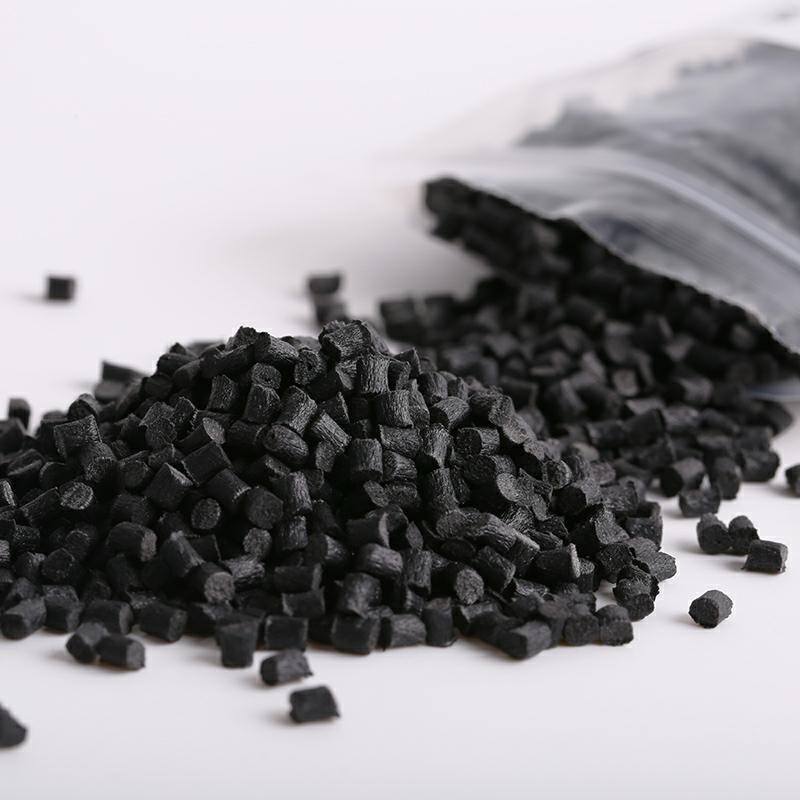

What is PA66 GF35 Material
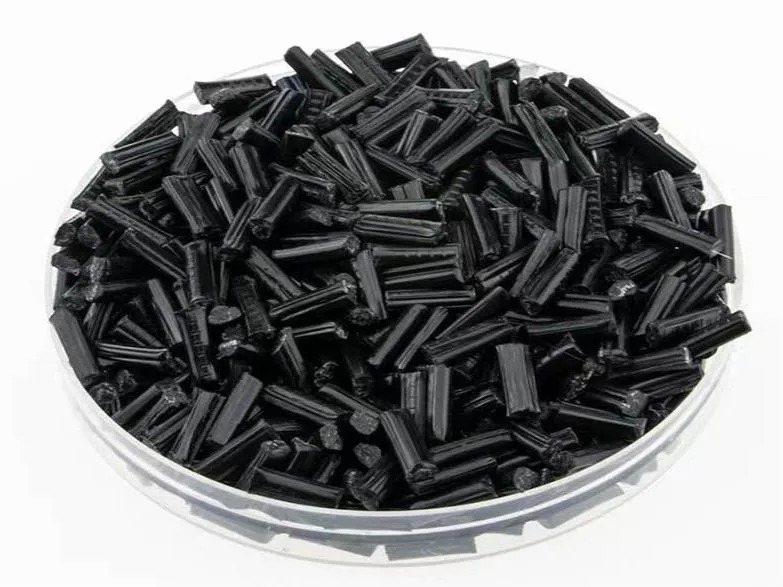
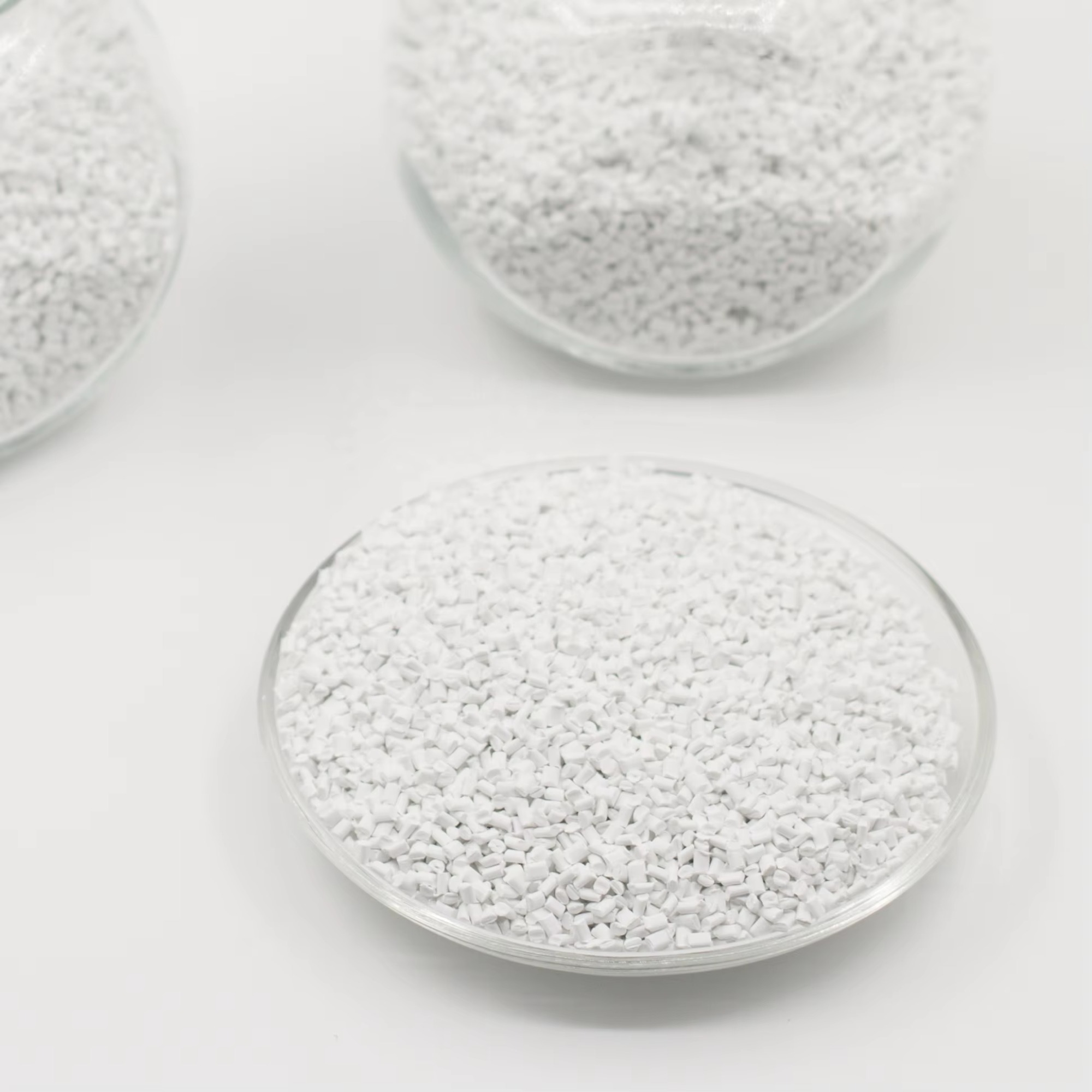
PA66 GF35 is a special plastic. It has two parts. The first part is nylon (PA66). The second part is glass. The 35 means it has 35% glass in it. The glass makes the plastic stronger.
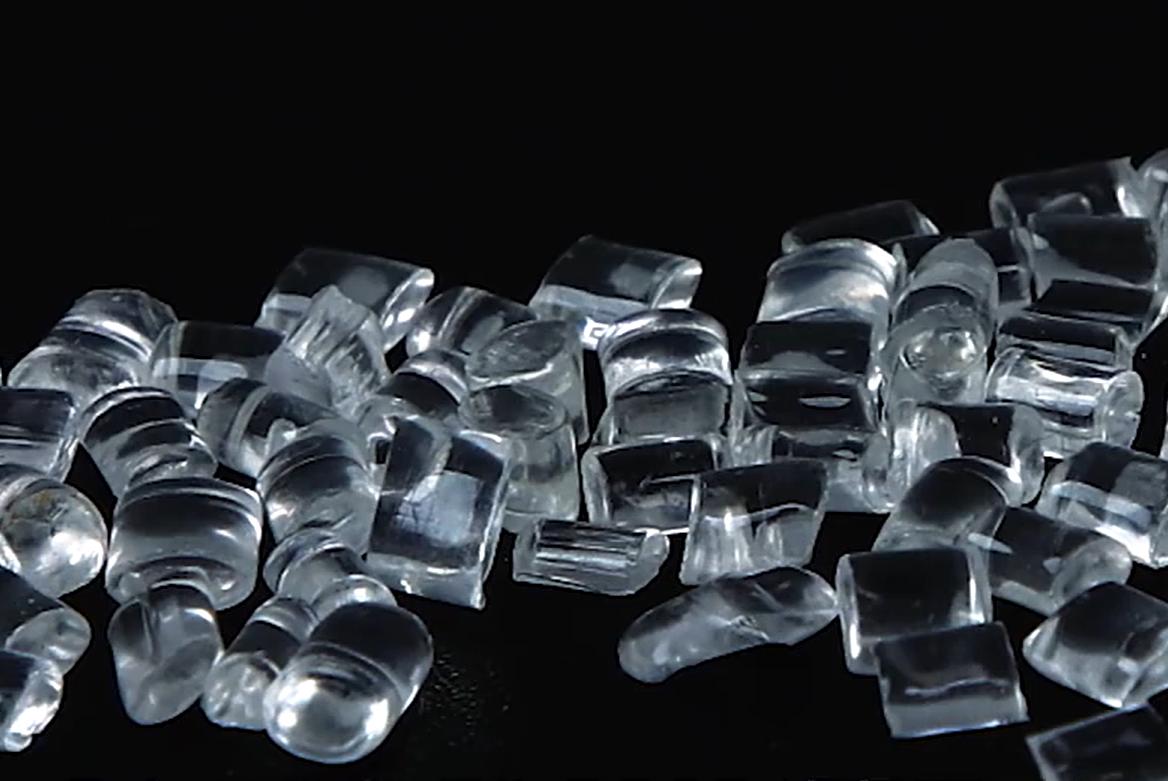
Where is Glass Fiber Reinforced PA612 used?
Glass Fiber Reinforced PA612 is a strong plastic. It is made with PA612 (also called Polyamide 612) mixed with glass fibers. The glass makes the plastic stronger. It also helps it not melt in hot places. This plastic does not soak up water like other plastics.
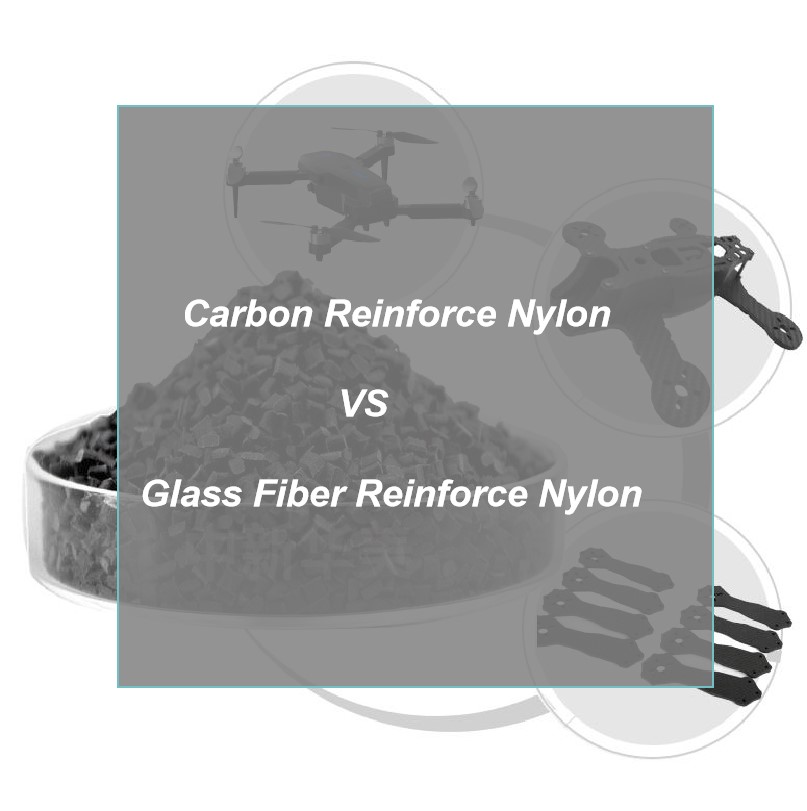
what is the differences of Carbon Fiber Reinforced Nylon and Glass Fiber Reinforced Nylon?
What Is Nylon 48% Glass Fiber?
Nylon 48% glass fiber is a strong mix. It has nylon and glass bits. The nylon bends. The glass makes it tough. This mix is perfect for umbrella ribs.
Carbon Fiber Reinforced Plastic Ratio: Impact Analysis on Material Properties
What Is Nylon 48% Glass Fiber?
Nylon 48% glass fiber is a strong mix. It has nylon and glass bits. The nylon bends. The glass makes it tough. This mix is perfect for umbrella ribs.

Nylon 6 vs. Nylon 66 What’s the Difference?
What Are These Plastic Things?
Nylon 6 and Nylon 66 are strong plastics. Many things we use every day have these plastics in them. They are both in the polyamide family. That means they are made of the same kind of stuff.
Let’s look at what makes them the same and what makes them different.
Carbon Fiber Reinforced Plastic Ratio: Impact Analysis on Material Properties
What Is Nylon 48% Glass Fiber?
Nylon 48% glass fiber is a strong mix. It has nylon and glass bits. The nylon bends. The glass makes it tough. This mix is perfect for umbrella ribs.
what is the differences of Carbon Fiber Reinforced Nylon and Glass Fiber Reinforced Nylon?
What Is Nylon 48% Glass Fiber?
Nylon 48% glass fiber is a strong mix. It has nylon and glass bits. The nylon bends. The glass makes it tough. This mix is perfect for umbrella ribs.
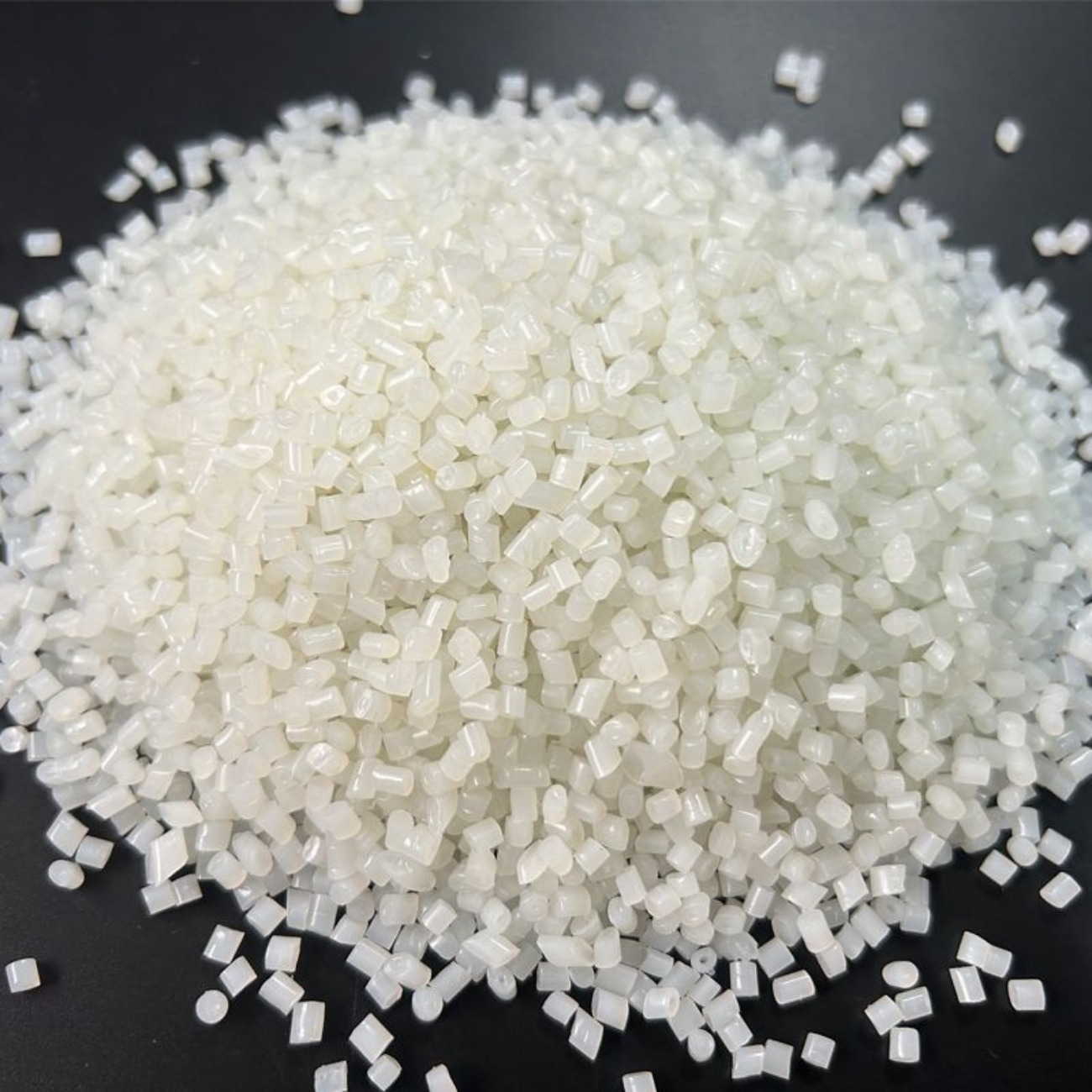
What is the Properties and Application of Antistatic Nylon?
Antistatic nylonis a special plastic. It stops static. Static is the zap you feel sometimes. This plastic is very strong. It is used in many things we see every .